
The complete guide
A Practical Guide to Choosing White Muslin Fabric
A plain fabric can solve a lot of small project problems
Sometimes the missing part of a project is not a special tool or a complex pattern. It is a simple piece of cloth. You might need a base for stitching, material for a small decor idea, or cotton cloth for a straining task.
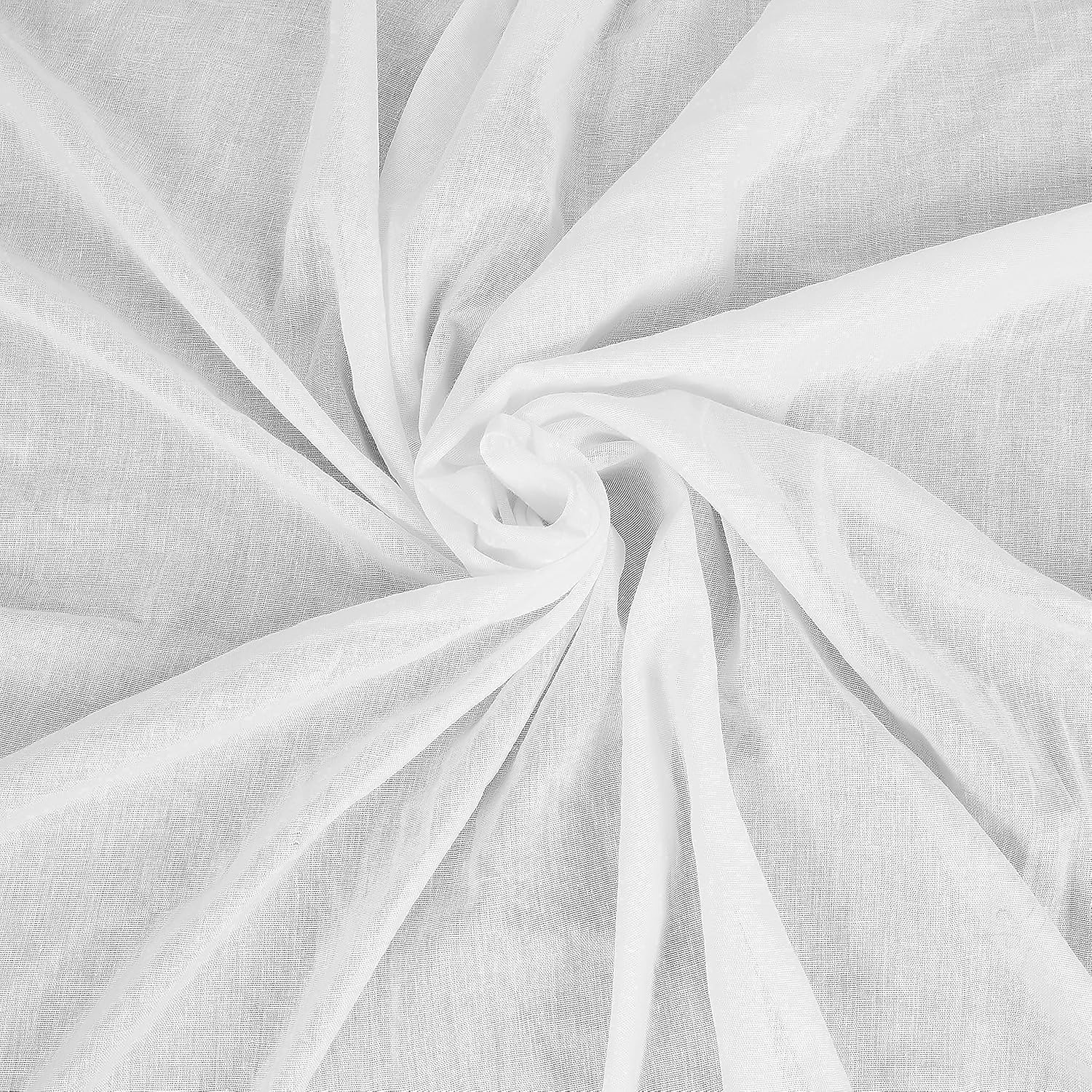
White muslin fabric is worth considering when you want a plain surface without a print. This item is listed as 100% cotton, with a plain weave and a white colour. The maker describes it for sewing, quilting, embroidery and several household uses.
There is one important detail to settle first.
What this muslin cloth offers
The appeal of this cloth starts with its simple construction. Plain weave is a basic woven structure, with threads crossing over and under each other. Here, the maker describes the fabric as Grade 90 cheesecloth and gives a weave count of 54 x 42 threads per inch.
Those details help you compare listings, but they do not answer every question about how the cloth will behave. Drape, thickness and the look of stitches are still worth checking on the actual fabric.
The selected colour is white, and the pattern is solid. That makes it an option for projects where you want the fabric itself to stay visually quiet. It is not a printed quilting cotton or a finished household cloth with a decorative design.
The item is also listed as lightweight.
Match the cloth to the job
A long list of possible uses can be helpful, but it should not replace a project check. Fabric that works for a loose decorative shape may not meet the needs of a closely fitted pattern. The same applies to different stitching methods.
For sewing, think about the finished shape and the strain it will face. A small fabric detail asks less of its base material than a heavily handled item. For embroidery, the needle, thread and stitch density all matter.
The maker suggests this muslin craft fabric for embroidery, quilting and punch needle work. Treat that as a starting point, not a promise that every tool and pattern will work equally well.
A small test can save a lot of time. Try the stitch, seam or gathering method on an offcut before you commit the main piece. Look at the result in normal light and handle it as you would the finished project.
Read the measurements before planning your cuts
When buying muslin fabric by the metre, it is easy to focus on length and overlook width. Both measurements matter. A one-metre length may suit your plan only if the width is enough to fit the pattern pieces.
The maker gives a one-metre item length. It also lists dimensions of 137.2 x 106.7 cm, while another statement describes a width of 157.5 cm.
If you are making a fitted piece, ask for the usable length and width before buying. Also check whether the quoted size includes finished edges.
A paper layout can help once the dimensions are known. Arrange your pattern pieces within the confirmed area and leave room for the finishing your design needs.
Choosing muslin for embroidery and quilting
If you are comparing muslin for embroidery, begin with the demands of your design. Fine outlines, dense filled areas and open stitching place different demands on a fabric base. Your thread choice matters too.
Test a few stitches before starting. Check whether the cloth holds the thread as you want and whether the surrounding area changes shape. If you use a hoop, assess the fabric in the hoop rather than judging it loose in your hand.
For quilting muslin fabric, follow your pattern's material needs. The maker lists quilting as a use, but this does not establish that the cloth matches every quilt design or every other cotton in your project.
Think about how the finished work will be washed as well. This fabric carries a hand-wash-only instruction. If the rest of your project needs a different care routine, resolve that mismatch before sewing the pieces together.
Using cheesecloth for kitchen tasks
The maker lists straining, cheese making and baking among the uses for this cheesecloth fabric. Each task needs its own checks.
For straining, consider what you want to pass through the cloth and what you want it to hold back. No filtration size is stated. A weave description alone cannot promise a particular result with every liquid or ingredient.
If you need cheese making cloth, follow your recipe's guidance and confirm any food-contact requirements that apply. The maker does not provide food-contact certification. A suggested kitchen use is not the same thing as documented certification.
Baking also needs care. No temperature limit or direct-heat instructions are supplied. Do not assume a cloth described for baking can go into an oven or touch a hot surface.
Keep kitchen pieces separate from craft and cleaning cloths. Once fabric has been used with paint, glue or household cleaners, do not assume washing makes it suitable for food use again.
Working with a white finish
White cotton fabric offers a plain starting point, but the word “white” has a limited meaning. It does not establish organic status, chemical testing or suitability for sensitive skin.
Choose it because its listed finish fits your project, not because of claims the maker does not make. There is no organic certification or skin-safety test included here.
For white fabric for decor, compare the cloth with the other materials in your space. Check its appearance in the light where the finished item will sit. A product image is useful for an overview, but it cannot settle every question about colour and texture.
If you plan to dye it, test an offcut first. The maker gives no dyeing instructions or promised colour results. Follow the dye maker's guidance for cotton rather than assuming a result from the fabric name.
Prepare gently before measuring
A little preparation can make cutting less uncertain. Inspect the piece when it arrives and check its size before making any permanent changes. If it does not match what you confirmed, contact us before cutting or washing it.
For a project that will later be washed, consider a gentle hand wash before final measuring. The maker does not give a shrinkage percentage, so there is no reliable allowance to apply in advance.
Let the cloth dry, then measure again. Keep your pattern and planned seam allowances nearby so you can check the layout against the actual piece.
The maker describes hemmed edges, but any new cuts will need their own finishing decision. Plan that step around your project rather than assuming the supplied edge finish will remain on every piece.
Care that fits the stated instructions
The care direction is clear: hand wash only. Machine washing and tumble drying are not supported by the information supplied.
Use gentle handling and rinse thoroughly. Let the cloth dry fully before folding it away. Store it somewhere clean and dry, especially if you have set aside a piece for kitchen use.
Avoid guessing at ironing temperatures, bleach treatments or other care settings. Those details are not provided. If your finished design needs a specific treatment, confirm that it is suitable before you begin.
Care is also part of choosing the fabric. A material can look right for a project yet need more careful washing than the finished item allows. It is better to spot that issue while planning than after the sewing is done.
The short version
This cloth is a lightweight, white muslin listed as 100% cotton. Its plain weave and suggested uses make it a candidate for sewing, embroidery, quilting and selected household tasks.
Choose it by the needs of your project. Check the weave with a small test, follow the hand-wash-only care instruction and keep kitchen cloth separate from craft materials.
Once that is clear, you can plan your cuts with much more confidence.