

The complete guide
A Buyer's Guide to Neon Green Nylon Spandex Fabric
Start with the garment you want to make
A stretch sewing project can run into trouble before the first seam. The fabric might not stretch enough for the pattern, a long panel might not fit the cut, or the colour might look different beside your other materials. A few checks before ordering can save a lot of work later.
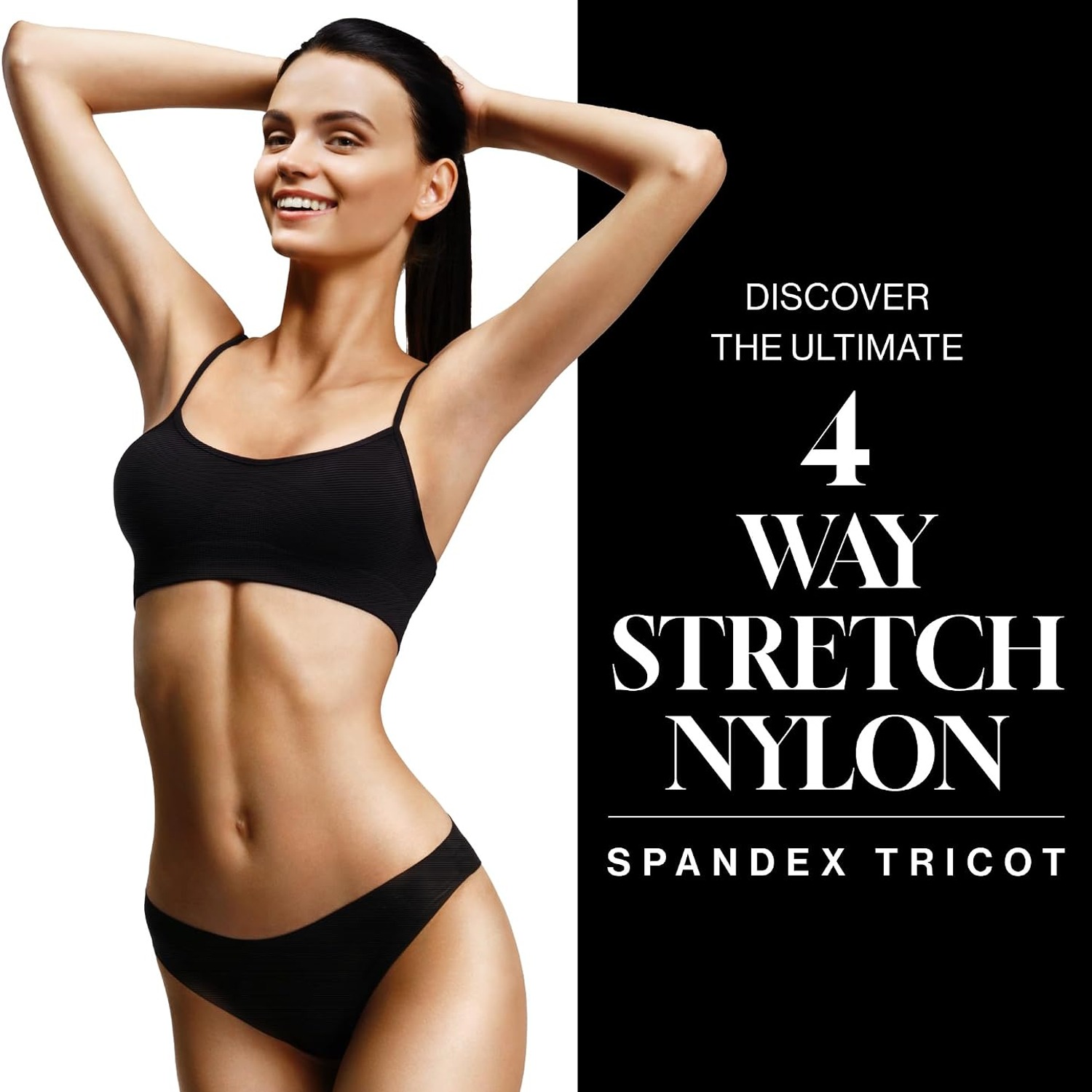
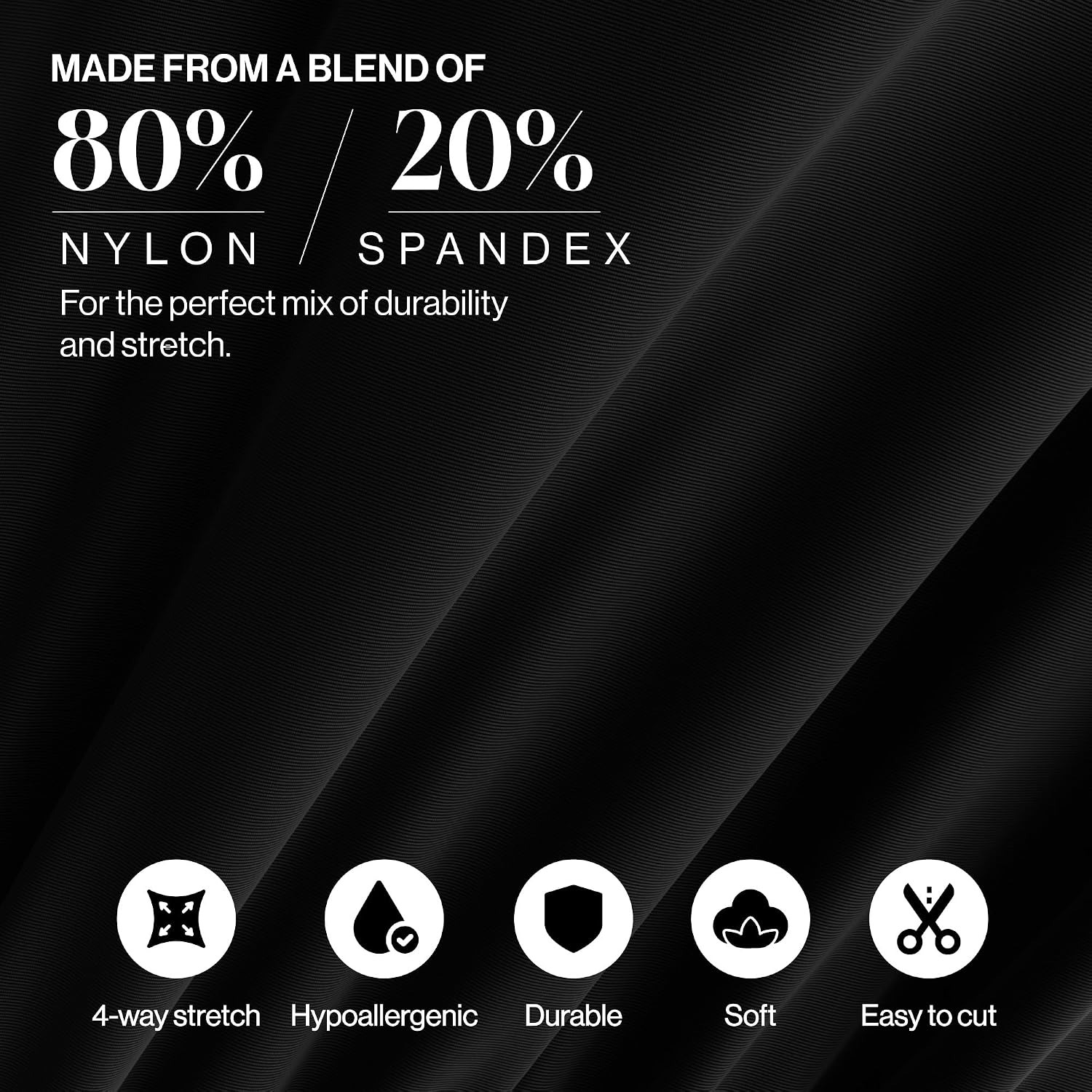
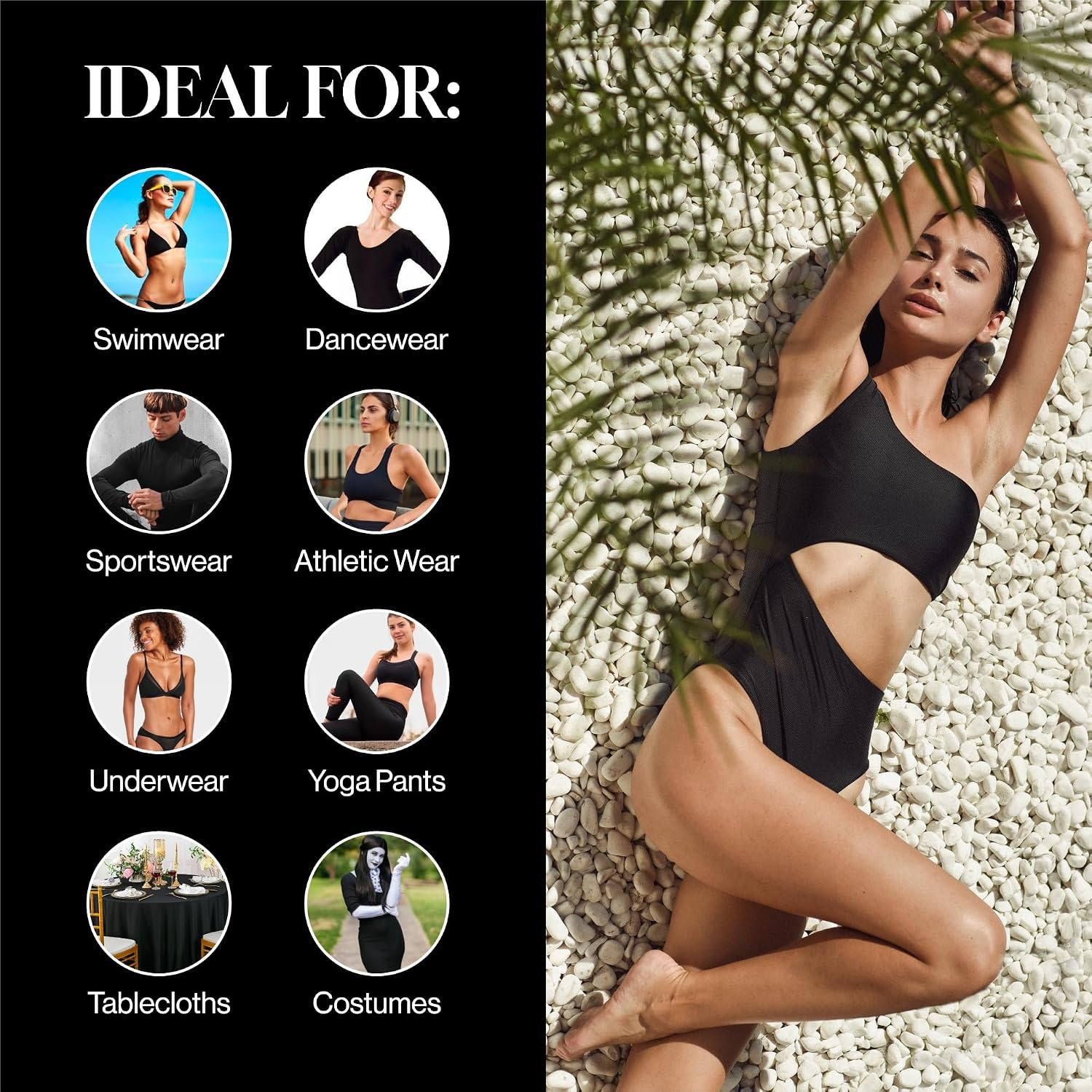
neon green nylon spandex fabric is an option for projects that call for a bright, solid-colour stretch material. It has a matte tricot finish, a listed blend of 80% nylon and 20% spandex, and four-way stretch. The maker suggests it for swimwear, dancewear, activewear and yoga wear.
The important practical detail is the format. This is precut stretch fabric supplied in individual one-yard units, not continuous yardage. Start with a pattern and a cutting plan, then decide whether those separate pieces suit the job.
Understand what four-way stretch means
Four-way stretch fabric extends along its length and across its width. For fitted clothing, that matters because the body moves in more than one direction. Your pattern may depend on both directions having enough give for the intended fit.
Still, four-way stretch is not a measurement of how far a fabric stretches. The maker does not supply a stretch percentage or tested recovery figure. Two materials described with the same term may behave differently when pulled and released.
Read the pattern's stretch guide before cutting. If it includes a test scale, use that to check the actual piece without forcing it. Let the sample relax afterward and look at whether it returns to its original shape. The aim is to match the fabric to the pattern, rather than hoping a tight garment will stretch enough.
Decide whether neon green fits your design
Neon green is a deliberate colour choice. It can be the main colour of a swimsuit, a panel in dancewear or a small contrast detail in a larger garment. The listed solid pattern leaves the shape of your design easy to see.
The finish is described as matte rather than glossy. That is useful when comparing this matte tricot fabric with shiny costume materials, but it does not tell you everything about its appearance under different lights.
If you need an exact match, inspect the fabric beside your other materials in person. A screen image is a starting point, not a guarantee of a colour match. Check thread, elastic and lining at the same time. A close match that looks right on its own may look quite different beside a bright green outer layer.
Plan around separate one-yard pieces
The one-yard format is worth understanding before you choose a quantity. Each unit is an individual precut. Ordering more units gives you more separate pieces, not a longer unbroken piece.
This can suit small garments, colour-blocked designs and projects made from several shorter panels. It can be less convenient for a long garment section that must be cut in one piece. Do not add together the total yardage and assume every pattern piece will fit.
Lay out your paper pattern within a one-yard area before buying. Include seam allowances if they are not already part of the pattern. Keep grain and stretch direction in mind, and check any pieces that must be placed on a fold.
For nylon spandex by the yard, the cut format can matter as much as the total amount. A little planning makes that difference clear.
Check the width information carefully
The maker gives a nominal width of 58/60 inches, approximately 150 cm. The item details separately list dimensions of 152.4 cm L x 91.4 cm W. Those entries use different presentations, so avoid building a very tight cutting plan around an assumed orientation.
If a pattern piece only just fits your expected width, confirm the usable measurements before ordering. Once the fabric arrives, measure the actual piece before cutting. Also check whether the edges can be included in your layout or need to be left outside it.
The listed item weight is 0.48 kg. That is not a fabric weight per square metre. Without a GSM figure, it is better to assess the actual cloth than to use the item weight to predict its thickness or drape.
Choosing it for swimwear
Swimwear is a suggested use, but a successful swimsuit depends on more than the fibre blend. The pattern, lining, elastic and seam construction all affect the result. Use a pattern intended for stretch swimwear and check its material requirements closely.
Coverage deserves particular attention. The maker does not state whether the fabric is opaque when stretched or wet. Test the material under the conditions that matter for your design before deciding whether it needs lining.
The maker also suggests it as swimsuit lining fabric. That does not mean it will suit every outer layer. Check the two fabrics together for bulk and stretch.
Chlorine resistance and a UPF rating are not given by the maker. If you need those tested properties, this listing does not establish them. The words “swimwear fabric” alone should not be taken as proof of either.
Choosing it for activewear and dancewear
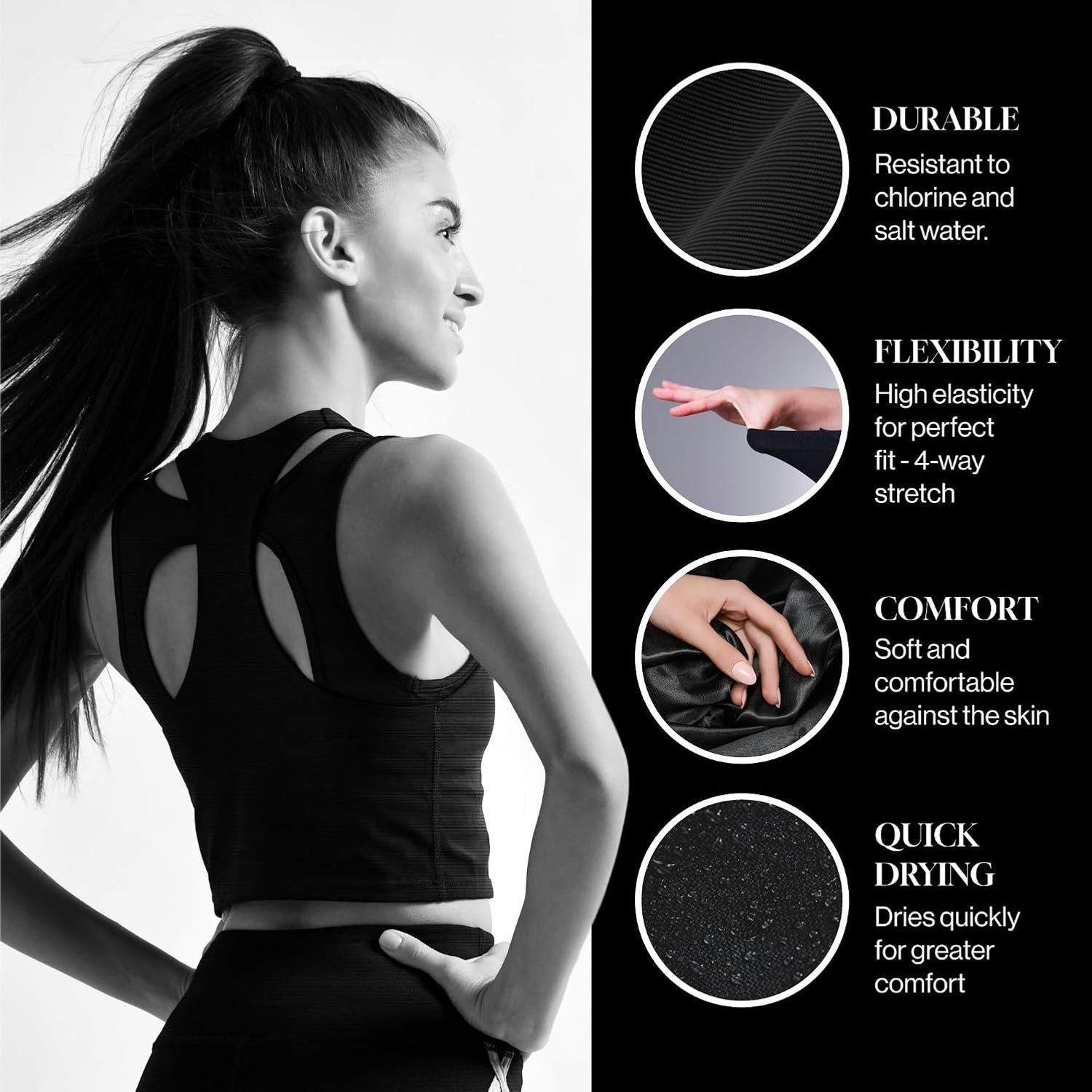
Activewear sewing fabric needs to suit the movement and coverage of the finished garment. This nylon spandex blend is listed for sportswear, yoga wear and leggings, but the maker does not provide measured breathability or moisture-wicking results.
For leggings fabric, test coverage at the amount of stretch the garment will place on it. A piece that looks opaque while lying flat may look different when pulled over a knee or hip. A contrasting background can help you spot changes before cutting.
For dancewear fabric or a stretch costume fabric, think about the whole outfit. Will it be worn alone or over another layer? Does the pattern need strong recovery at the neckline or leg openings? Test those parts of the design rather than judging only by the fabric's softness or colour.
Make a small sewing test first
A sample seam is a useful first step, even if you have sewn stretch fabrics before. It lets you check your setup without risking the main garment pieces.
Consult your sewing machine manual for suitable needles and stretch-capable stitches. Then sew an offcut using the same layers you expect in the garment. Gently stretch the seam and look for thread breakage, skipped stitches or puckering.
If you are adding elastic or lining, include those in the test. A seam that works through one layer may behave differently through several. Adjust the setup before moving on.
Cut with the fabric supported on a flat surface and avoid pulling it out of shape. Follow the pattern's direction marks. Four-way stretch gives flexibility, but it is not a reason to ignore the planned layout.
Care for the fabric before and after sewing
The supplied care guidance is cold hand washing. It also advises against bleach, soaking and dry cleaning. Use that guidance for preparation as well as for the finished item.
A gentle prewash can help you see how the piece behaves before you spend time sewing it. The maker gives no shrinkage rate, so check the measurements again afterward rather than assuming they will be unchanged.
Machine washing, tumble drying and an ironing temperature are not specified. Do not guess at a hot setting to speed up the job. If your sewing method requires pressing, seek suitable guidance and test an offcut before touching the main piece.
Keep a useful scrap after cutting. It can help with later stitch tests or care checks without putting the finished garment at risk.
Check the order before making permanent changes
When your fabric arrives, inspect it while it is still uncut and unwashed. Check the colour, piece size and general condition. Compare it with your pattern requirements and any other fabrics you plan to use.
This is also the time to resolve doubts about the cut format. Do not start cutting a long panel and hope the remaining fabric will make up the difference. Measure first and revise the layout if needed.
Delivery estimates and returns conditions depend on our delivery and returns pages and destination. Check those details before buying, especially if the project has a deadline. If something is not right, contact us before washing or altering the piece.
The short version
neon green dressmaking fabric offers a matte finish, a listed 80% nylon and 20% spandex blend, and stretch in both directions. It is a candidate for bright swimwear, activewear and dancewear projects when its actual stretch and coverage match the pattern.
The key buying check is simple. Make sure your pattern fits separate one-yard cuts. Confirm any critical measurements, test the fabric before committing to the garment, and follow the cold hand-wash guidance. That gives your sewing project a more reliable starting point.