
The complete guide
A Practical Guide to Choosing Cotton Fabric Squares for Patchwork
Start with the project, not just the print
A few appealing prints can spark a sewing idea. Turning them into something useful takes a little more planning. Small fabric packs solve one common problem: finding several patterns without buying a full length of each. They also create a different question. Will the cuts be large enough for the pattern you have in mind?
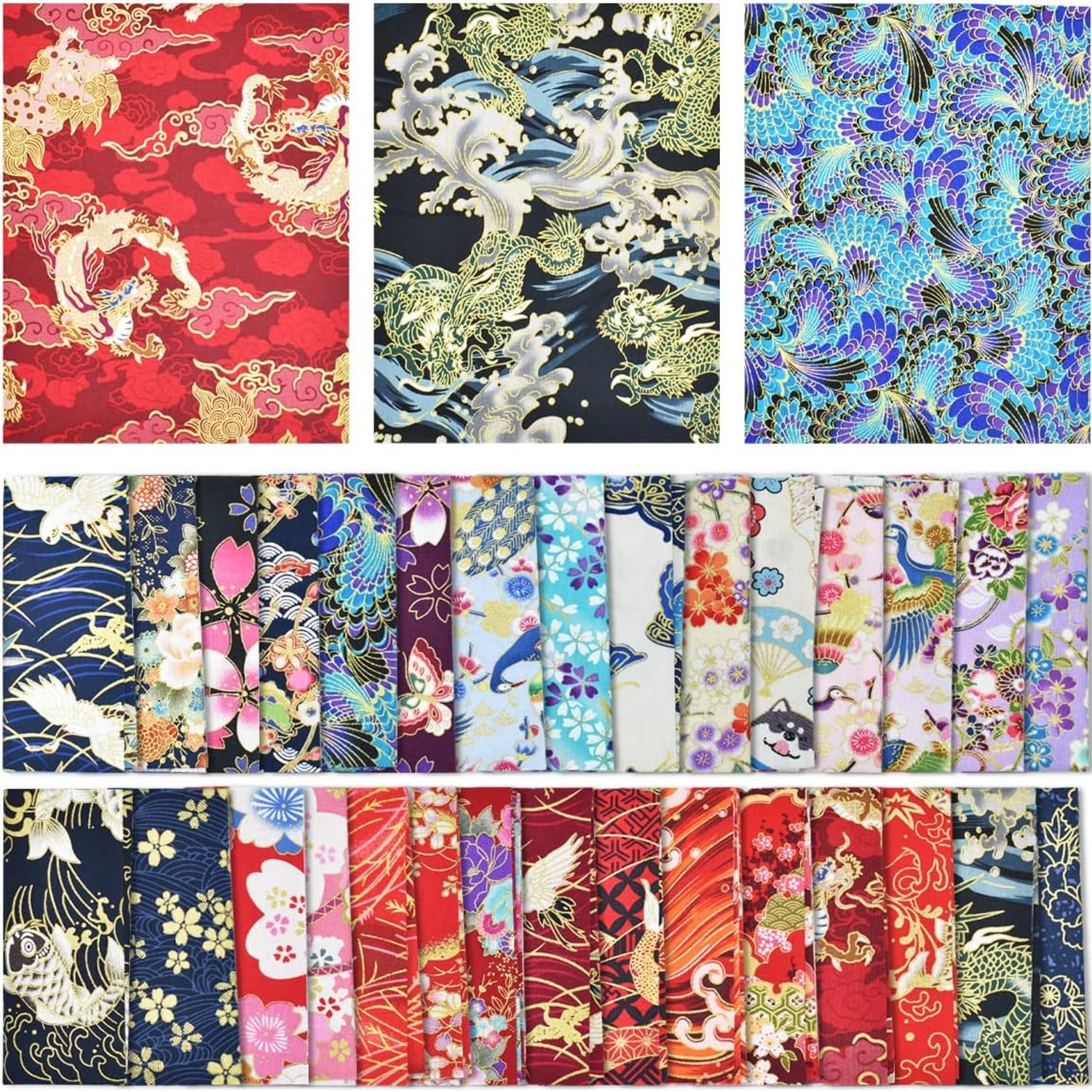
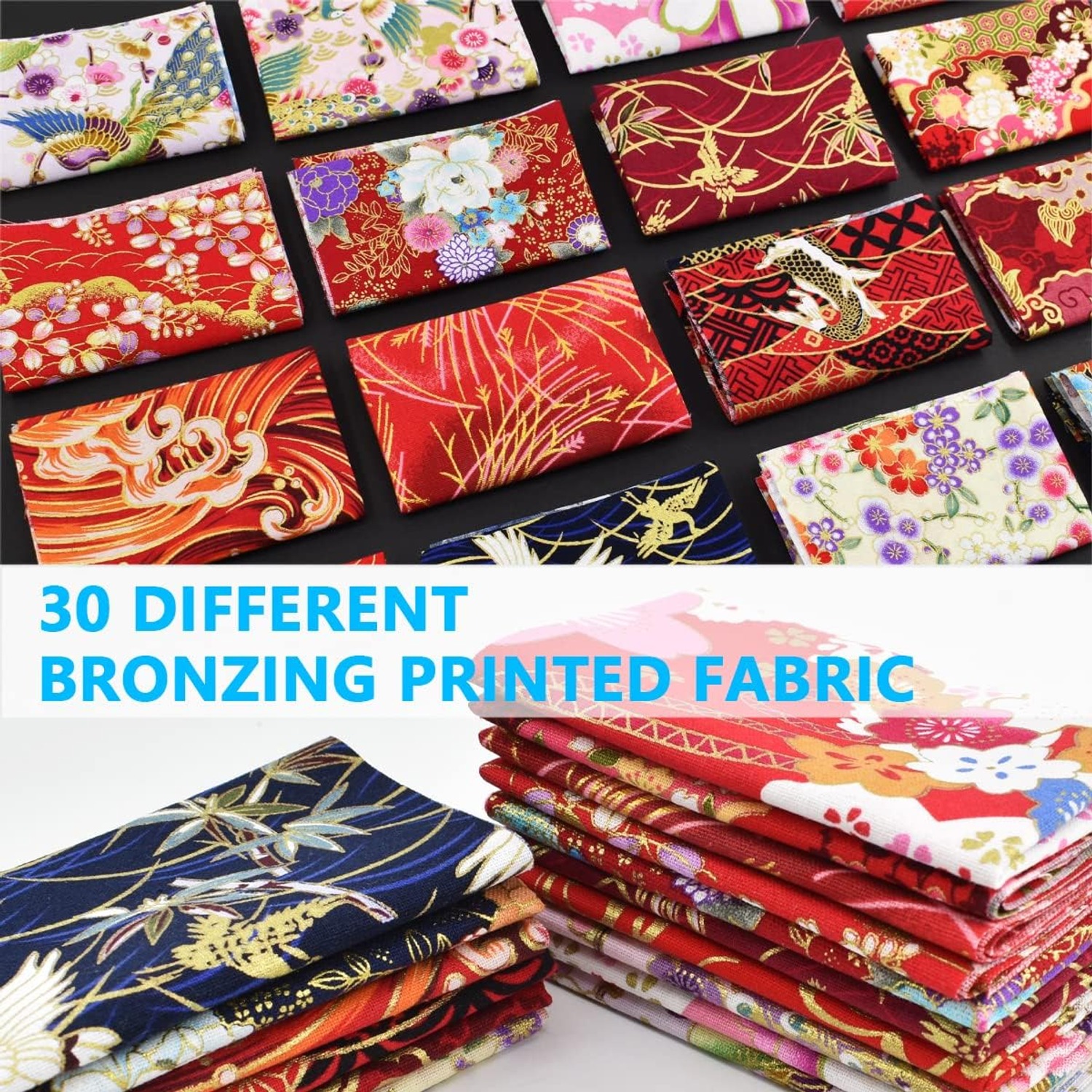
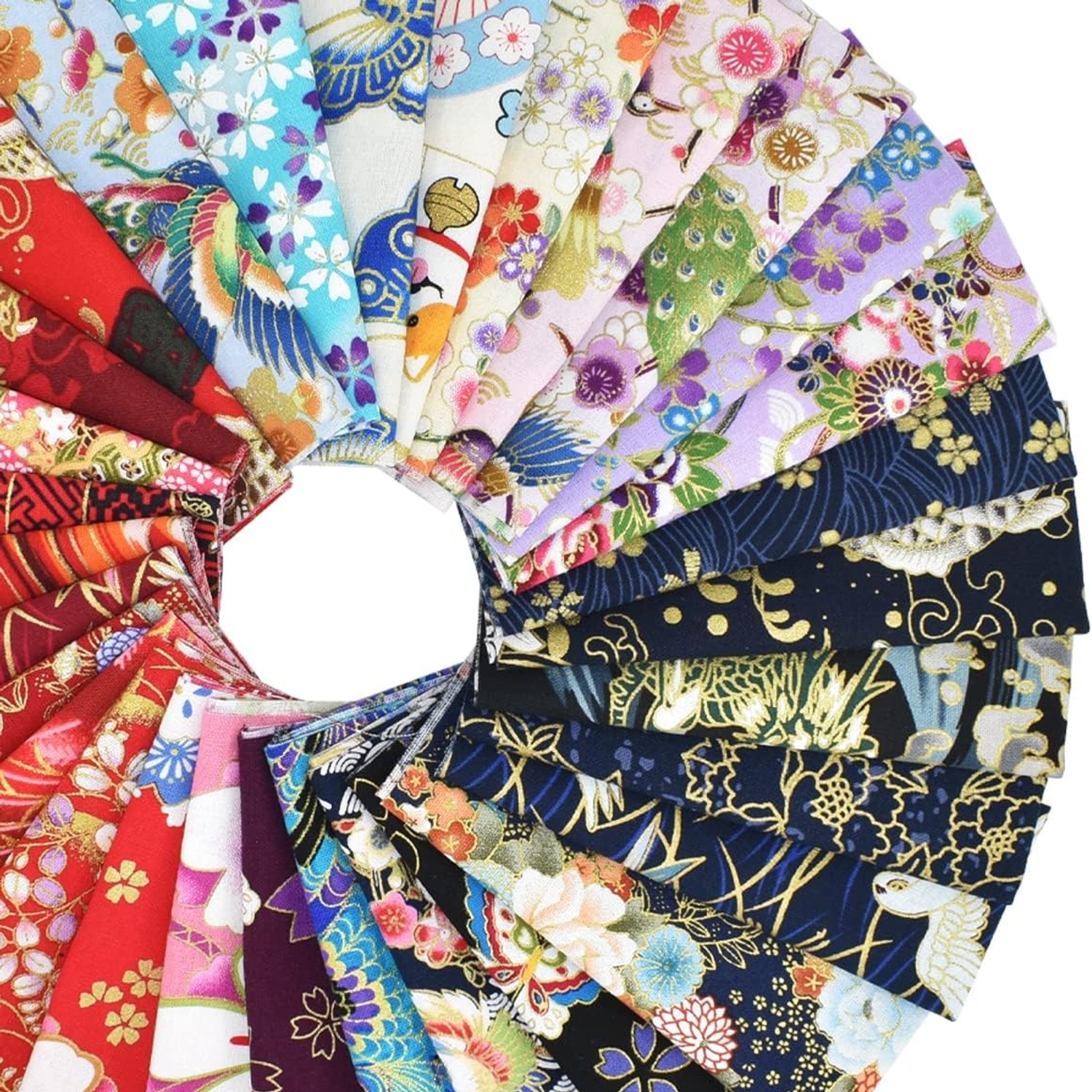
This pack contains 30 cotton pieces in Japanese style prints. It suits patchwork, appliqué and small sewing projects where variety matters more than having one large sheet of fabric. Before buying, compare the piece measurements with your cutting list. That simple check helps avoid a project that runs short halfway through.
Understand what “fabric squares” means here
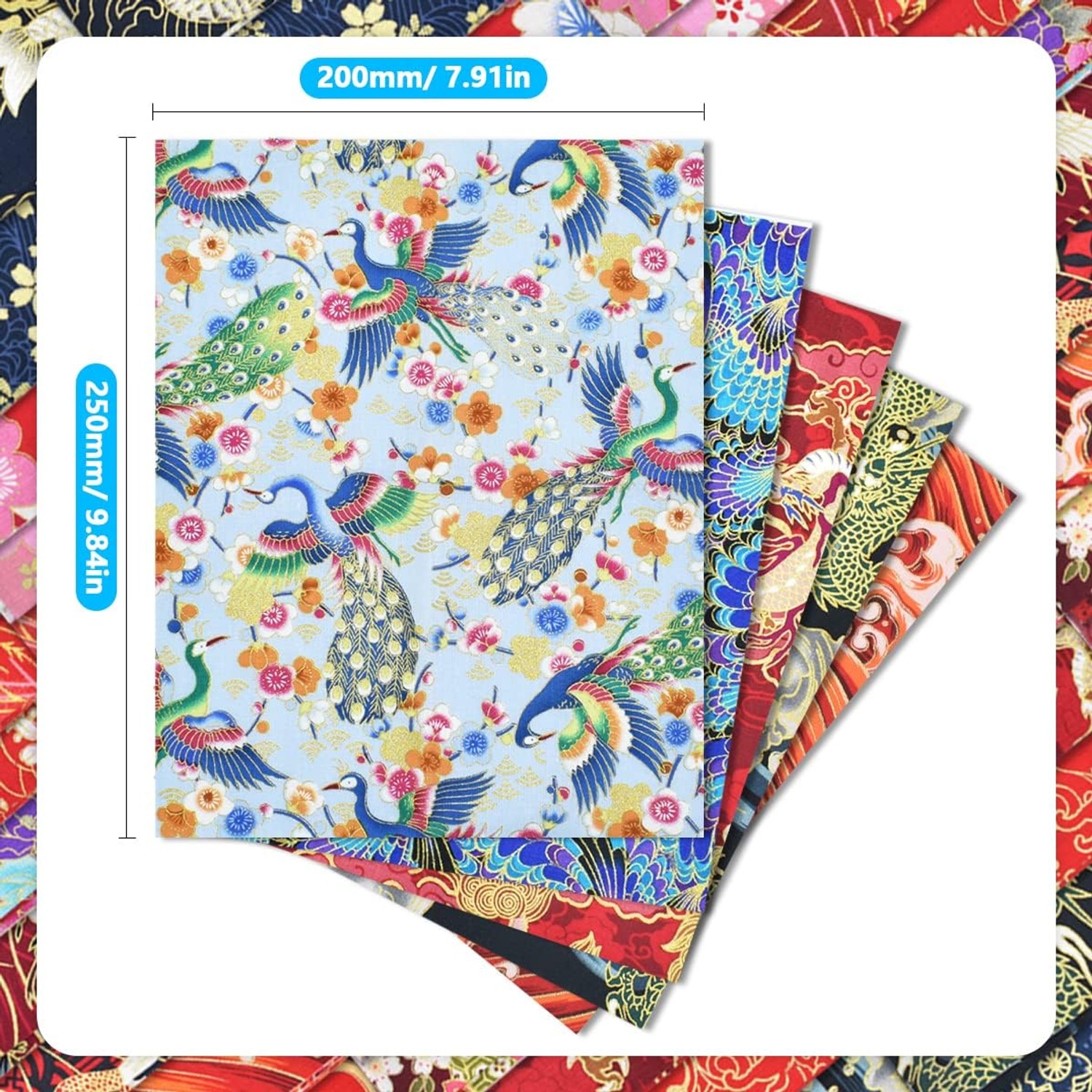
The product name uses cotton fabric squares, but the stated cuts are rectangular. The maker describes them as approximately 20 x 25 cm, or 8 x 10 inches. The product details also record 25.4 x 20.3 cm. Treat those as approximate measurements, not a promise of perfectly identical cuts.
The maker also uses fat quarter wording. For planning purposes, rely on the measurements instead. These pieces are smaller than standard quilting fat quarters, so a pattern written for fat quarters may not work without changes.
Manual trimming can leave uneven or raw edges. Measure the pieces when they arrive and check how much fabric remains after squaring them up. Your usable cutting area matters more than the name on the pack.
How the bundle works in a sewing project
A patchwork fabric pack gives you separate printed pieces to arrange, trim and join. You might turn several cuts into a pieced panel, use one print as a decorative pocket, or cut small motifs for appliqué. The fabric is a starting material rather than a finished project.
The pack does not list sewing tools, thread, backing or fastenings as included. A cosmetic bag pattern may need a zip and lining. A quilt will need other layers. Work through the whole supplies list before starting, especially if the finished item must be ready for a gift date.
Keep a little fabric aside for test stitching. It is easier to adjust tension or practise a seam on an offcut than to unpick a carefully chosen patch.
Decide whether the style suits your idea
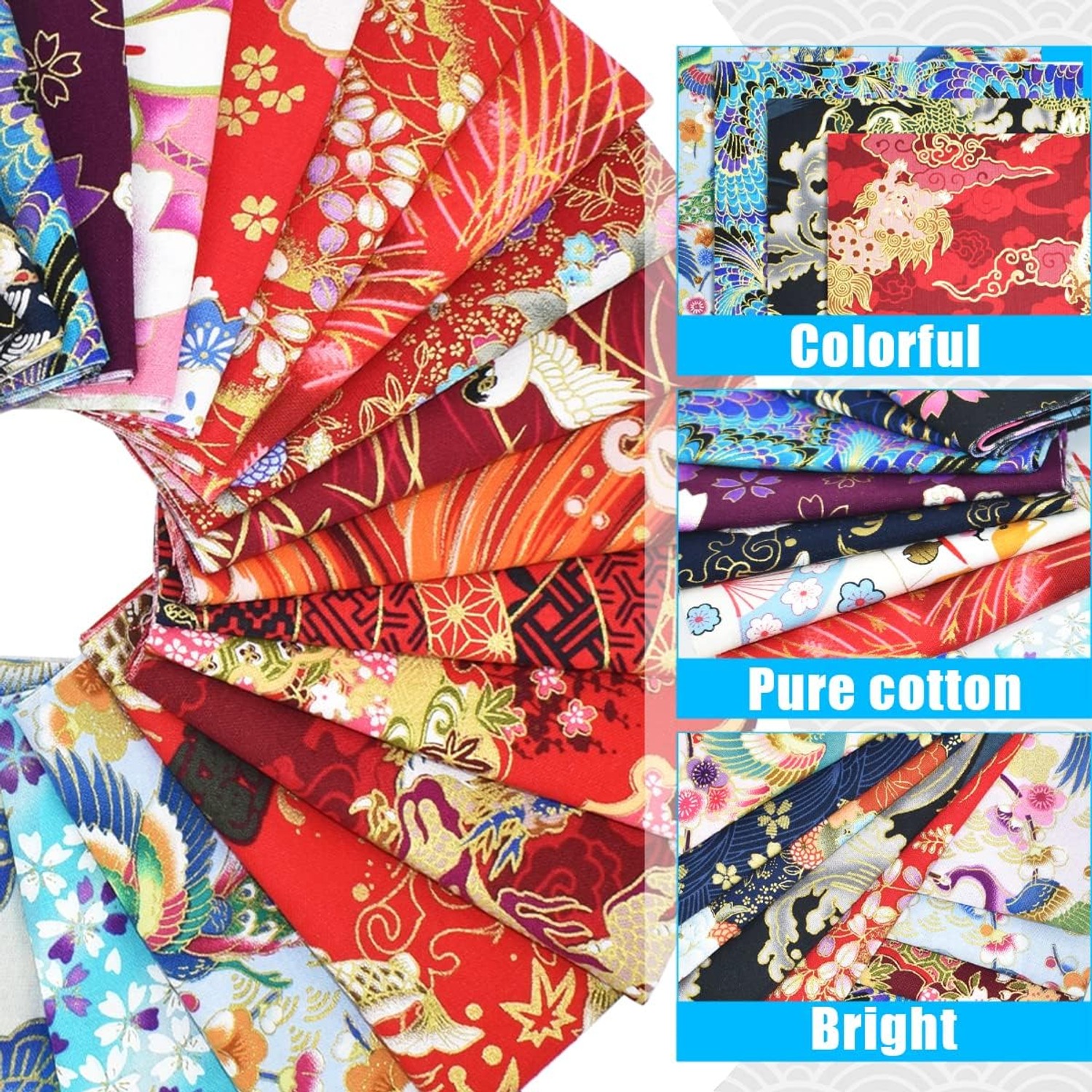
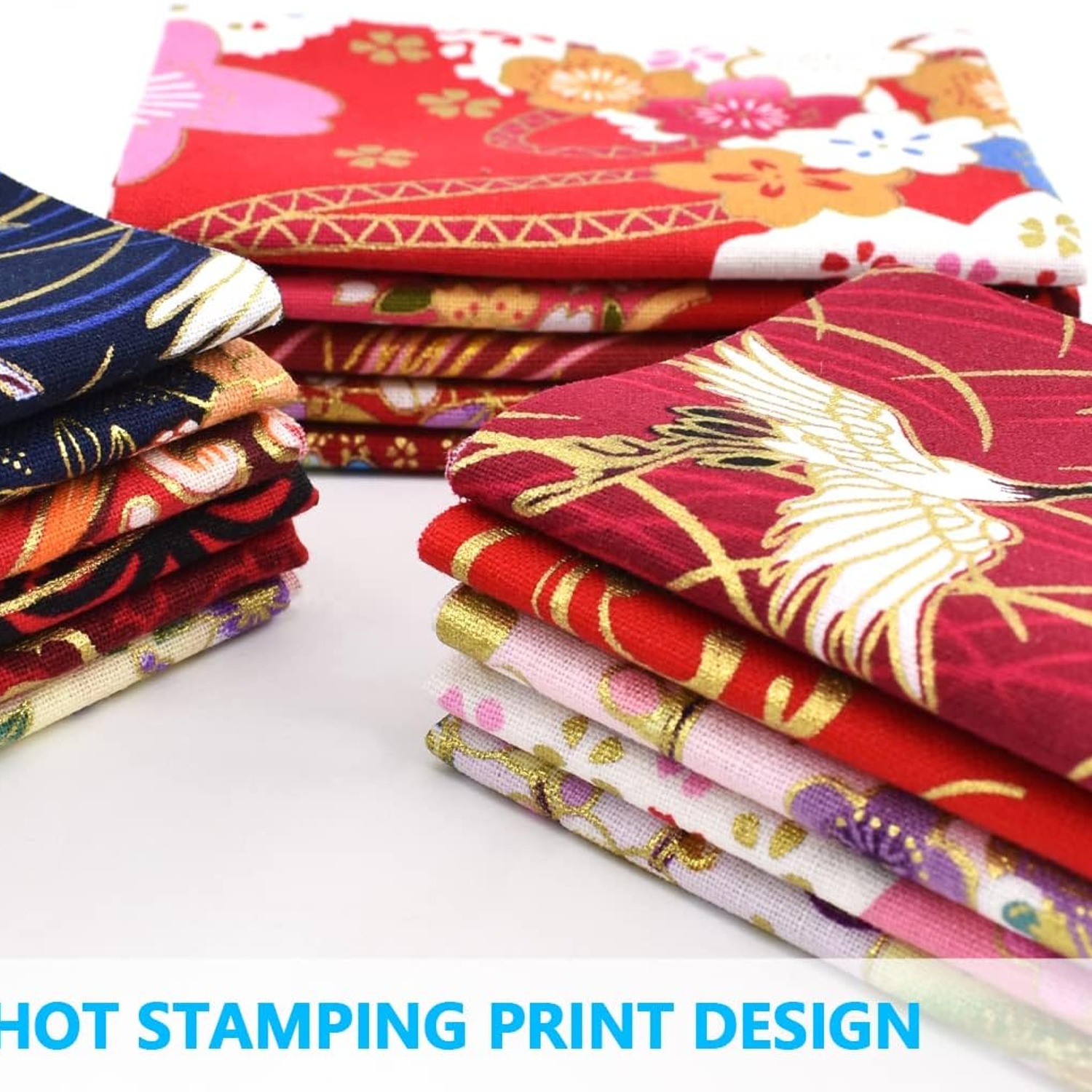
This Japanese style cotton fabric is described as Retro Style, with varied patterns and colours. The maker also describes a bronzing process that adds sparkle to parts of the designs. Think about that decorative finish when choosing the project, rather than treating the pack as plain everyday cotton.
Look at the images for the overall look. Consider whether you want the prints to stand out together or act as smaller accents beside a plain fabric. A busy patchwork panel can be appealing, but a little visual space may help individual patterns show.
Japanese style refers to the design. It does not confirm Japanese manufacture. Country of origin is not given by the maker by the maker, so do not choose it on that assumption.
Match the cuts to a realistic project
Small pieces are useful for projects built from small sections. Decorative patches, doll details and appliqué shapes are natural places to start. You can also join the cuts to make a larger panel for a bag or cushion.
For a patchwork cushion fabric layout, sketch the panel first. Include the seams between patches, then add the allowance needed around the outside. A panel that looks large enough when loose pieces touch edge to edge will become smaller once it is sewn.
The same applies to a quilt. Thirty pieces give you a selection of prints, not a guaranteed quilt size. Your block design, trimming and added fabric will decide how far the pack goes.
Leave room for seams and trimming
Finished size and cut size are not the same. A patch must include fabric that will sit inside the seam. If your pattern asks for a particular cut size, check that the full shape fits within the usable area of each piece.
Do not plan every cut right against a raw edge. First check the grain, corners and edge shape. If a piece needs straightening, that will reduce the available area.
For repeated shapes, make a paper template and test its placement before cutting. Turn it around to compare layouts, while keeping any directional print in mind. A little time spent here can save a useful strip for another part of the project.
Choose a manageable first layout
If you are new to sewing, a simple arrangement lets you focus on accurate seams. Start with equal-sized patches or a small panel rather than a detailed design with many narrow points. This gives you room to learn how the fabric behaves under your needle.
Lay out your beginner patchwork fabric before stitching. Take a photo once you like the order. It is an easy way to remember where each print belongs when the pieces move from the table to the machine.
You do not need to use every print at once. Choose a smaller group for your first project and keep the rest together. Leftover cotton patchwork pieces can become useful accents later.
Think about print placement
Cutting changes how a pattern looks. A large design may lose its main detail when divided into tiny patches, while a smaller repeat may still read clearly. Inspect each piece before deciding which parts to use.
For fabric for appliqué, place your template over the print and look at what will remain visible. Leave the allowance required by your chosen method. If the shape has a clear top and bottom, check its direction before cutting.
For quilt piecing fabric, spread similar colours across the layout if you want balance. Or group them for a stronger contrast. Neither approach is a rule. The point is to make the choice before the seams make it harder to change.
Check the fabric before committing
The details list cotton with a plain weave, but no fabric weight per square metre or shrinkage rate is supplied. Those missing details matter when matching it with other materials. Test the combination rather than assuming two cotton fabrics will behave the same way.
If your project includes pale lining or backing, check a small offcut for colour transfer before joining everything. If you intend to wash the finished item, test that care method on a sample first.
Also inspect the decorative finish after testing. A printed surface can affect how you choose to clean and press the work. Follow any instructions supplied with the pack where they provide more detail.
Sew a sample before the main piece
A short sample seam gives you useful information. You can see whether the fabric feeds evenly, whether your stitches look right and how the joined layers sit. Change your settings on the sample, not on the most visible part of a gift.
For hand sewing, use the same approach. Try your chosen needle and stitch on an offcut, then check the result from both sides. Keep the test small but representative of the layers in your project.
If you are making a lined item, include the lining in the trial. Fabric for cosmetic bags may be only one part of the finished structure. Let the pattern guide any need for interfacing or extra support.
Care for the fabric and the finished item
The listed care options are hand washing or dry cleaning. The maker does not give a wash temperature, tumble-drying method or ironing setting. Avoid filling those gaps with assumptions based only on the word cotton.
Test before pressing, especially where the bronzing finish is visible. Use an offcut and a pressing cloth to check the result before working on a finished panel. If care instructions arrive with the fabric, keep them with your project notes.
Store unused pieces clean and dry. Keeping the small cuts together makes it easier to find a matching scrap later. Handle raw edges gently so you preserve as much usable fabric as possible.
Buying for a gift or a shared project
A cotton craft fabric bundle can make sense for someone who likes choosing prints and making small items. Check their preferred style first. Someone who works mostly from large dressmaking pieces may have less use for these cuts than a patchwork maker.
If you plan to turn the fabric into handmade gifts, leave time for testing and finishing.
Read the current returns policy before altering the pack. Cutting, washing or sewing may affect the options available under that policy, so confirm any conditions first.
The short version
Choose this quilting fabric bundle for varied Japanese style prints in small cotton cuts. It offers 30 pieces for patchwork, appliqué and decorative sewing, with approximate dimensions of 20 x 25 cm per piece.
Measure for the project you want to make, allow for seams and check the raw edges before cutting. Test cleaning and pressing on an offcut. With those basics covered, you can spend more time choosing a layout and less time solving avoidable sizing problems.