Fabric Shop Company
Company
Shop By Category
T&Cs
Shop Online
  • Width and length on every product page
  • Free tracked Australia-wide delivery over $150
  • 14-day returns

Cotton quilt batting | Quilt wadding | Craft size batting

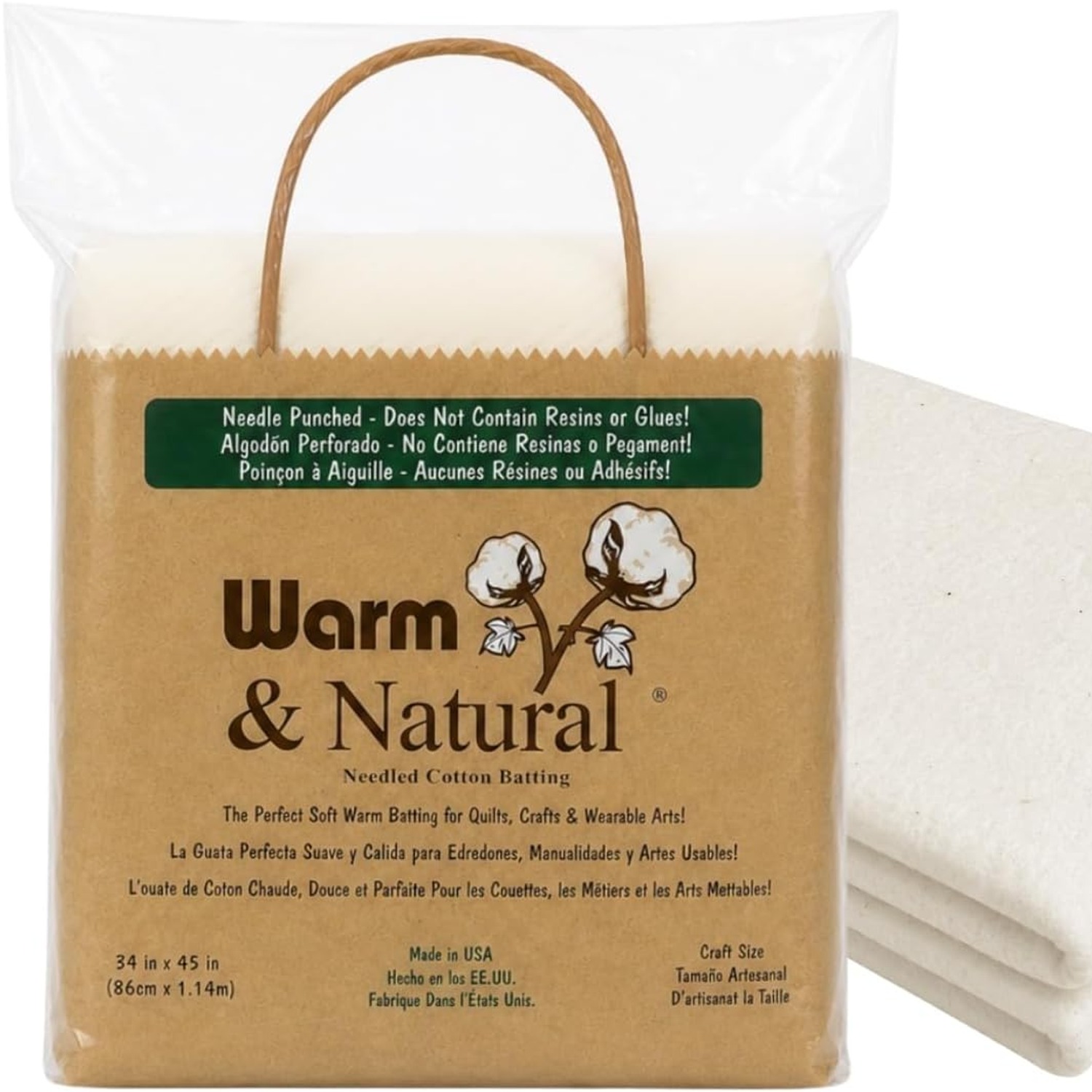
Craft Size Cotton Batting

$56.99 $67.99 Save $11
  • Craft Size Precut
  • Needle Punched Stability
  • Flexible Quilting Layout
  • Wash After Quilting

Price: $56.99 $67.99

  • Free tracked Australia-wide delivery on orders $150+, otherwise a flat $15
  • Pay by card or PayPal, handled by the payment provider
  • 14-day change-of-mind returns from delivery. Conditions and return postage apply. Australian Consumer Law rights are unaffected. Full returns policy
Product specifications
Pack Quantity1
FormPrecut
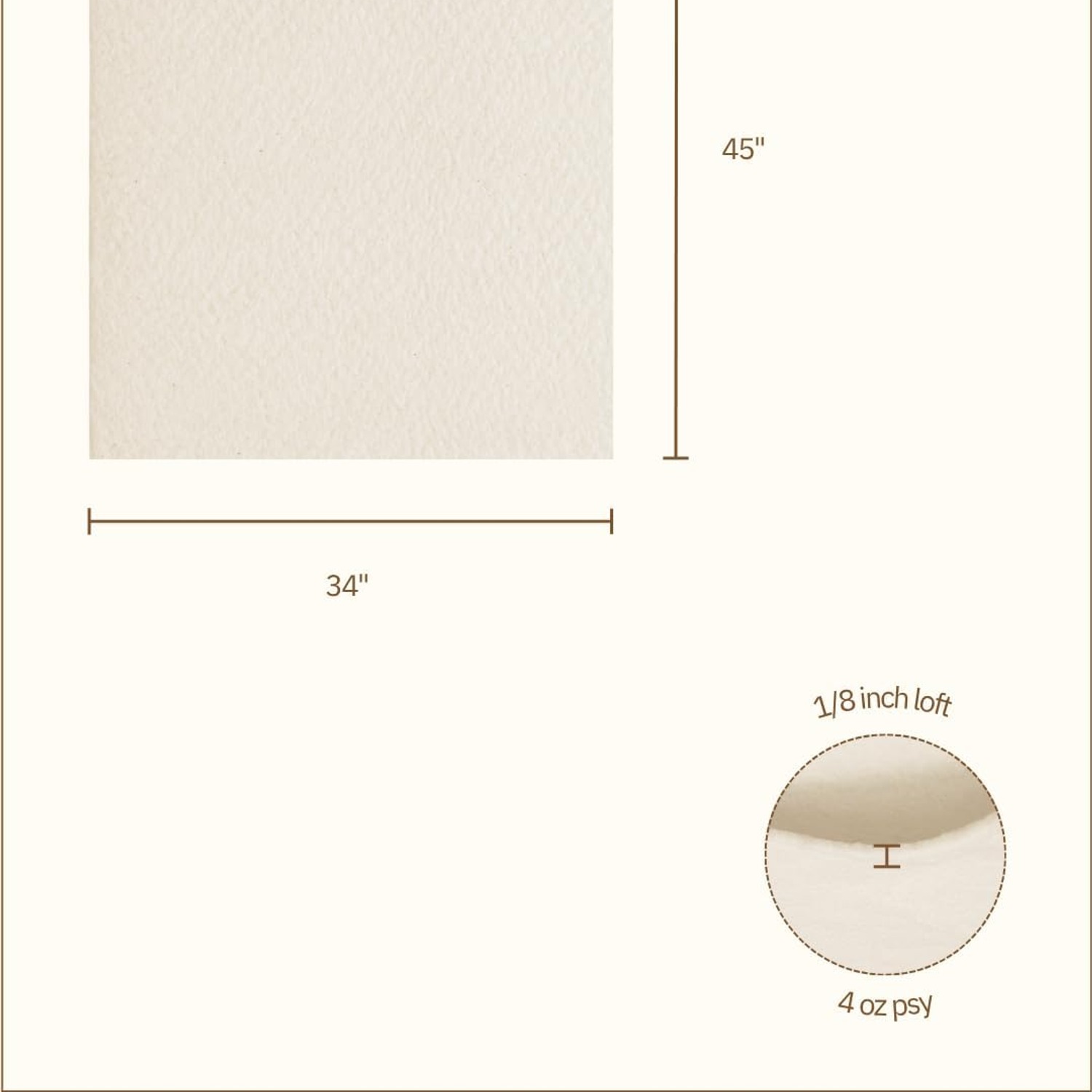
Craft Size34 x 45 inches
Display Dimensions114.3 x 86.4 cm
Listed Area10.39 sq ft
Fibre Composition87.5% cotton and 12.5% polymer fibres
ConstructionNeedle punched through a thin polymer base without glue
Maximum Quilting Spacing10 inches
PrewashingNot required
CareMachine washable after quilting
Country Of ManufactureUSA
Weight0.15 kg
Weight0.15 kg
Shipping & returns

Tracked delivery anywhere in Australia. It is free on orders of $150 or more, and a flat $15 below that.

If it is not right for you, send it back within 14 days of delivery, unwashed, uncut, unused and in its original packaging, and we refund the price you paid, including standard delivery. That is a voluntary policy we offer on top of your legal rights. You cover the cost of returning it unless the item is faulty.

If it arrives faulty, damaged or not as described, we put it right at no cost to you under the Australian Consumer Law and the Competition and Consumer Act 2010, return postage included.

Shipping details · Refunds and returns

Craft Size PrecutA 34 x 45 inch piece for projects that fit within its working area.
Needle Punched StabilityCotton fibres are held through a polymer base without glue.
Flexible Quilting LayoutThe maker allows quilting up to 10 inches apart.
Wash After QuiltingCompleted quilted projects can be machine washed.

Give your next small project a steady foundation with cotton quilt batting.

This craft-size precut combines needle-punched cotton and polymer fibres for a stable layer that is machine washable once quilted.

Plan smaller quilting projects around a ready-cut 34 x 45 inch piece.

Work with needle-punched fibres designed to resist shifting and bunching.

The glue-free construction lets a quilting needle pass through the batting.

Quilt lines can be spaced up to 10 inches apart according to the maker.

Machine washing after quilting makes finished-project care more practical.

Craft Size Cotton Batting

This craft-size batting gives smaller quilting and fabric-art projects a ready-cut middle layer. The single piece measures 34 x 45 inches, with listed metric dimensions of 114.3 x 86.4 cm. Check your pattern's batting allowance before cutting so there is enough room beyond the quilt top.

Craft Size Cotton Batting

The maker describes a blend of 87.5% cotton and 12.5% polymer fibres. Cotton is needle punched through a thin polymer base, which holds the fibres together without glue. This construction is intended to reduce separation, bunching and fibre movement through the covering fabric.

Fabric can cling to the batting as you arrange your layers, which can help during setup. The maker permits quilting up to 10 inches apart, giving you room to plan open stitch layouts. Secure the layers as your project requires rather than relying on surface cling alone.

Prewashing is not required, and the batting can be machine washed after it has been quilted. Follow the package directions and check the care requirements of your top, backing and thread before washing a completed piece. Wash temperature, drying settings and a shrinkage percentage are not provided by the maker.

Made in the USA, this precut is listed for home-interior and art uses. It can also accept dye according to the maker, though dye recipes and colour results are not specified. Test your chosen materials and methods on an offcut before committing the full piece.

Not sure yet? That is fine.

Fabric has to suit the project you bought it for, and you cannot always judge colour, weight and feel from a photograph. If it is not right for you, send it back within 14 days of delivery, unwashed, uncut, unused and in its original packaging, and we refund the price you paid, including standard delivery. That is on top of your Australian Consumer Law rights if anything arrives faulty.

If it turns up faulty, damaged or not as described, that is on us. The Australian Consumer Law and the Competition and Consumer Act 2010 covers you, and we pay the return postage. Read the full detail on our refunds and returns page, or ask us anything before you order.

Frequently Asked Questions

What is this product?

It is cotton-blend batting. The pack contains one craft-size precut for quilting and fabric projects.

What does quilt batting do?

Batting forms the middle layer between a quilt top and its backing. Quilting stitches hold those layers together in the finished project.

What size is the precut?

The stated craft size is 34 x 45 inches. The listed metric dimensions are 114.3 x 86.4 cm.

How many pieces are included?

The maker's description specifies one pack containing one item. Plan your cutting layout around a single precut.

Is it entirely cotton?

No, the detailed maker's description states 87.5% cotton and 12.5% polymer fibres. It should be treated as cotton blend batting rather than an all-cotton product.

How is the batting held together?

Cotton fibres are needle punched through a thin polymer base. The maker says this construction does not use glue.

Where is it made?

The maker states that the batting is made in the USA. The cotton is also described as USA grown.

How much does the piece weigh?

The listed item weight is 0.15 kg. A weight per square metre is not specified.

How thick is it?

Thickness and loft are not specified by the maker. If a particular finished profile matters, check those details before ordering.

How far apart can I quilt it?

The maker allows quilting up to 10 inches apart. Your pattern or fabric may call for closer stitching.

Does it need prewashing?

The maker says prewashing is not required. Check the instructions on the package before beginning your project.

Is it machine washable?

Yes, it is described as machine washable after quilting. Wash temperature and drying settings are not specified by the maker.

Can I wash the loose batting first?

The stated washing guidance applies after the batting has been quilted. Do not assume it also covers washing an unsecured piece.

Will it shrink?

A shrinkage percentage is not provided by the maker. Check the package and test an offcut with your fabrics if final size is important.

Does it resist bunching?

The maker describes the needle-punched construction as resistant to bunching and separation. Secure the quilt layers properly and follow the stated stitch-spacing limit.

Will fibres come through the quilt fabric?

The maker describes the construction as intended to resist bearding and fibre migration. Test your chosen fabric and thread on a small quilt sandwich before starting.

Is it suitable for beginners?

A single precut can be a practical option for a first project that fits its dimensions. Quilting batting for beginners still needs careful measuring, basting and stitching.

Can I use it for a wall hanging?

It is listed for art and home-interior uses, so a quilted wall hanging is a reasonable project to consider. Check the pattern's size and support requirements first.

Can I use it as batting for table runners?

It may suit a table runner whose cutting layout fits the piece. It has no stated heat-resistance rating, so do not treat it as protective padding for hot cookware.

Is this enough for a bed quilt?

This is a craft-size piece rather than a bed-size sheet. Compare your pattern's batting requirements with the 34 x 45 inch dimensions before buying.

Can it be used for small sewing projects?

Batting for small sewing projects can work where the pattern calls for a quilted cotton-blend layer. Confirm that this product's composition and size match the project instructions.

Does fabric stick to it?

The maker says fabric clings to the batting during quilting. That surface contact does not replace the basting or other securing method your project needs.

Can it be dyed?

The maker says the batting accepts dye. No dye type, recipe or colourfastness result is specified, so test an offcut first.

Can it be used as a visible fabric?

The maker lists use as an exterior fabric as an option. Check an offcut for the appearance and durability your design needs before using it visibly.

What colour is it?

The colour entry in the source identifies the craft size rather than a shade. A specific colour is not confirmed by the maker.

How should I store unused batting?

Keep it clean and dry until you need it. Retain the package instructions with any offcuts for future quilt batting care.

Would it make a useful gift for a quilter?

It can be a practical gift for someone who makes small quilted pieces. Check whether they prefer cotton-blend batting and whether this craft size fits their usual projects.

When will my order arrive?

We dispatch within 2 working days. Delivery then takes up to 7 working days by tracked courier, and remote and regional addresses may take longer. Working days leave out weekends and public holidays. Delivery is free on orders of $150 or more and a flat $15 under that.

What are the return and warranty terms?

You can return it within 14 days of delivery, unwashed, uncut, unused and in its original packaging, for a full refund including standard delivery. This is on top of your rights under the Australian Consumer Law. Email us first and we will send you return instructions.

What if it is not right for my project?

You can return it within 14 days of delivery, unwashed, uncut, unused and in its original packaging, for a full refund including standard delivery. This is on top of your rights under the Australian Consumer Law. Email us first and we will send you return instructions.

Choosing Craft Size Cotton Batting for Your Next Quilt

6 min read Fabric Shop Company

A quilt top can look finished long before it is ready to use. It still needs a middle layer that fits the design, works with your stitch plan and can be cared for alongside the fabric. For a smaller project, buying a large sheet of batting may leave you with more material than you need.

This craft-size piece offers a smaller starting point. It measures 34 x 45 inches and comes as one precut. That makes it worth considering for fabric art, quilted home projects and other pieces that fit within its dimensions.

The key is to choose by your pattern, not by the word “craft.” Check the required batting size, fibre blend and quilting distance before you decide.

What this cotton quilt batting is made from

Although the product is described as cotton batting, its detailed composition is 87.5% cotton and 12.5% polymer fibres. That distinction matters if you are looking for a particular fibre content.

The cotton is needle punched through a thin polymer base. This holds the fibres together without glue. The maker describes the result as resistant to separation, bunching and fibres moving through the cover fabric, sometimes called bearding.

Needle punched batting is about how the layer is built, not a promise about every finished quilt. Your fabric, thread, stitch layout and handling still affect the result. A small test sandwich is a useful way to see how the materials work together before sewing the whole piece.

If your project specifically requires all-cotton filling, this blend does not meet that requirement.

Start with the size your pattern needs

The stated size is 34 x 45 inches. The source also lists dimensions of 114.3 x 86.4 cm, with the longer side given first.

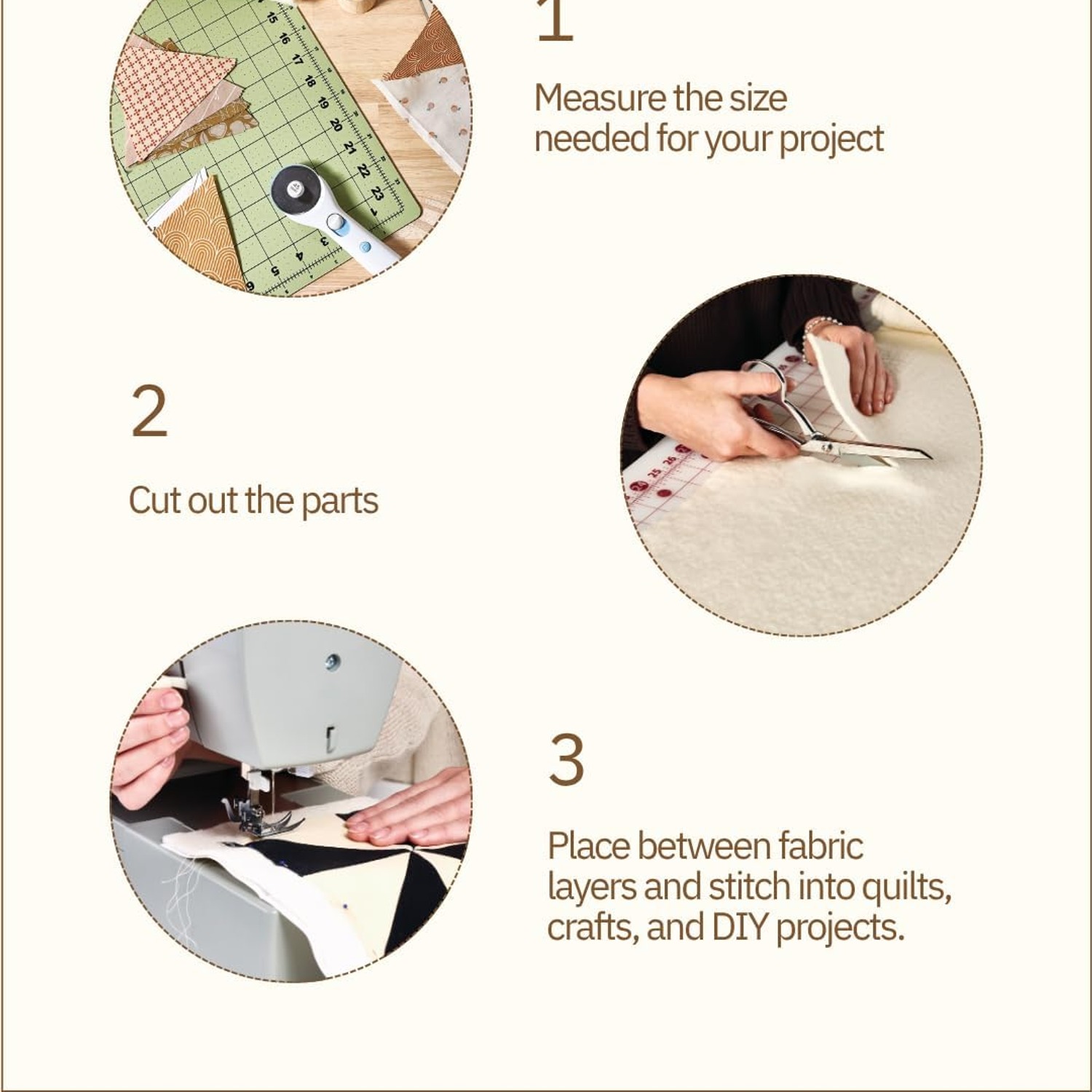
Do not assume a quilt top measuring 34 x 45 inches will fit comfortably on a batting piece of the same size. Patterns often call for batting to extend beyond the top while you baste and quilt. That spare material gives you room for handling and final trimming.

Read the cutting directions before laying anything out. If you are following a tutorial, look for its batting measurement rather than using the finished quilt measurement.

For several smaller pieces, sketch a cutting plan on paper. Include any allowance each one needs. A precut can be handy, but only if the parts fit without forcing a compromise in your pattern.

How the layer works in a quilt

A basic quilt sandwich has a top, batting and backing. The batting sits between the fabrics, and quilting stitches connect the layers.

The maker says fabric clings to this batting during quilting. That can help as you arrange the sandwich, but it is not a reason to skip securing it. Use the basting method your pattern or quilting process calls for.

Work on a clear surface where you can check each layer. Smooth the backing and top without stretching them, then inspect the sandwich before you begin stitching. A fold trapped underneath is much easier to fix at this stage.

The maker also describes easy needle passage through the glue-free construction. Still, test your needle, thread and chosen fabrics together. The complete sandwich matters more than the batting on its own.

Plan your quilting before you cut

This product permits quilting up to 10 inches apart according to the maker. Think of that as the maximum stated gap, not a target you need to reach.

Your pattern may ask for closer stitching. Follow the tighter requirement where one applies. Look across the whole design for spaces between quilting lines, including large open areas near borders.

A simple layout can make a small quilt easier to manage. Before sewing, draw the stitch plan and consider where you will start, turn and finish. This is especially helpful when using a new fabric or trying a different quilting method.

The batting does not decide the design for you. It gives you a stated spacing limit within which to plan a suitable pattern.

Who this craft-size piece suits

Small quilt batting is useful when the project needs a manageable piece rather than bed-size yardage. This product is listed for home-interior and art uses, so quilted wall pieces and fabric-art projects are reasonable places to start.

It may also work as batting for table runners if the cutting layout fits. Measure the full runner and its required allowances, particularly for long designs.

For a beginner, a smaller project offers a chance to practise layering, basting and binding without handling a bed quilt. That does not make every small project simple, but it can make the amount of fabric easier to control.

An experienced maker may prefer a precut for a specific pattern. The useful question is whether this piece matches the job, not whether it is labelled for a particular skill level.

Know what the maker's description does not tell you

Thickness and loft are not specified. Neither is a warmth rating. The listed weight is 0.15 kg, but that does not tell you exactly how a finished quilt will feel.

If you want a very flat wall piece or a noticeably raised quilted texture, get more detail before ordering. Do not use the fibre blend alone to predict the finished profile.

The colour field in the source names the craft size instead of a shade. If colour could show through pale fabric, check the product information and test the layers together.

There is also no stated heat-resistance rating. A quilted table project should not be treated as protection from hot cookware just because it contains batting.

Compare it with your other options

When comparing craft quilt wadding, begin with the facts that affect your pattern. Size and fibre content are useful starting points. Then check the permitted quilting gap and care guidance.

This piece is a cotton blend with a polymer base, not an entirely cotton filling. It is supplied precut, rather than as a custom length. Those are practical differences that may settle your choice before appearance or price does.

If you are comparing it with batting already in your sewing cupboard, keep their labels nearby. Similar-looking pieces may have different care instructions or stitch-spacing limits.

Choosing the best cotton batting for quilting means matching the material to the project. A suitable piece for a small wall hanging may not be the right choice for a large quilt or a pattern with strict fibre requirements.

Prewashing and finished-project care

The maker says prewashing is not required. It also says the batting is machine washable after quilting. Those are separate points.

Do not read the finished-project washing guidance as instructions to machine wash loose batting. The stated care applies once quilting stitches hold it within the project.

Wash temperature, drying settings and a shrinkage percentage are not provided by the maker. Check the package when it arrives, and consider the care requirements of the top, backing, thread and any added details.

If the final dimensions matter, make a small sample and care for it according to the confirmed instructions. Measure it before and after. That gives you information about your own combination of materials without risking the full project.

Dyeing and other creative uses

The maker says this batting accepts dye and can be used as an exterior fabric. Those options may interest makers working on fabric art rather than a traditional covered quilt sandwich.

No dye recipe or colourfastness result is given. Start with an offcut, follow the dye maker's directions and check whether the result suits your intended use.

When the batting will remain visible, test more than the colour. Look at the surface, stitch appearance and how it responds to handling. A layer that works well inside a quilt may give a different effect when exposed.

Keep any experiment separate from your main piece until you are happy with the result.

Make the most of the precut

Before cutting, check the actual piece against your pattern and arrange all the parts. Place larger shapes first, then see whether smaller sections fit around them.

Keep usable offcuts clean and dry. Label them with the product name and composition so they are not confused with another batting later.

An offcut can be useful for testing quilting lines, thread tension or washing results. It can also help you judge whether a pale fabric shows the layer beneath it.

Keep the care information with those scraps. A few notes now are easier to trust than a guess several months later.

The short version

This craft-size batting is one 34 x 45 inch precut made from 87.5% cotton and 12.5% polymer fibres. Its needle-punched construction uses no glue, and the maker allows quilting up to 10 inches apart.

Choose it when the size, blend and care guidance fit your pattern. Allow room beyond the quilt top, test your materials together and confirm package instructions before washing. For a smaller quilted project, those checks are more useful than buying by name alone.

Browse the shop

Does your project fit?

Check your pattern's batting allowance against the 34 x 45 inch precut before adding it to your sewing plans.

Ask us a question

Page summary

This craft-size batting is supplied as one precut measuring 34 x 45 inches, with listed dimensions of 114.3 x 86.4 cm. Its stated composition is 87.5% cotton and 12.5% polymer fibres. Cotton is needle punched through a thin polymer base without glue to resist fibre movement and bunching. The maker permits quilting up to 10 inches apart, says prewashing is unnecessary, and allows machine washing after quilting. The product is made in the USA and weighs 0.15 kg. Listed uses include home-interior projects and fabric art. Thickness, loft, wash temperature, drying settings and shrinkage percentage are not specified by the maker.