
The complete guide
A Practical Guide to Choosing White Cotton Fabric
Start with the project, not just the colour
Buying plain fabric sounds simple until you put it beside a sewing pattern. White can be the right colour, yet the fabric still needs the right width, drape and feel. A pillowcase, a fitted top and a lined tote bag ask different things of the same material.
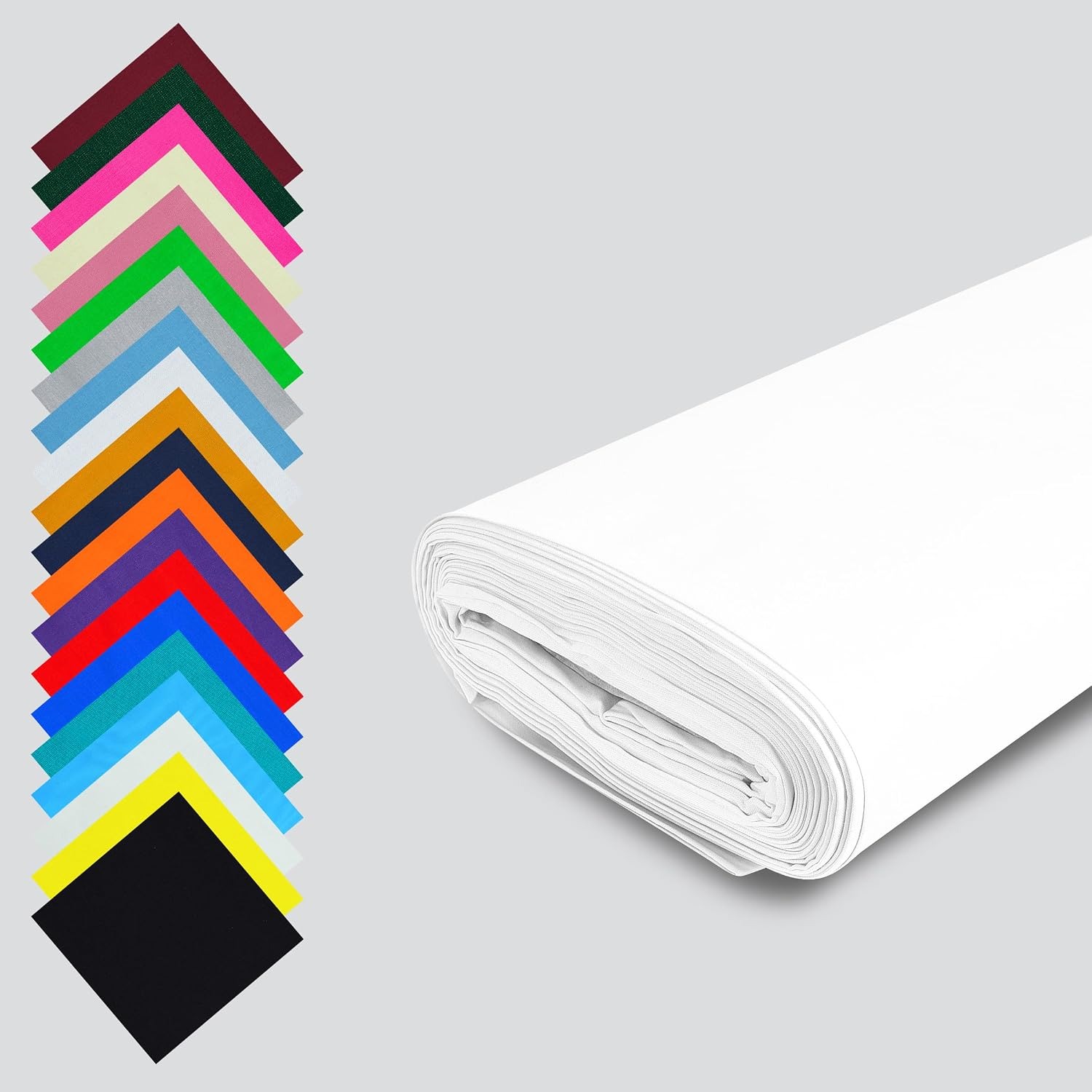
This white cotton fabric is listed for dressmaking, quilting, curtain linings, pillowcases and tote bags. It has a solid pattern and a plain weave, with a stated composition of 100% cotton. Those details give you a starting point, but your project should make the final decision.
There is also a measurement issue worth settling early. This is advertised as the 5-metre option, while the dimension entry states 4.57 metres long. If your project needs the full advertised length, confirm what will be supplied before ordering.
What plain cotton brings to a sewing project
A plain white surface leaves room for the construction of your project to show. Pleats, pockets, quilting lines and contrasting trims can take focus without competing with a print. It also means you do not have a printed motif to position across each panel.
That does not remove the need for a careful cutting layout. Grain direction still matters, and your pattern may ask for pieces to be placed in a particular way. Follow those markings rather than turning pieces simply to make them fit.
The maker describes this as plain weave cotton fabric. It does not provide a stretch percentage or a measured drape rating. If you are choosing fabric for a pattern that needs stretch, a very fluid fall or a stiff shape, check those needs separately. A fibre name alone cannot answer every fit question.
Check the measurements before you buy
The advertised length is 5 metres. The separate dimensions are 4.57 metres long by 1.47 metres wide, and the reference details also mention a width of 147.5 cm. These figures are close on width but not the same on length.
That length difference can matter. A project that only needs a small part of the cut may leave plenty of room. A layout using nearly five metres might not. Do not base a tight plan on the larger number without confirmation.
Look at the fabric requirements printed on your pattern. Many patterns show different amounts for different fabric widths. Use the width closest to the confirmed usable width, not simply the widest figure in the maker's description.
Allow for hems, seam allowances and any test pieces your project needs. If you plan to wash before cutting, also leave room to assess changes in size. No shrinkage rate is provided here, so an exact allowance cannot be promised.
Understand the weight information
The reference details describe the fabric as 150 gsm. This is a weight-per-area measure, not the weight of the full piece. A separate item-weight field says 150 g, which should not be read as a confirmed total for the advertised length.
Keep those two measures apart when comparing products. Fabric weight per area can help you compare options, while a package or item weight serves a different purpose. Neither tells you everything about softness, coverage or how a finished garment will hang.
The stated thread count is 120. Treat this as one detail rather than a quality score. For a practical choice, your pattern requirements and a hands-on check of the fabric matter more than chasing a single number.
Choosing it for dressmaking
White dressmaking fabric can suit a range of ideas, but start with your pattern's recommended materials. A pattern written for woven cotton is a more useful guide than a photograph of a finished garment in an unknown fabric.
Think about coverage as well as shape. Opacity is not specified for this product. Before cutting clothing, hold the fabric against the light and over the underlayers you expect to wear. Check it both flat and gathered, since those views can look different.
For a fitted design, follow the pattern's fitting steps before cutting every piece. If the design needs stretch, do not assume this cotton will provide it. No stretch performance is stated in the maker's description.
Keep a small offcut for seam and pressing tests. It is easier to change a stitch setting on a spare piece than to remove an uneven seam from a main panel.
Quilting and patchwork planning
The maker includes quilting and patchwork among its uses. Solid white cotton fabric can give a patchwork layout a consistent background, letting the shapes and colours of other pieces remain clear.
Before combining fabrics, test how they behave under your planned care routine. A small wash test can help you spot changes before several different fabrics are joined. Follow the care needs of all the materials, not just the white cotton.
Accurate cutting is especially useful when a design has many repeated pieces. Press the fabric as directed by its supplied care guidance, check the grain and measure carefully. Save usable offcuts for small blocks or stitch tests rather than counting on every leftover piece for the main design.
Pillowcases and other home sewing
Pillowcases are a listed use, making this an option to consider for home sewing patterns that call for cotton. Measure the actual pillow rather than relying only on its size name. Include the closure style and hem depth in your cutting plan.
For cotton fabric for pillowcases, also think about how the finished item will be washed. Test the fabric before cutting so you can make choices based on its behaviour rather than an assumed shrinkage rate.
Curtain lining is another listed use, but lining fabric and performance lining are not the same thing. The maker gives no blackout or thermal rating. If you need a room-darkening result or a specific safety standard, look for documented performance rather than relying on the white colour.
For any large panel, check both the finished width and length. Joining narrower pieces may change the look and work involved, so decide whether visible seams suit your plan before you buy.
Tote bags and small craft projects
The product details include tote bags and crafts. A simple bag pattern can be a useful way to work with cotton fabric for home projects, provided you match the construction to the intended use.
Consider what the bag will carry. The maker's description does not give a tested load capacity, and fabric alone does not determine bag strength. Handle attachment, seam design and any lining or interfacing also play a part.
Follow the pattern's advice on those additions. If it calls for reinforcement, do not leave it out because the fabric is described as durable. That word is not a substitute for a tested finished bag.
Smaller craft projects offer room to try details before making a larger item. Use offcuts to practise pocket shapes, topstitching or closures, then keep the successful sample beside your machine as a guide.
Prepare before the first cut
When the fabric arrives, check its measurements and condition before altering it. This is especially important here because the advertised and listed lengths differ. Keep it uncut and unwashed until you are satisfied it matches your needs.
Read any supplied care label next. Machine washing is listed, but the maker does not state a wash temperature, drying method or iron setting. Use the instructions supplied with the actual fabric rather than guessing from general cotton advice.
Once you are ready to proceed, test wash a small piece. Measure it before and after, and note any change in appearance or feel. You can then decide how to prepare the main piece for your project.
Test your seam on another offcut. Check both sides for even stitching and try the seam finish suggested by your pattern. A few minutes spent here can prevent a long stretch of unpicking later.
Know what the maker's description does not confirm
The composition is stated as 100% cotton, but verified organic certification is not given by the maker. If certification is a requirement for your purchase, ask for the relevant evidence before ordering. Do not treat a marketing description as proof of a standard.
The maker's description also does not confirm country of origin, a warranty or specialist protective performance. It should not be selected as a certified medical or protective fabric on the strength of general sewing uses.
Delivery timing and return conditions need a separate check. If the fabric is for a deadline or a gift, review the current delivery estimate and returns policy before committing.
The short version
This is a solid white, plain-weave fabric listed as 100% cotton, with uses that include dressmaking, quilting and home sewing. It is worth considering when your pattern calls for this type of fabric and you want an unprinted base.
The key step is to confirm the supplied length, since the advertised 5 metres conflicts with the 4.57-metre dimension entry. Then check usable width, test care and stitching on an offcut, and let your pattern guide the rest.