
The complete guide
A Buyer's Guide to White Lightweight Mesh Fabric
Find what you need without opening every pocket
A bag can have plenty of pockets and still be hard to use. When every pocket is made from solid fabric, you may need to open several before finding the small item you want. See-through pockets offer a simple way to keep contents in view.
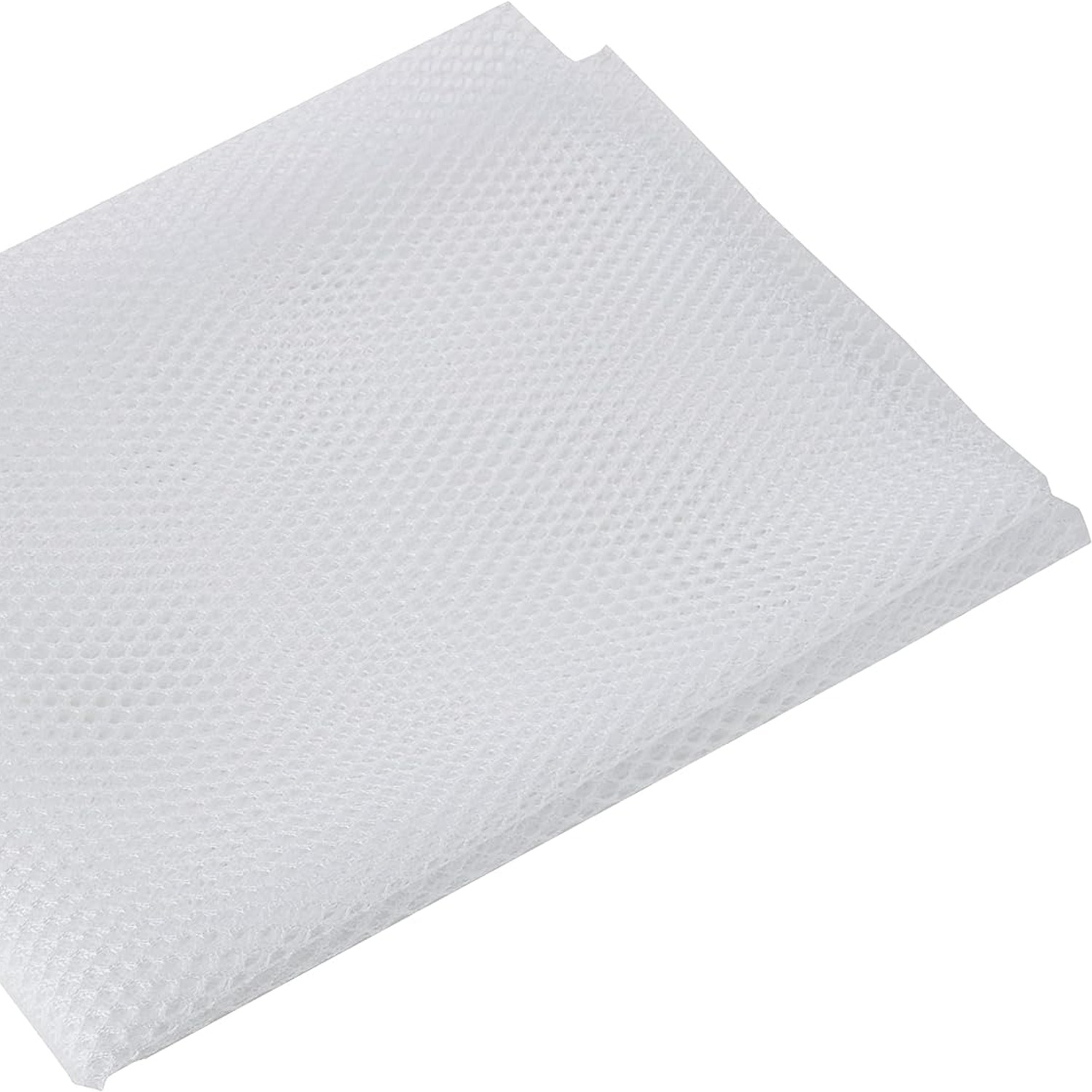
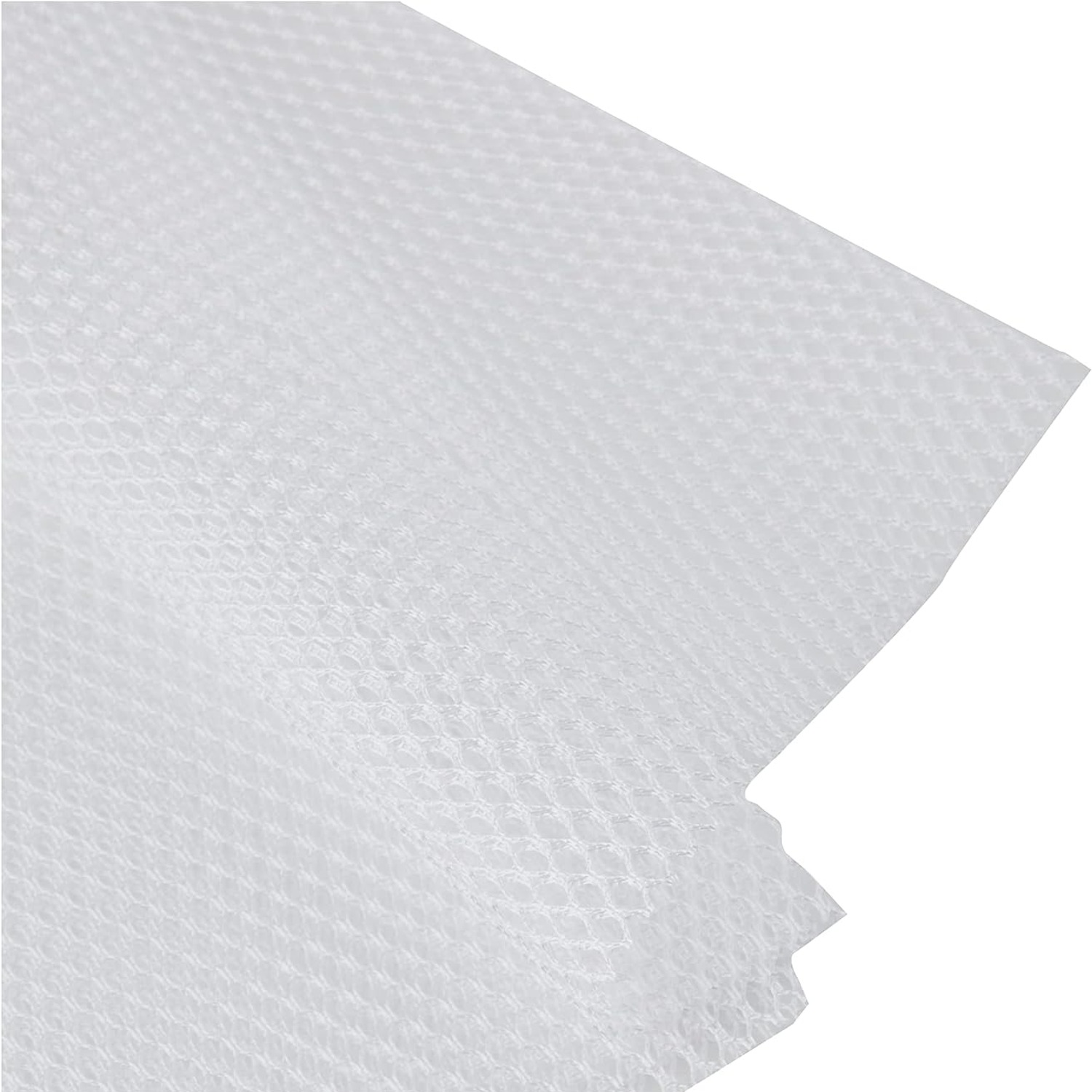
This white mesh fabric is intended for bags, pockets, crafts and home decor projects. It is lightweight, slightly stretchy and supplied as one precut piece. That makes it worth considering when you want a visible storage section without adding a bulky layer.
The key is choosing it for the right job. This is lightweight sewing mesh, not a material with a stated heavy-load rating. Start with your pattern and the items you plan to store, then check whether its size and features fit.
How the open mesh works
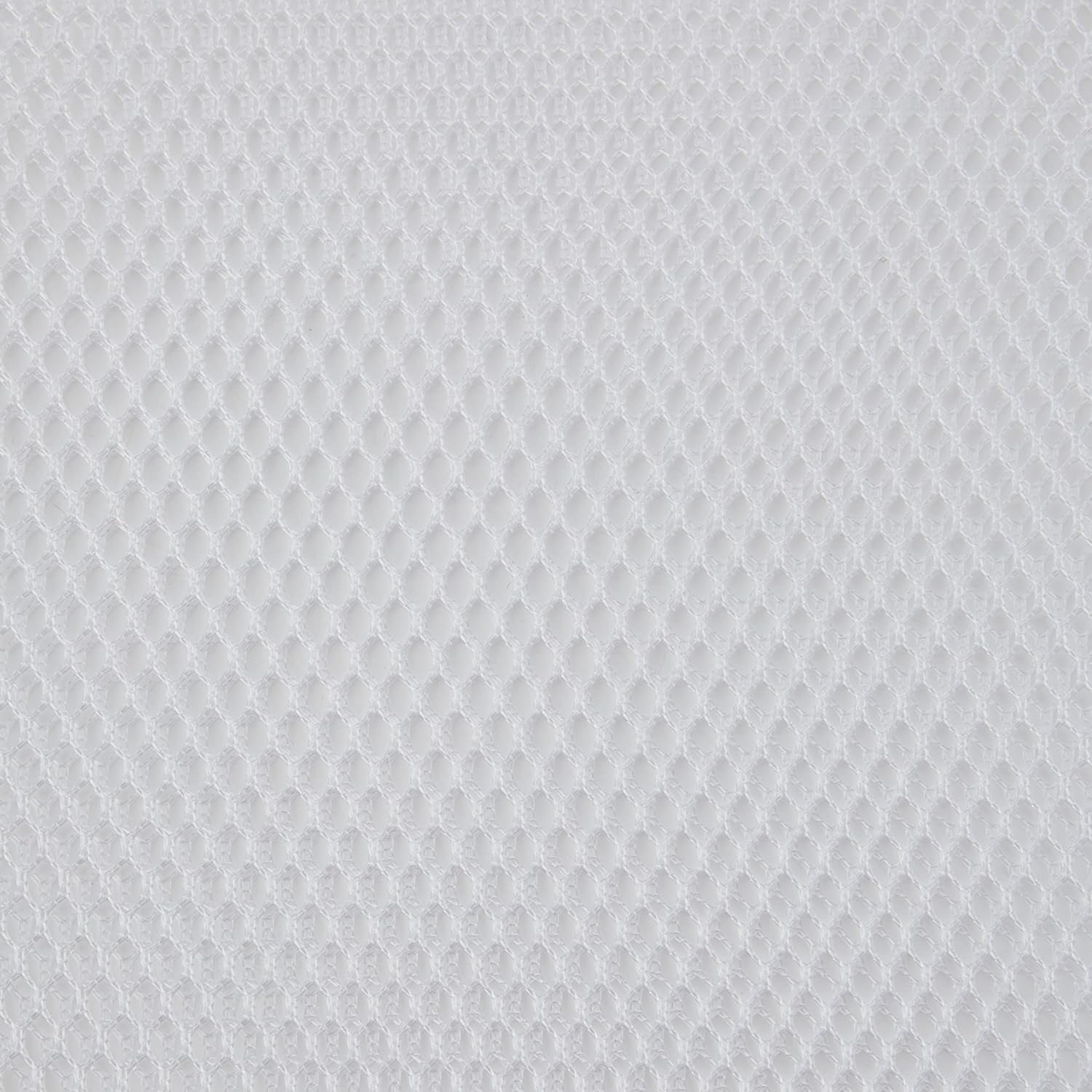
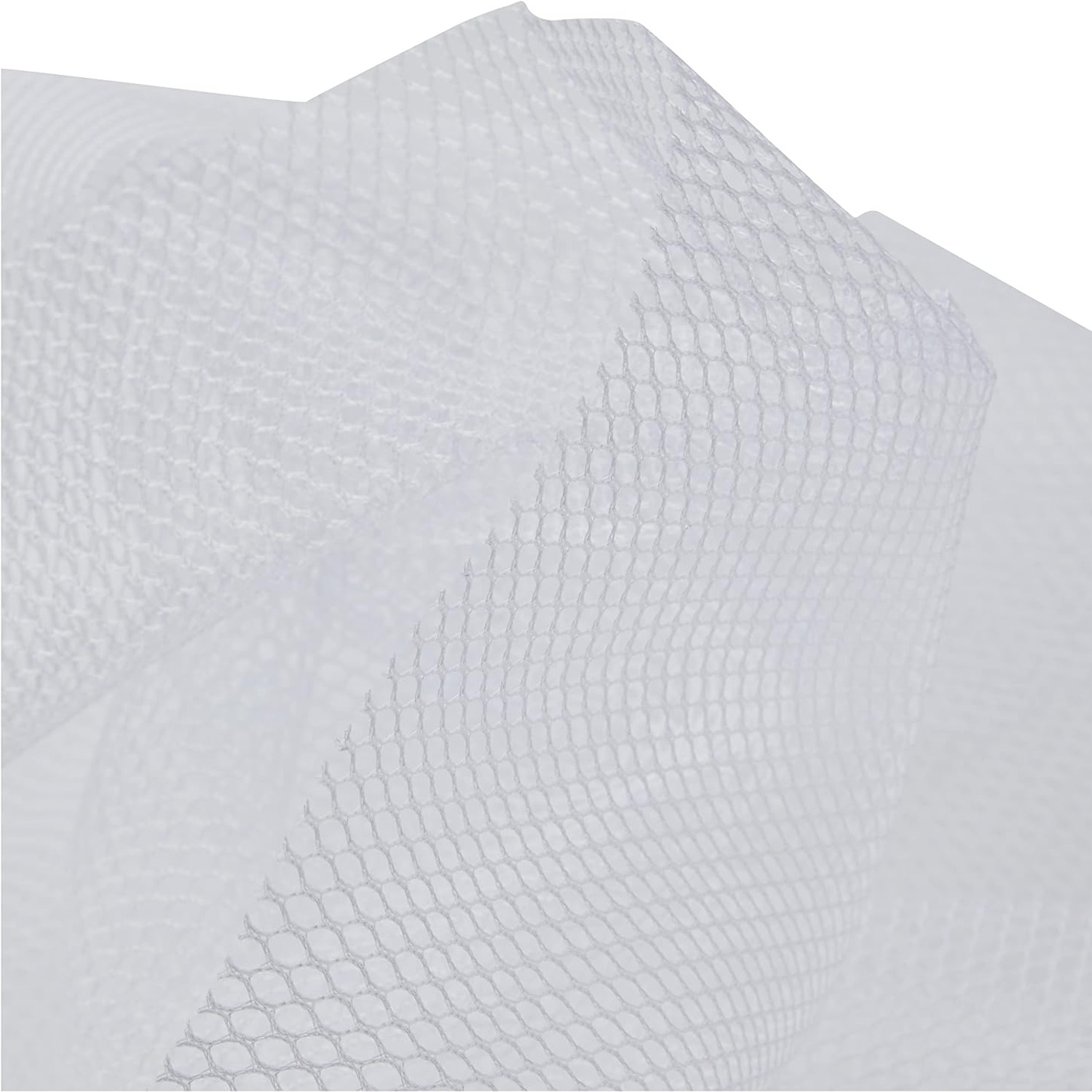
Unlike a solid pocket panel, mesh has an open structure that lets you see through the fabric. You can check what is inside while leaving the pocket closed. For an organiser with several compartments, that can make the layout easier to use.
The maker also describes a slight stretch. This gives the fabric some room to expand, but it does not tell us how far it stretches or in which direction. Treat that give as a useful feature rather than a measured allowance you can build into a precise fit.
If your pattern depends on stretch, test the fabric before cutting the main pieces. A small trial section can show how it behaves with your chosen seam and edge finish.
Where this fabric fits best
Mesh for sewing bags is useful when visibility matters more than hiding the contents. An inside pocket can keep an item separate while still letting you check whether it is there. A larger panel can give you a view into a storage section.
This fabric may also suit craft storage mesh projects and home decor patterns that call for a lightweight open fabric. The maker lists both crafts and home decor among its uses, though it does not provide instructions for a particular finished item.
Think about what the pocket needs to do. Keeping everyday items visible is a different task from supporting a heavy load or holding sharp tools. There is no load capacity or puncture-resistance information in the maker's description, so do not assume it covers those needs.
Check the precut size before buying
One piece is supplied, measuring 18 x 54 inches. The metric dimensions are listed as 137.2 x 45.7 cm. This is a defined precut, so it helps to plan the full cutting layout before you order.
Look beyond the finished pocket measurements. Your pattern may need extra fabric for seam allowances, a folded edge or sections that sit inside a binding. Those details can change how many pieces fit across the available width.
Draw a simple layout on paper if you are making several pockets. Mark each piece at its cutting size, not its finished size. You will get a clearer idea of whether one precut is enough and where useful offcuts might remain.
Do not assume multiple packs will arrive as one continuous length. The maker describes individual precuts.
Choose visibility with purpose
See-through pocket fabric solves a specific problem, but it does not suit every compartment. Some contents are better kept out of view. Others may be too small for an open mesh, depending on the size of its openings.
The mesh opening size is not specified by the maker. If your project will hold tiny loose items, confirm that detail before buying. A fabric can be see-through and still have openings that are too large for a particular use.
For a bag with mixed storage needs, consider where visibility will help most. Your pattern may combine solid pockets with mesh sections. Follow that design rather than replacing every panel with the same material.
A thoughtful pocket layout matters as much as the fabric itself.
Understand what lightweight means here
The maker describes this mesh as lightweight and says it will not add bulk. That can be useful in a bag with several pockets, where each extra fabric layer affects the finished feel.
It does not mean the whole project will be thin. Binding, lining, interfacing and folded seams all contribute to thickness. A low-bulk pocket panel is only one part of the construction.
Nor does lightweight tell you how much weight a finished pocket can carry. Seam placement and the surrounding bag fabric matter too. Since no strength test or load rating is given, use a pattern designed for this type of material and avoid making unsupported strength assumptions.
Plan for the slight stretch
Slightly stretchy mesh can allow a pocket to expand a little around its contents. The important word is “slight”. There is no stated stretch percentage, recovery figure or stretch direction in the product details.
Before cutting, handle the piece gently and see how it responds in each direction. Compare that with any placement guidance in your pattern. Avoid pulling it out of shape while measuring.
If the pocket needs to hold a very exact shape, make a sample first. Use the same edge treatment and seam arrangement planned for the finished item. That small test is more useful than judging the loose fabric alone.
Keep any useful sample notes with your pattern for the next project.
Make a practice seam first
The maker calls this polyester craft mesh easy to sew. Even so, it is sensible to try your setup on an offcut before starting a visible panel.
Needle size, stitch length and thread choice are not specified by the maker. Follow your sewing machine guidance and the instructions supplied with your pattern. Then check how the layers feed and whether the sample seam sits as intended.
Use the same combination of materials as the final seam where possible. Mesh sewn to binding may behave differently from mesh sewn directly to a lining.
If the sample does not look right, adjust one setting at a time. This makes it easier to see what helped without risking a full-size cut piece.
Think about edges and other materials
A mesh pocket is more than its centre panel. The opening needs a suitable finish, and the sides need to join the rest of the project in the way the pattern describes.
The maker's description does not give a required edge treatment or say whether raw edges can remain exposed. Use the binding, fold or seam finish specified by your design rather than guessing from the product photo.
White mesh fabric also makes colour choice worth a little thought. Place it beside your lining and trims before sewing. Because it is see-through, the material behind it will be visible through the openings.
Checking the combination early is easier than changing a finished pocket later.
Care for the whole finished item
The maker describes the fabric as machine washable and dryer safe. That is helpful for projects you expect to clean, but the maker does not state wash temperatures or drying settings.
Read the care label supplied with the fabric before washing. If you plan to combine it with other materials, check their care instructions as well. A finished bag may include trims or structural layers that cannot follow the same routine as the mesh.
Testing an offcut with your planned wash method is a sensible precaution. It lets you check the result before cleaning the finished item.
Ironing guidance is not provided. Do not assume that permission to tumble dry also gives permission to press with an iron.
Know what the maker's description does not promise
Good fabric choices depend on the limits as well as the features. The maker does not specify mesh opening size, outdoor performance, UV resistance or a load rating. It also does not give garment testing details.
That means it should not be treated as insect screen, protective mesh or a purpose-rated outdoor material. Those jobs require information that is not given by the maker by the maker.
Likewise, the stated slight stretch is not enough to confirm suitability for a fitted garment. If your project depends on a measured performance feature, ask for that information before ordering.
For straightforward bag pockets and craft projects, focus on the known facts. You are choosing a white, lightweight, see-through polyester precut with a little give.
Check the practical details before cutting
Once the fabric arrives, compare the piece with your pattern layout before making the first cut. Check that the colour and open structure suit the intended pocket contents.
Keep the product details and any care information that comes with it. They can be useful later, especially if you make several projects from the same piece or give a finished item to someone else.
Delivery timing and return terms are not specified by the maker. Check our delivery and returns pages information before ordering, particularly if you need the fabric for a dated project. If it is not suitable on arrival, review the return conditions before washing or cutting it.
The short version
Choose this precut when you want lightweight, see-through pockets or bag sections with a little stretch. It is white, made from 100% polyester and supplied as one 18 x 54 inch piece.
Measure your pattern, check the cutting layout and test a seam before starting. With those basics settled, you can decide whether this washable mesh is the right fit for the storage project you have in mind.