
The complete guide
A Practical Guide to Choosing and Using Fusible Fleece
When fabric needs a little more body
A fabric can look just right for a project yet feel too thin once you start sewing. A bag panel may seem limp. A small quilted piece may need padding, or a home sewing project may need more body than the outer fabric provides on its own.
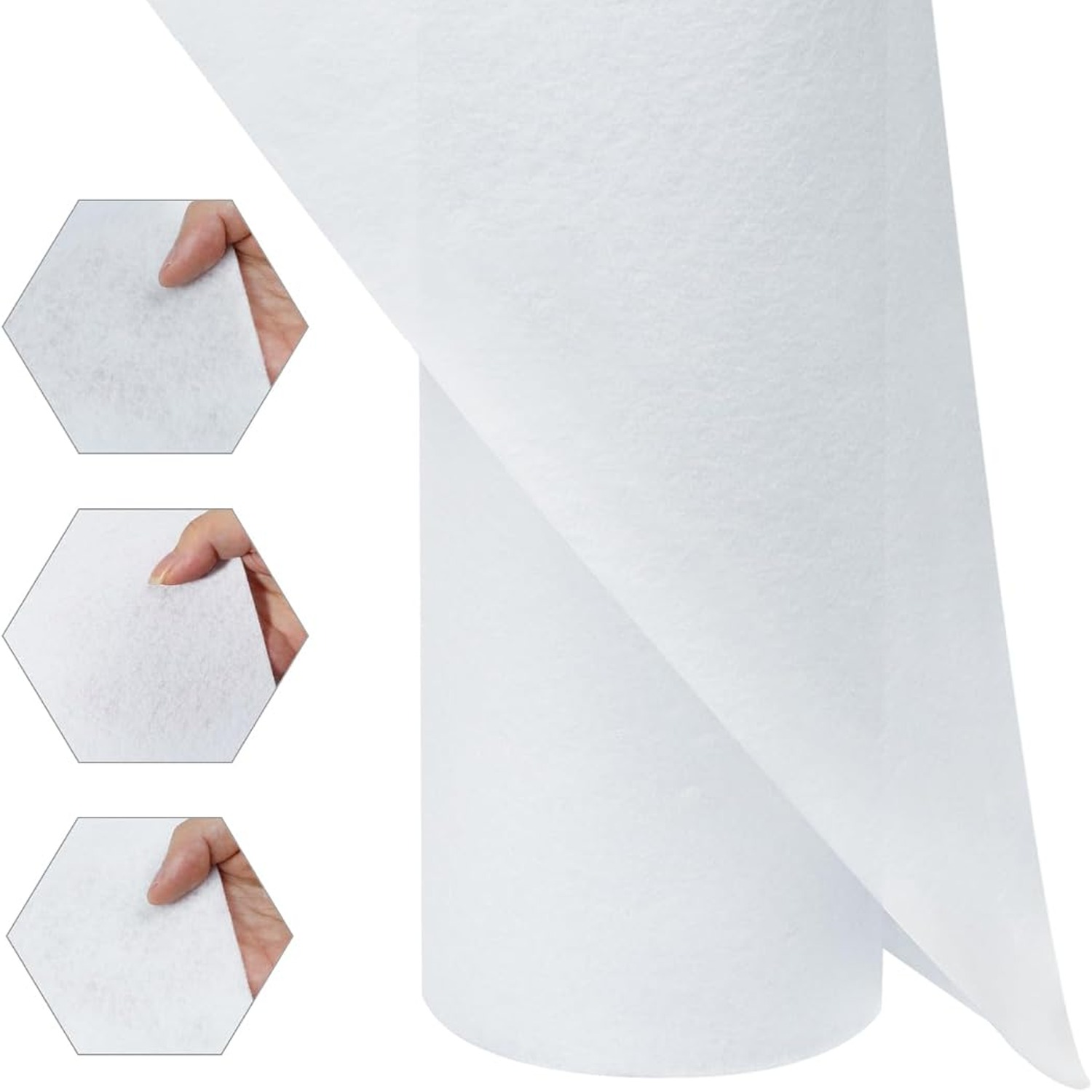
Fusible fleece is one way to add that missing layer. It sits inside the project and gives the fabric a softer, padded feel. The adhesive helps attach it to a fabric layer before you carry on with construction.
This roll is listed for bags, quilts and home decor projects. The main question is whether your pattern needs soft support. If it calls for a stiff insert or a particular foam, do not assume fleece will produce the same result.
How the iron-on layer works
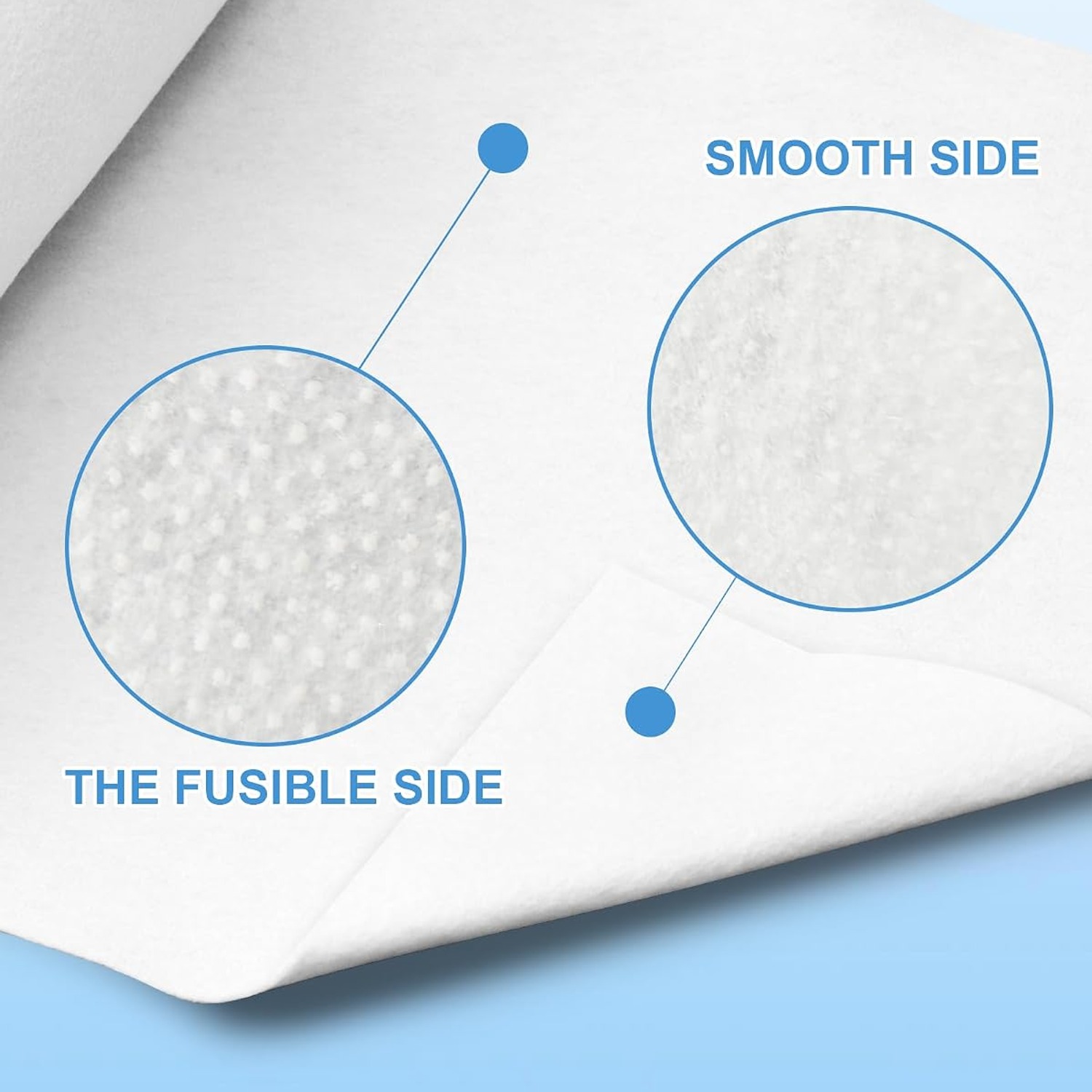
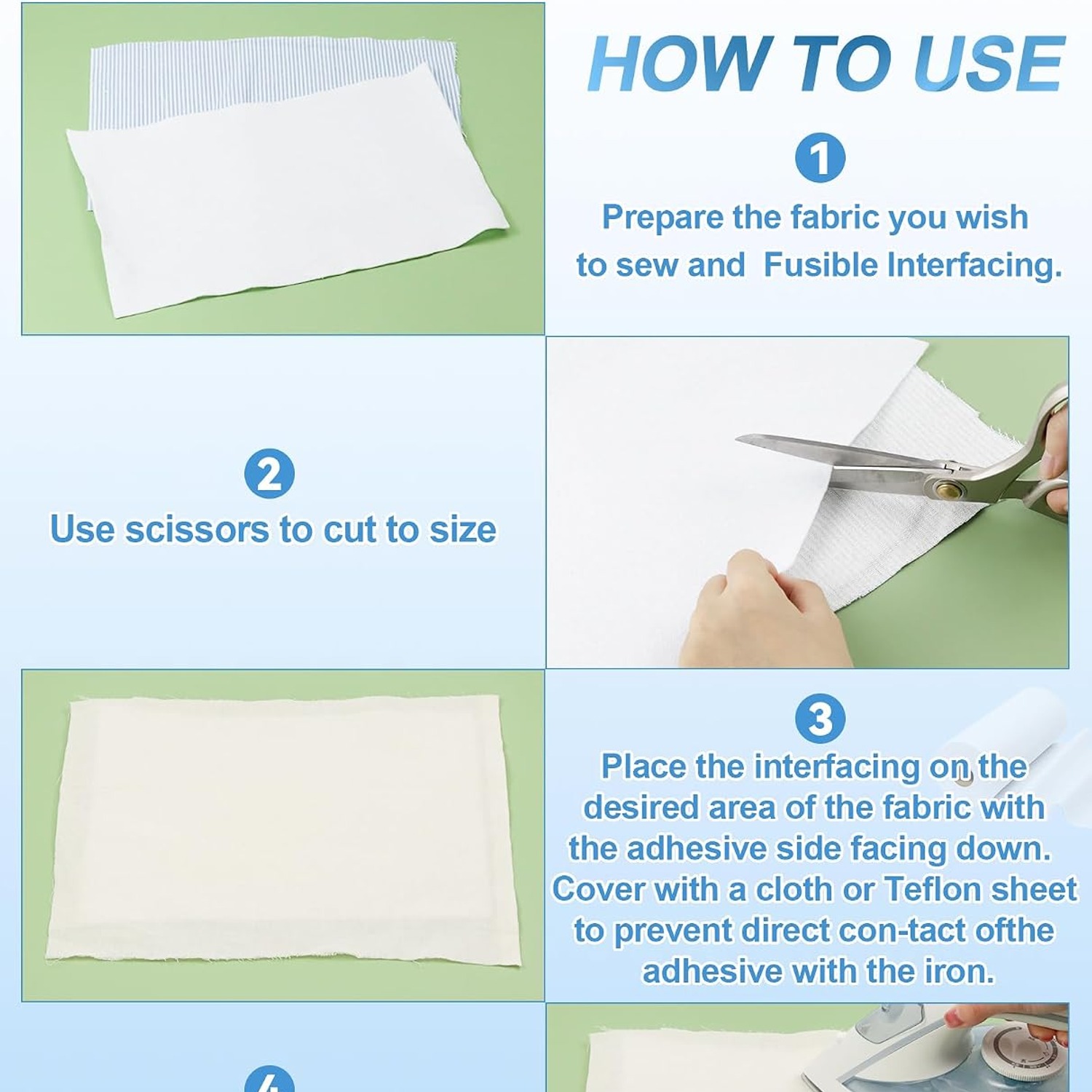
This heat activated fleece interfacing has adhesive on one side. Heat from an iron activates that adhesive so the fleece can bond to fabric. It combines a padding layer with an attachment method, rather than leaving you to manage a completely loose layer.
That does not mean every fabric will accept it in the same way. The outer fabric must tolerate the heat needed for application. Its surface and finish can also affect the result, which is why a scrap test matters.
The maker does not give an iron temperature, pressing duration or steam setting. Follow the directions supplied with the roll. General advice for another brand of iron on fleece for sewing should not replace instructions for the material in your hands.
Once applied, check the sample before moving on. Look at both sides, feel the fabric and let it cool before judging the bond.
Check the roll width before anything else
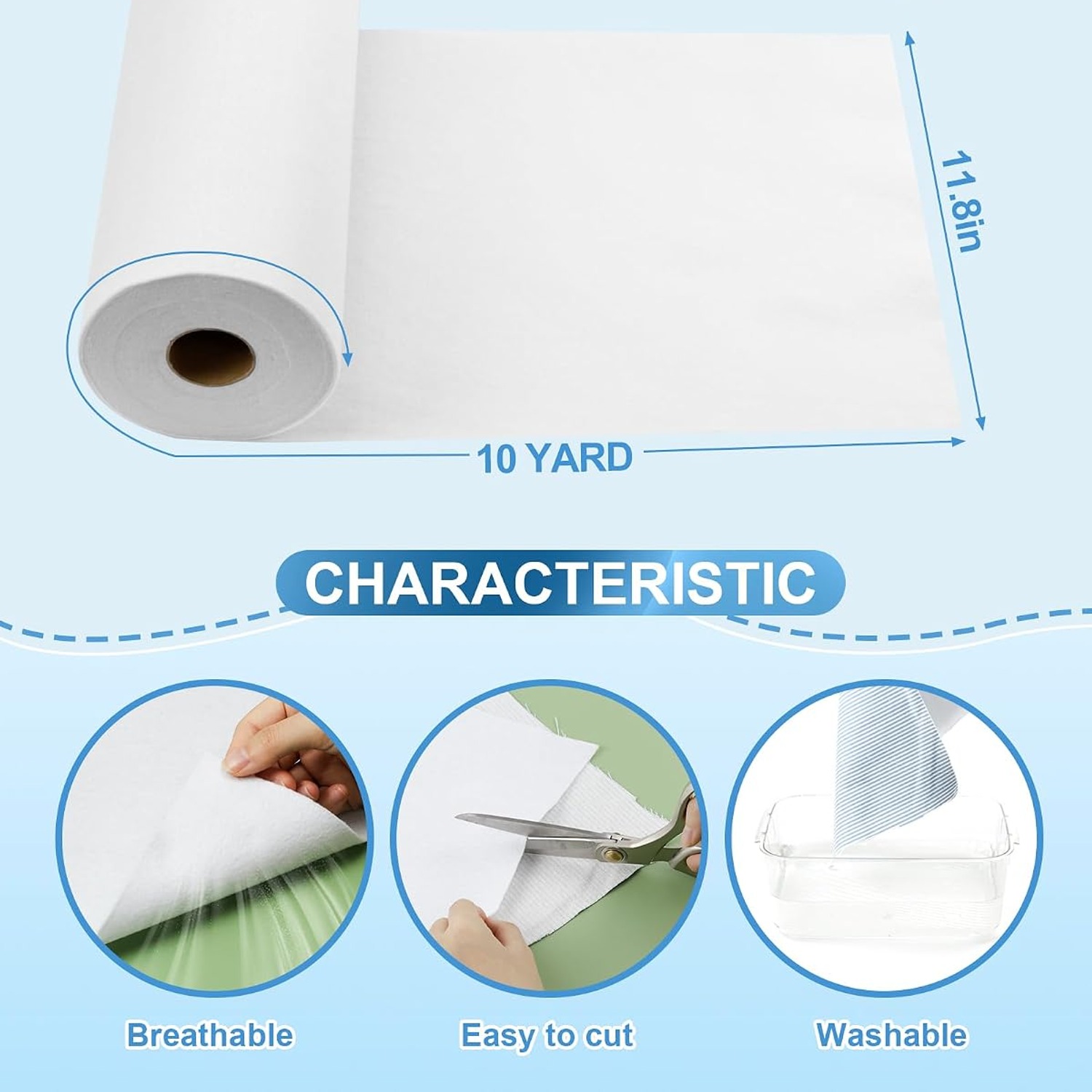
The maker lists this fusible fleece interfacing roll at 11.8 inches wide and 10 yards long. For many projects, the width is the first measurement to check. A long roll is still too narrow for a panel that must be cut as one wider piece.
Lay your pattern pieces on a table and measure the space they need. Include any allowances required by the pattern. If the fleece pieces are smaller than the outer fabric pieces, use the fleece cutting lines rather than guessing from the finished size.
The maker's description also lists product dimensions of 30 × 5 × 5 cm. Those are separate from the usable roll measurements. Do not use them to plan a flat cutting layout.
A narrow fusible fleece roll may work well for smaller pieces and repeated panels. For a large project, check the full layout before buying rather than relying on the total length alone.
Match soft padding to the job
Bag making fleece is useful when your goal is added body with a padded feel. Think about how you want the finished item to behave. Should it bend easily, hold a soft shape or stand firm when empty?
Those are different aims. Soft bag interfacing should not be treated as a promise of rigid walls. The outer fabric, lining, seams and pattern design all play a part in the final shape.
Read the pattern's support requirements closely. If it names fusible fleece, compare the required grade with the product details. If it names another kind of support, find out why before making a swap.
The same care applies to interfacing for fabric baskets. Fleece may fit a softly shaped basket, but a design with upright, firm sides may need something else. Choose for the finished result, not just the project name.
Understand the weight information
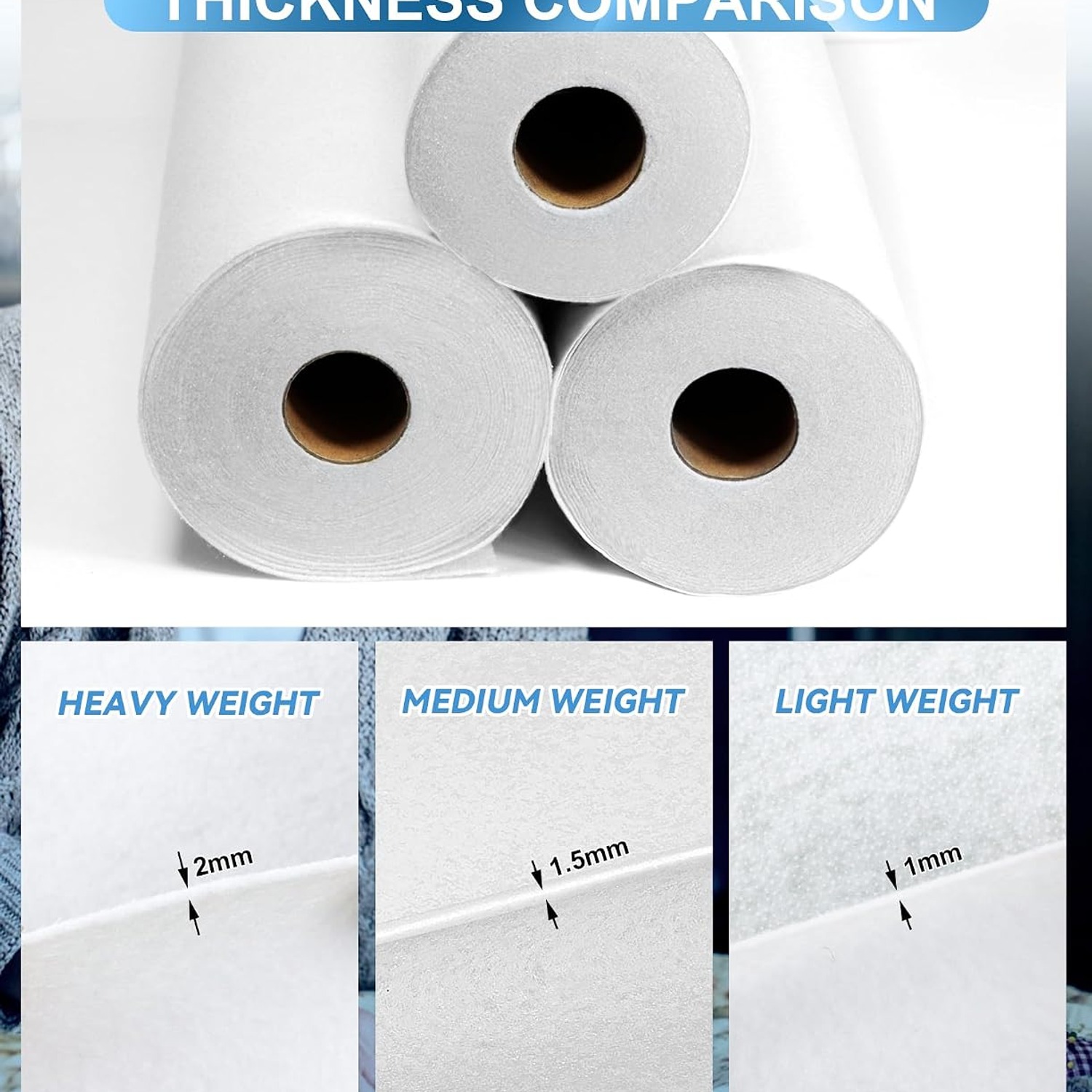
The maker mentions both light and medium weight options. The maker does not identify which grade is selected. It also does not provide thickness or weight per square metre.
The listed 590 g item weight cannot answer those questions. It is a separate product measurement, not a guide to the feel of one cut panel.
If your pattern needs a precise grade, confirm it before ordering. This is especially important when you are following tested instructions and want a close match to the sample shown.
Fibre content is also not specified. Avoid choosing on the assumption that the fleece is made from a particular fibre. If composition affects your buying decision or your care plan, ask for that detail first.
Make a useful test sample
A test piece should tell you more than whether the adhesive sticks. Use a scrap of your actual project fabric, not an unrelated offcut that behaves differently under heat.
Follow the supplied application directions. Keep adhesive away from the iron soleplate, and check whether the instructions call for any protection during pressing. Do not add heat or extend the pressing time simply because the bond looks uncertain while still warm.
After the sample cools, look for changes on the fabric face. Check the colour, surface and feel. Bend the piece as it would bend in the finished item.
If you plan to sew through several layers, build a small sample of that full stack. A single fused panel will not show you how a bulky seam or a lined corner will behave. A few minutes here can prevent wasted cutting later.
Plan cuts before using the roll
Start with the pattern's cutting list. Separate the fleece pieces from the outer fabric and lining pieces so you know exactly what the padded layer must cover.
Arrange those pieces within the listed roll width. Leave room for a test sample and any trimming your instructions require. You can then estimate the length needed from the roll with less guesswork.
For repeated padded fabric projects, keep a note of a successful layout. It can help you plan the next batch without measuring every piece again.
Keep useful offcuts clean and separate from scraps that are too small. Before using an offcut, check that it covers the whole area needed. Do not assume piecing fleece is suitable unless your pattern allows it.
Think about seams and construction
Padding changes more than the middle of a fabric panel. It can also affect corners, folds and places where several seams meet. This is worth considering before you fuse every piece.
Follow the pattern's advice about whether fleece belongs inside the seam allowance. Some designs need a full layer, while others call for a smaller support piece or trimmed edges.
Test sewing through the planned layers before working on the finished item. Check that your stitch settings suit the complete stack and that the seam bends as expected.
Do not force a thick area through the machine to keep moving. Pause and work out whether the bulk comes from the cutting plan or the construction method. An early adjustment is easier than unpicking a finished corner.
Using fleece in quilts and home projects
Fusible fleece for quilting can help when a pattern calls for an attached padded layer. Still, the word “quilting” covers many project sizes and methods. Check the pattern rather than treating every padded material as interchangeable.
For larger pieces, roll width needs close attention. A 10-yard length does not remove the limits of an 11.8-inch width. Any joins should be planned and supported by suitable instructions.
Fleece for home decor sewing needs the same thought. Consider how often the item will be handled, folded or washed. Then check whether soft padding is the right support for that use.
This product is listed for those broad project types, but the maker does not promise a particular finish for every design. Let the pattern and a sample guide the choice.
Care starts with the whole project
The maker describes this as washable fusible fleece. That is useful for washable projects, but it is not a complete care label for the finished item.
The outer fabric, lining and other components must all suit the chosen cleaning method. One part may have a stricter limit than the fleece.
Specific washing temperatures, drying methods and dry cleaning guidance are not given by the maker by the maker. Check the instructions that come with the roll before laundering. Prewashing guidance is also absent, so do not assume the unused fleece should be washed before application.
Store the remaining roll clean and dry, away from direct heat. Protect the adhesive surface from dust, and keep the supplied directions with the roll so they are easy to find next time.
The short version
Choose this roll when your pattern calls for soft iron-on padding and its 11.8-inch width fits your pieces. The listed 10-yard length gives you material to plan across multiple cuts, but project yield depends on your layout.
Confirm the fleece grade if it matters to your pattern. Test the heat application on your fabric, check a sewn sample and follow the supplied care directions. Those simple checks are the most useful way to decide whether this fleece belongs in your next project.