
The complete guide
A Practical Guide to Choosing Black Marine Vinyl Fabric
A worn cushion cover does not always mean the whole seat needs replacing. If the base and padding are still sound, new upholstery fabric may be enough to change how it looks. The hard part is choosing a piece that fits the job, both in size and in how you plan to attach it.
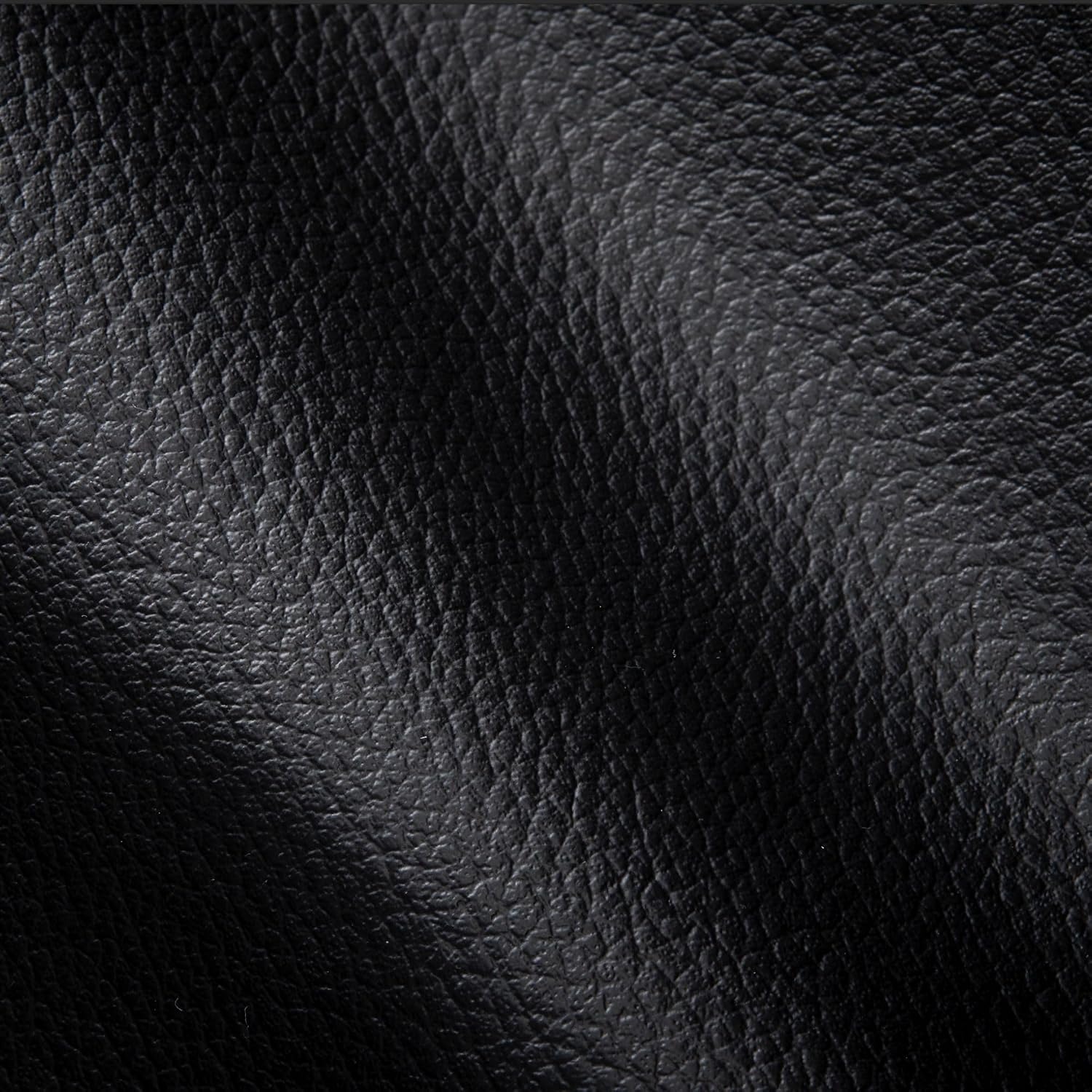
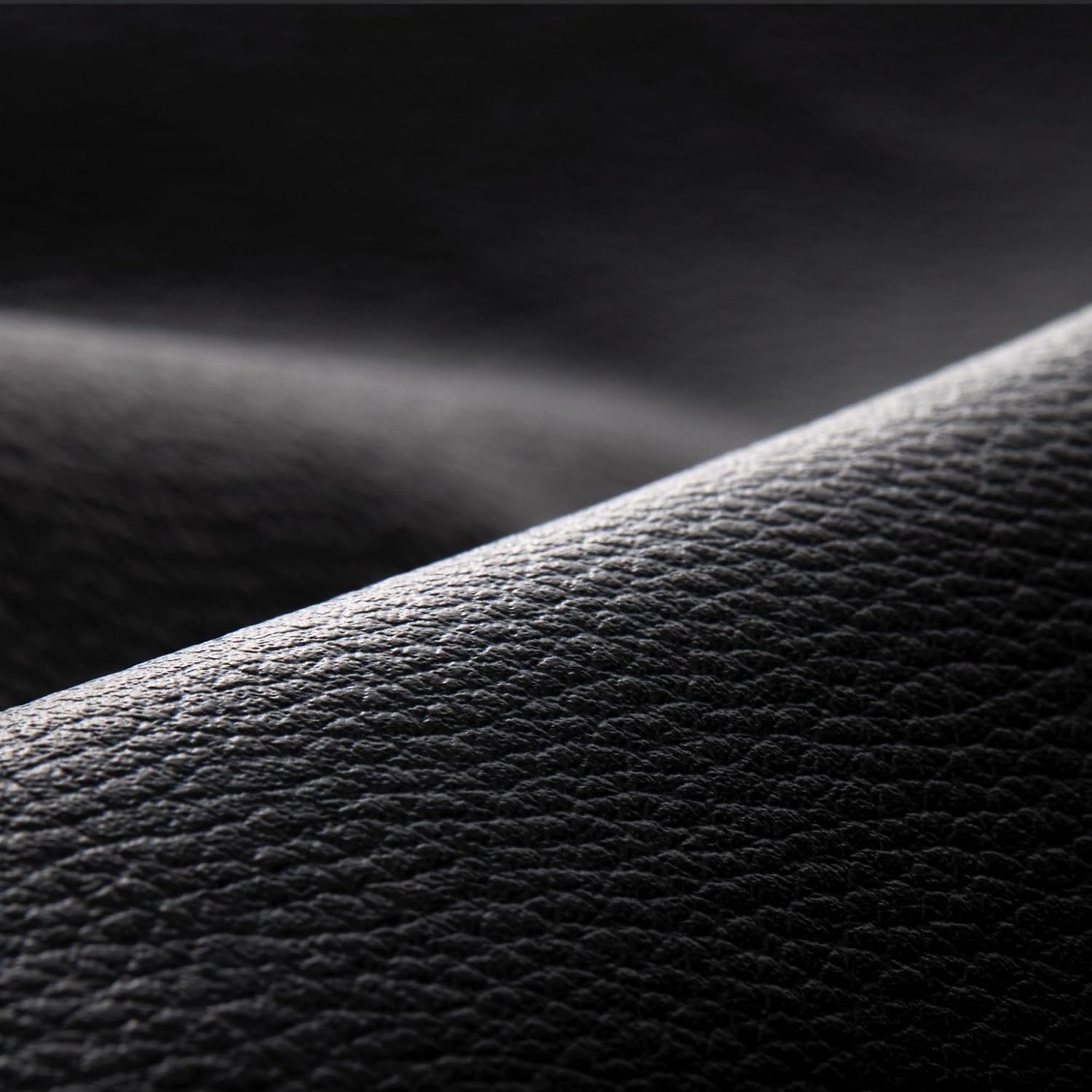
black marine vinyl fabric is a ready-cut faux leather piece intended for upholstery and crafts. It is listed for boat seating, furniture, cushions and headboards. Before you buy, take a little time to check the measurements and decide how the finished cover will be made.
Start with the job, not just the colour
Solid black upholstery fabric can be a useful choice when you want a plain finish. It avoids the need to line up a printed pattern across separate panels. That still leaves other details to consider, such as the direction of the surface texture and how the new material will look beside existing upholstery.
Look closely at the item you want to cover. Is the problem only the outer fabric, or is the padding worn as well? A fresh covering will not fix a damaged seat base or flattened foam. Deal with those parts before taking your final measurements.
For a partial repair, colour matching deserves extra care. Two fabrics described as black can look different in daylight. If a close match matters, confirm the appearance before committing to a visible replacement panel.
Understand what this listing includes
This product is fabric, not a finished cushion cover. You receive one piece to cut and fit to your own project. Foam, zips, fasteners and upholstery tools are not listed as included.
The product details describe the material as faux leather and vinyl. They do not give the thickness or backing composition. Those missing details matter if you need to pass several layers through a sewing machine or tuck the fabric into a narrow trim channel.
A ready-cut piece can suit small upholstery projects because you can plan around a fixed amount. It is less useful when a large cover needs a long, unbroken panel. Do not assume that several ordered pieces will arrive joined together.
Check the measurements before making a pattern
The maker lists a length of 1 yard and dimensions of 137.2 L × 91.4 W cm. Maker wording also describes a cut of about 90 cm with a width near 138 cm. These descriptions are close in overall size but use different orientations and rounding.
For that reason, confirm the usable dimensions rather than relying on a width label alone. This is especially important if your pattern nearly fills the piece. A few centimetres can decide whether you have enough fabric to turn under an edge.
Draw a simple cutting layout on paper. Include every panel, not just the part you see from above. A cushion may need a top, a bottom and side strips. A stapled seat needs extra material around its edges so you have something to pull and secure.
Decide whether it suits the exposure
The maker describes this marine vinyl upholstery as resistant to UV exposure, water and abrasion. Those are useful claims to consider for seating, but the maker provides no test ratings or stated service life.
Water resistance is not the same as a waterproof finished cushion. Stitching, joins and fastening holes can create entry points. The design of the cover and the materials underneath it matter as much as the outer surface.
If you need outdoor upholstery vinyl for a seat that stays outside all year, ask for more detail before buying. Think about rain exposure, storage and how often the seat will be used. The word marine alone does not settle every question about a demanding outdoor setting.
Match the piece to a realistic project
A small removable seat pad, a compact headboard panel or a craft item may be easier to plan than a full furniture covering. These projects let you work within the limits of one piece and may leave useful offcuts for testing.
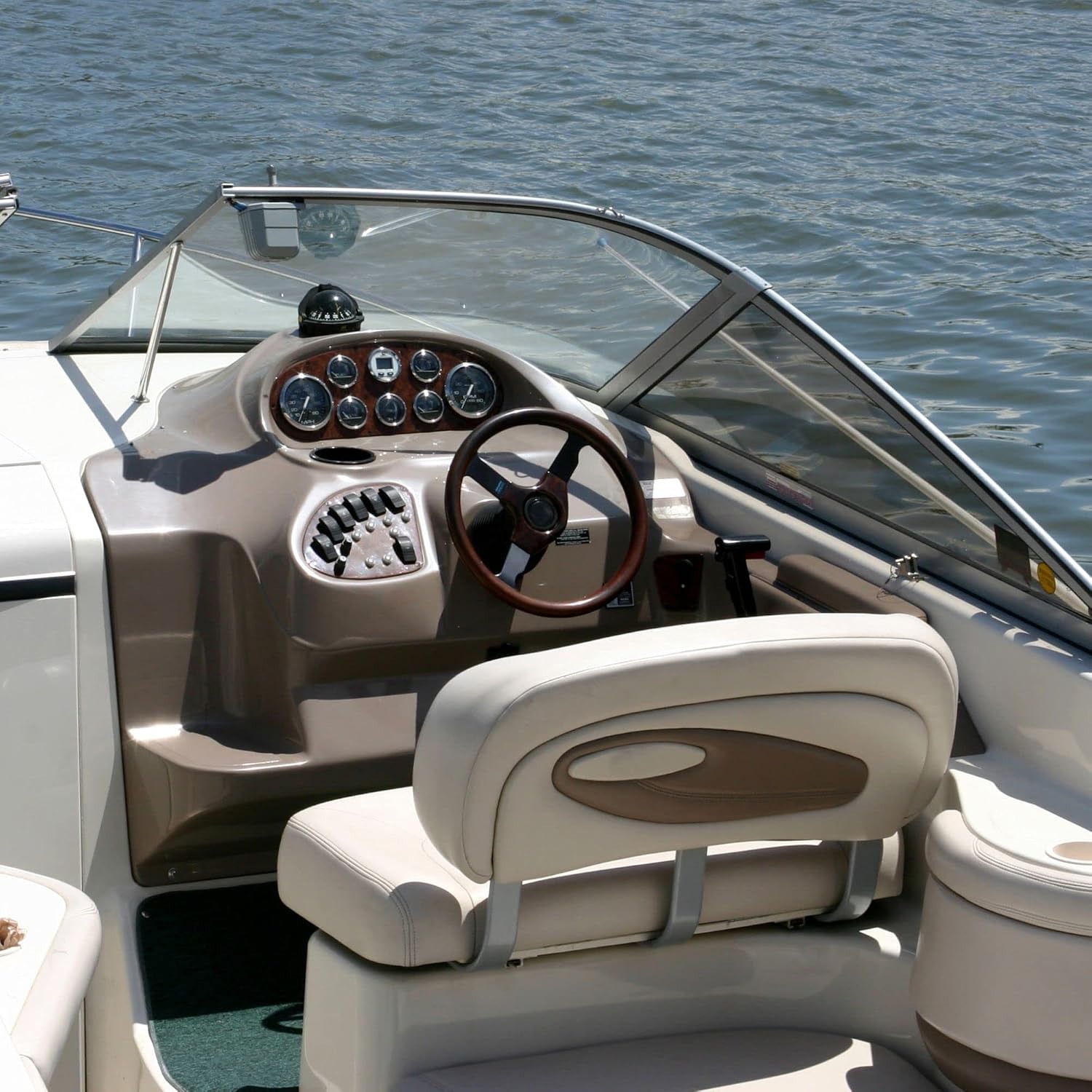
For boat cushion fabric, count all the panels before deciding how much you need. Curved corners, side sections and access openings can use more material than expected. If you are replacing an old cover, it may help show how the original was assembled.
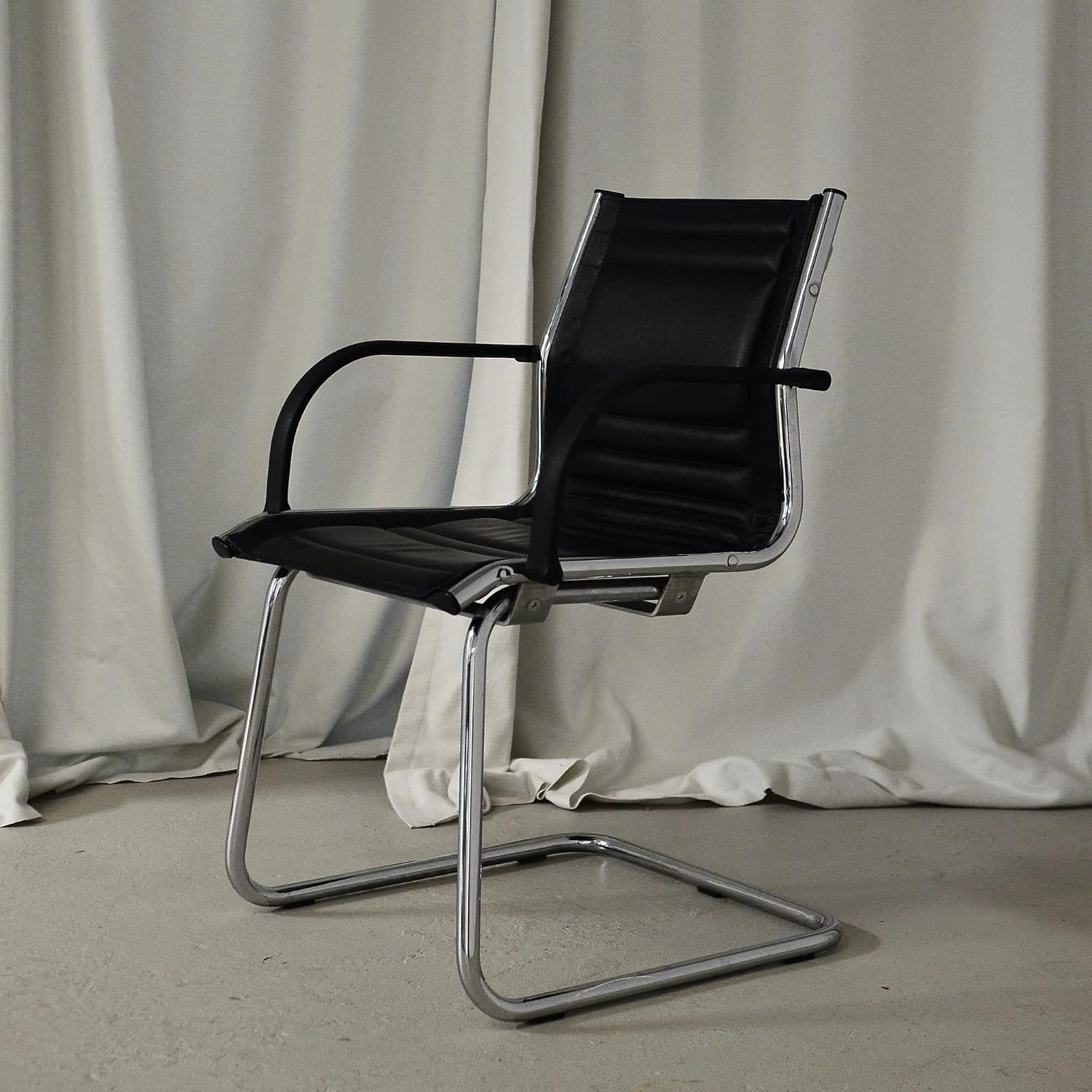
Larger furniture projects call for more planning. A chair can have several hidden fastening areas, while a sofa may need long panels that this cut cannot provide. Check the layout first rather than trying to solve a shortage after cutting.
Choose how you will attach it
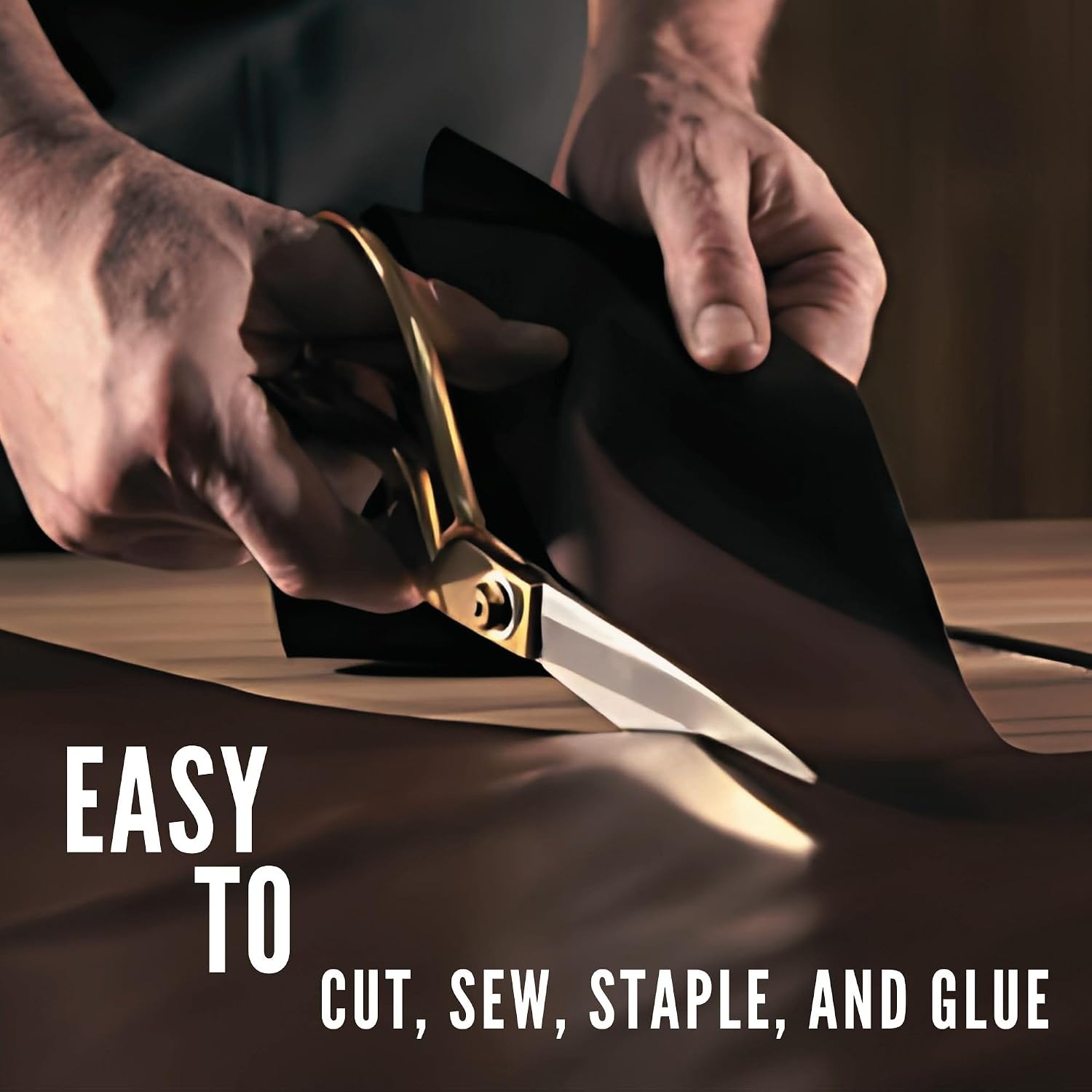
The maker lists trimming, sewing, gluing and stapling as suitable ways to work with the fabric. The right method depends on the item beneath it and the shape you need to create.
A removable cushion cover will usually involve a different construction from a fixed seat panel. A rigid base may allow a stapled edge, while a shaped cover may need sewn seams. Gluing requires an adhesive compatible with both the vinyl and its supporting surface.
Test your chosen method on an offcut. For sewing, check how the layers feed and whether the stitch holds cleanly. For adhesive, follow its directions and check the result before applying it to the visible fabric. A small trial can prevent a much larger mistake.
Plan seams, corners and fastening edges
A good fit begins before the first cut. Mark your layout carefully and keep track of which edge belongs to each panel. If several pieces look similar, a simple paper label can help you avoid mixing them up.
Corners need particular thought. Too little allowance can leave a gap, while excess material can create a bulky fold. Work out how the corner will close before cutting away spare fabric.
For a replacement seat covering, place the uncut piece over the base first. Check that it reaches every fastening edge without using up the allowance at one side. This dry fit is a chance to spot problems while you can still change the layout.
Consider your tools and experience
The maker presents the fabric as suitable for beginners and experienced makers. Even so, a simple project is a sensible place to start if you have not worked with faux leather before.
A flat upholstered panel has fewer fit issues than a cushion with curved seams and a zip. It also gives you a chance to practise handling the material without managing several construction steps at once.
If your machine or tools have limits, ask about thickness before ordering. That specification is not provided by the maker. Do not assume that a machine which handles light cloth will sew several layers of vinyl without adjustment.
Keep care practical and cautious
The product details list machine washing, but they do not provide a cycle, temperature or drying method. Confirm those instructions before putting the fabric in a machine. A finished cover may also contain thread, foam or fastenings with different care needs.
For routine attention, start with a soft cloth to remove loose dust. Test a cleaner on an offcut or hidden area before treating a visible panel. Avoid abrasive tools and strong solvents unless the manufacturer approves them.
Care is easier to plan before assembly. Think about whether the cover will be removable and how you will reach seams or folds for cleaning. Keep any care directions supplied with the actual piece for later reference.
Check the details that could change your choice
Some projects need information beyond colour and size. Thickness, backing composition and published resistance ratings are not specified by the maker. If any of these decide whether the material will work, ask before purchasing.
There is also conflicting colour wording in the maker material. The product details identify black, while some promotional text says navy. Confirm the colour if matching a room, boat interior or existing cushion is important.
Check our current terms before booking upholstery work or buying supplies around a fixed date. Inspect the fabric before cutting or altering it so you can raise any concern while it is still unused.
The short version
This black faux leather fabric is a single ready-cut piece for upholstery and crafts. It offers several working methods and is listed for boat seats, cushions, furniture and headboards.
Choose it by the project rather than the name alone. Confirm the usable size and colour, allow for every seam and fastening edge, and ask about any missing specification your job depends on. A careful layout and a small offcut test are useful first steps toward a tidy finished covering.