
The complete guide
A Buyer's Guide to Pre-Cut Cotton Patchwork Squares
Start with the project, not the cutting
A small sewing idea can turn into a long session of measuring and cutting before the first stitch. That is especially true when you want lots of different prints but only need a little of each one. Buying larger pieces for every colour can leave you with more fabric than your project needs.
Pre-cut patchwork squares offer another starting point. This bundle contains 150 cotton pieces, each listed as 4 x 4 inches, or approximately 10 x 10 cm. You can begin by laying out colours and trying combinations.
The key is choosing a project that suits small pieces. These squares are useful building blocks, but they are not large fabric panels or a complete sewing kit. A little planning helps you decide whether their size and random assortment fit what you have in mind.
What this bundle gives you
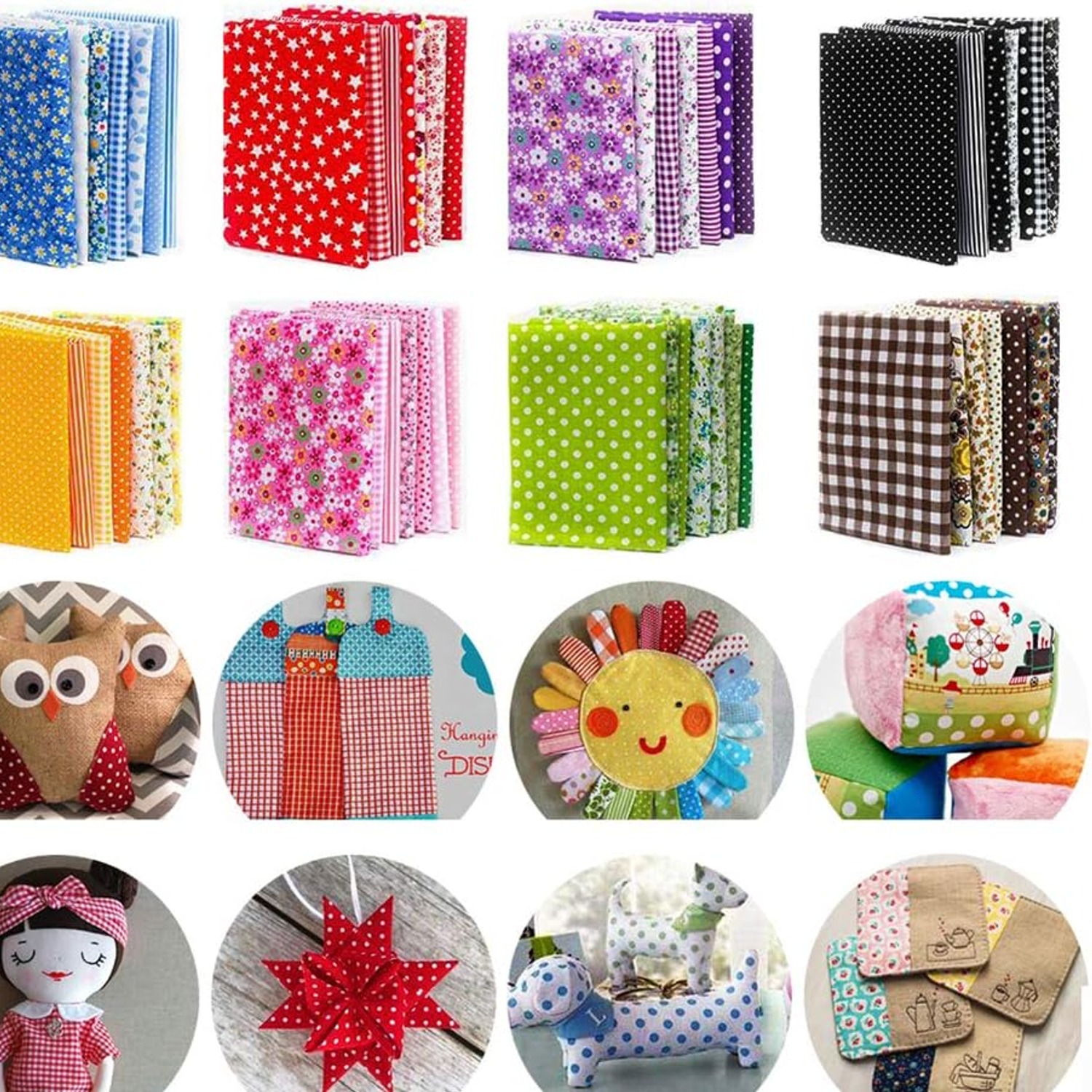
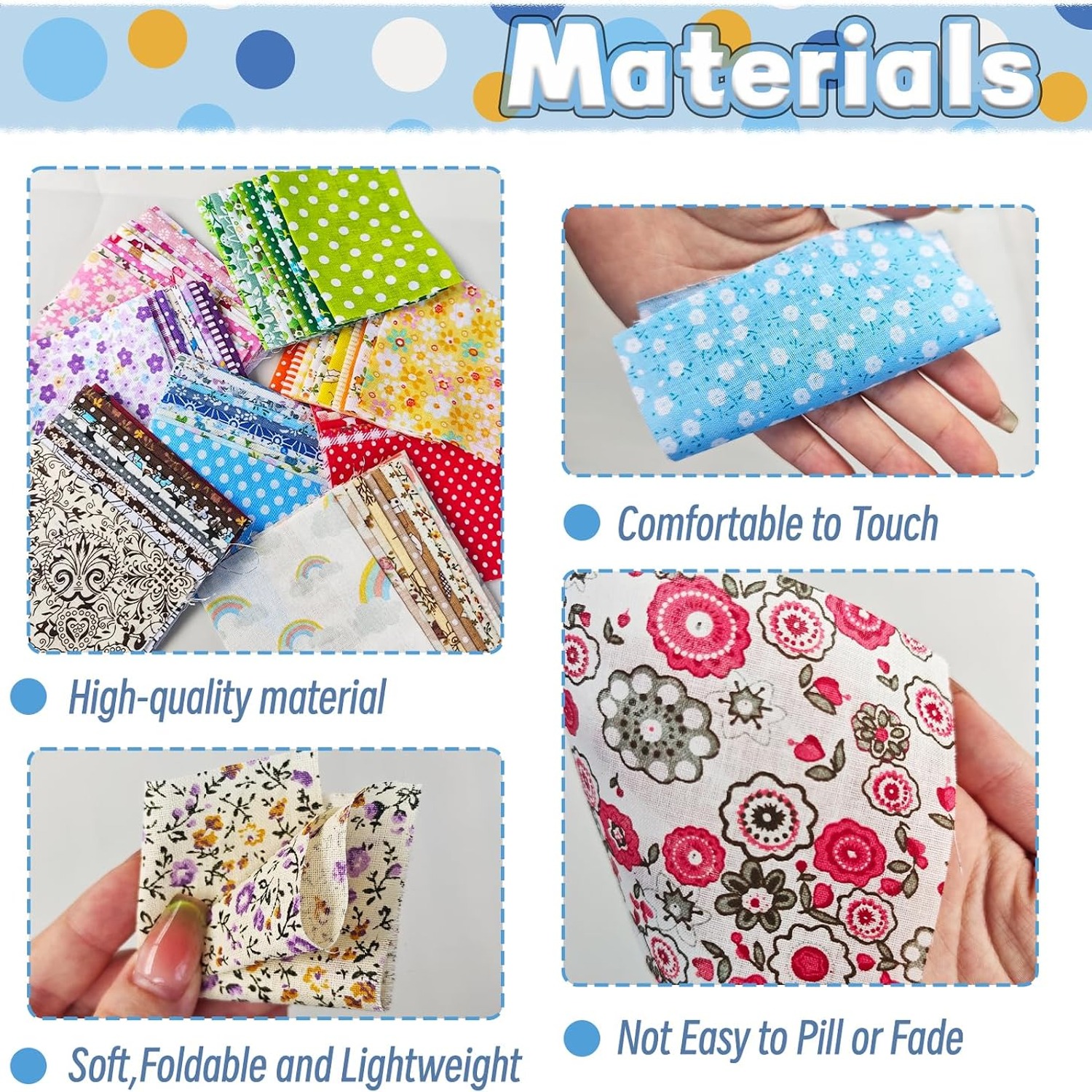
The maker describes 100% cotton fabric with a plain weave. There are more than 50 random printed patterns spread across the 150 pieces. The assortment is multicoloured, with polka dots named in the product details.
That variety is part of the appeal. You can place contrasting prints beside one another, group similar colours or let the mix guide a scrappy design. There is no need for every piece to match closely for the finished work to feel considered.
However, random means you should stay flexible. The exact prints and number of repeats are not specified. If your pattern needs a set number of identical squares, or a tightly controlled colour scheme, a known print collection or fabric cut from yardage may be a better choice.
Understand the size before you sew
The maker uses both four inch fabric squares and approximately 10 cm squares to describe the pieces. Those measurements are close, but they are not exactly the same. For precise patchwork, measure the actual pieces rather than relying on a rounded conversion.
Seams also change the finished size. When you join two squares, some fabric sits inside the seam instead of remaining visible on the front. A panel made from a row of squares will therefore be smaller than their combined unsewn widths.
Before planning a whole quilt, sew a small sample using your chosen seam allowance. Measure it after pressing. That gives you a practical basis for working out a larger layout and helps you spot any adjustments early, while they are still easy to make.
Choose a manageable first project
For a first attempt, a small pieced panel can be more useful than a large quilt. You get to practise arranging prints, keeping seams even and joining rows without handling a large amount of fabric at once.
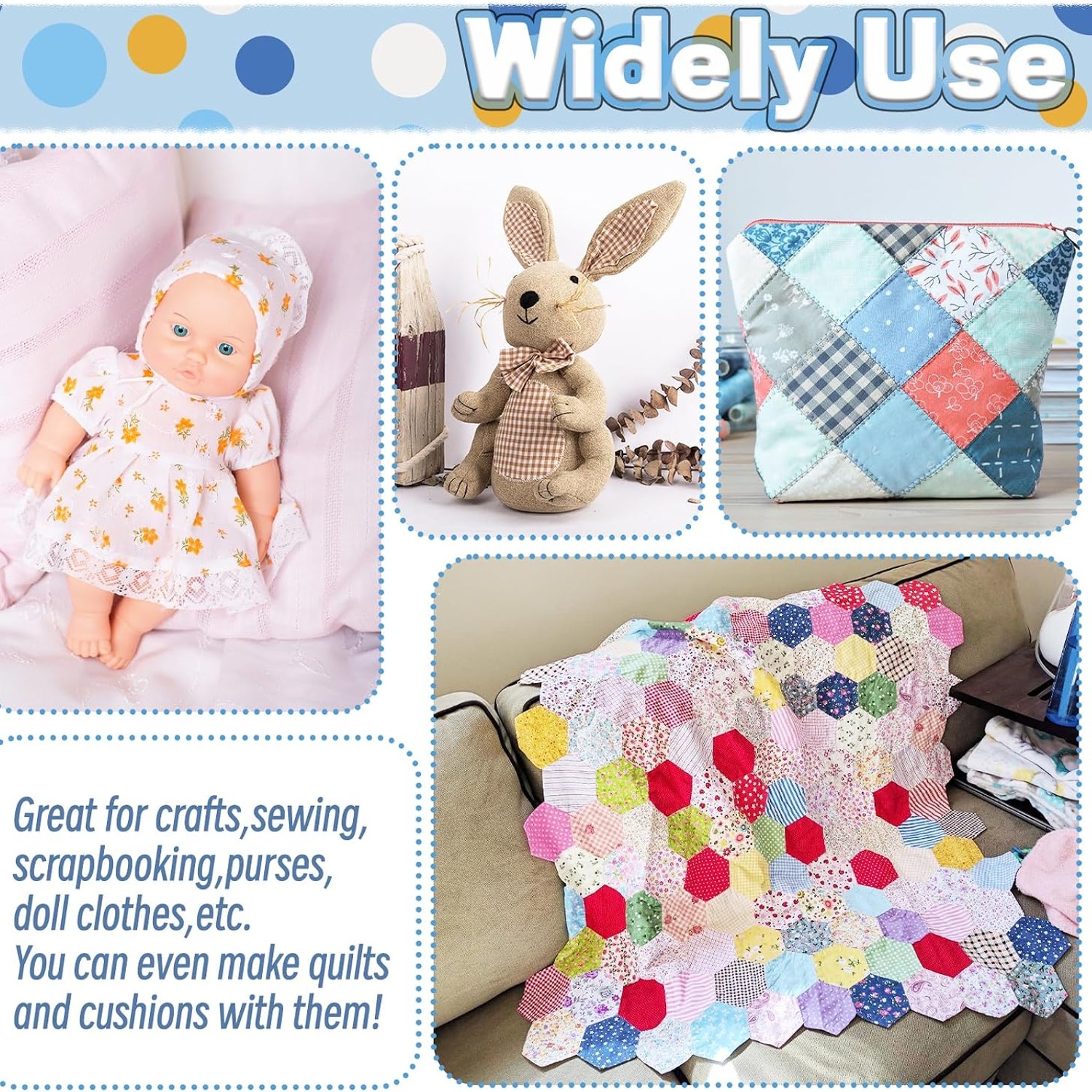
A panel could later become part of a pouch, cushion cover or decorative project. The finished item will need a suitable pattern and any extra materials that pattern calls for. For example, a cushion cover needs more than a handful of joined squares, and a pouch may need a zip and lining.
If you are choosing beginner sewing fabric, look at the whole task rather than the fabric alone. A simple design with straight seams gives you room to learn. Detailed shapes and tiny seam allowances can add difficulty even when the pieces start out pre-cut.
Plan a quilt without guessing
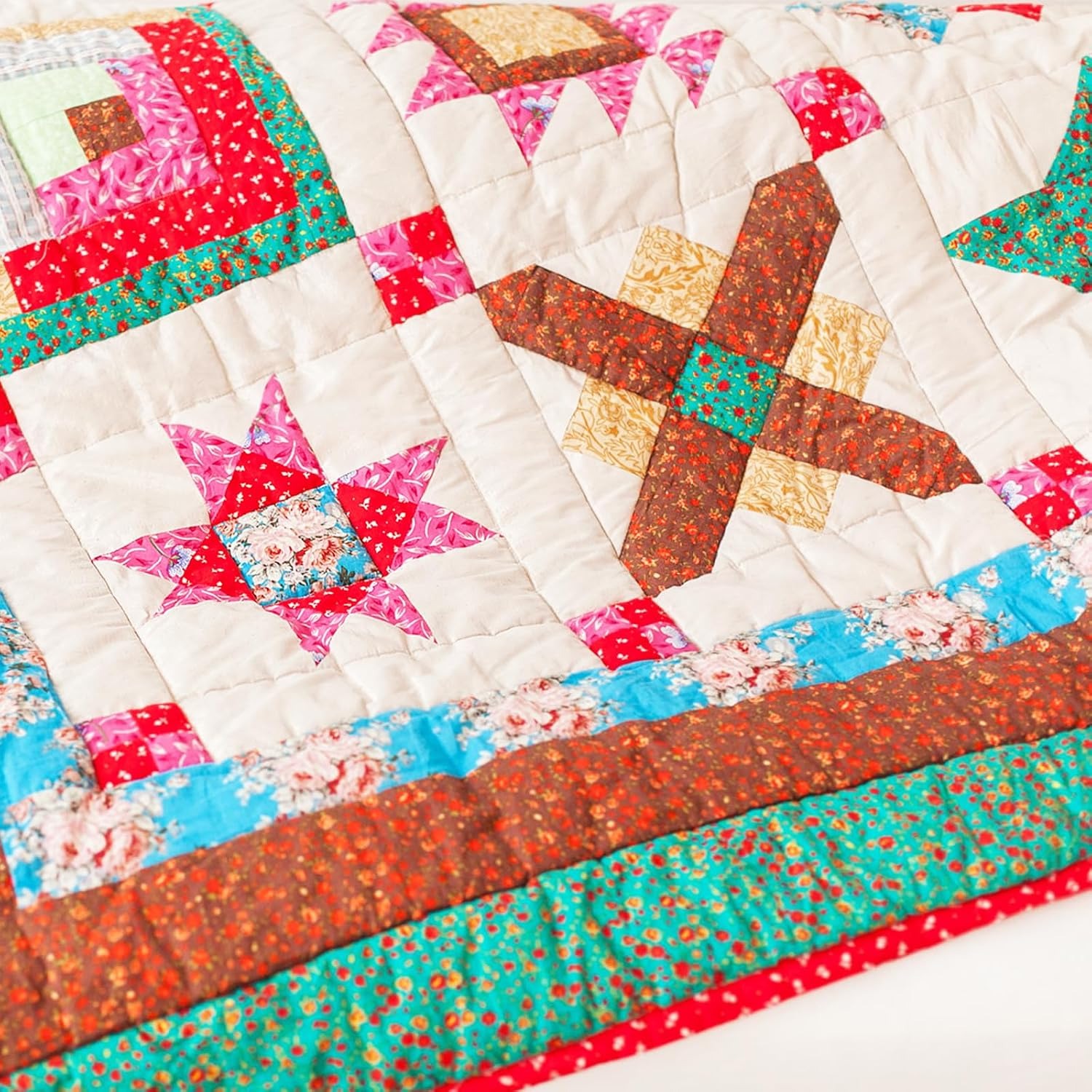
Cotton quilting squares can form a quilt top, but the piece count does not tell you the final quilt size on its own. Your layout, seam allowance, borders and any trimmed pieces all affect the result.
Sketch your rows and columns before sewing. Decide whether every square will be used whole or whether some will be cut into smaller shapes. Keep a few pieces aside while testing your plan, especially if you are trying a new technique.
You will also need to think beyond the top. A finished quilt usually needs backing, batting and an edge finish. These are not listed as part of this bundle. Choose them to suit your pattern and intended use rather than assuming the fabric assortment supplies everything.
Make a random mix feel intentional
A varied patchwork fabric bundle can look busy in a pile but much clearer when spread out. Start by laying the squares on a clean table or another surface where you can see the whole arrangement.
Sort in a way that helps your design. You might separate lighter prints from darker ones, or pull together pieces with a shared colour. You do not need to use every print in the same project.
Take a photo of a layout you like before moving it. A picture can help you return pieces to their places once you start stitching. It also lets you compare two arrangements without keeping both laid out at the same time.
If a few squares feel out of place, save them. Small leftovers can become useful accents in a later project.
Think beyond quilts
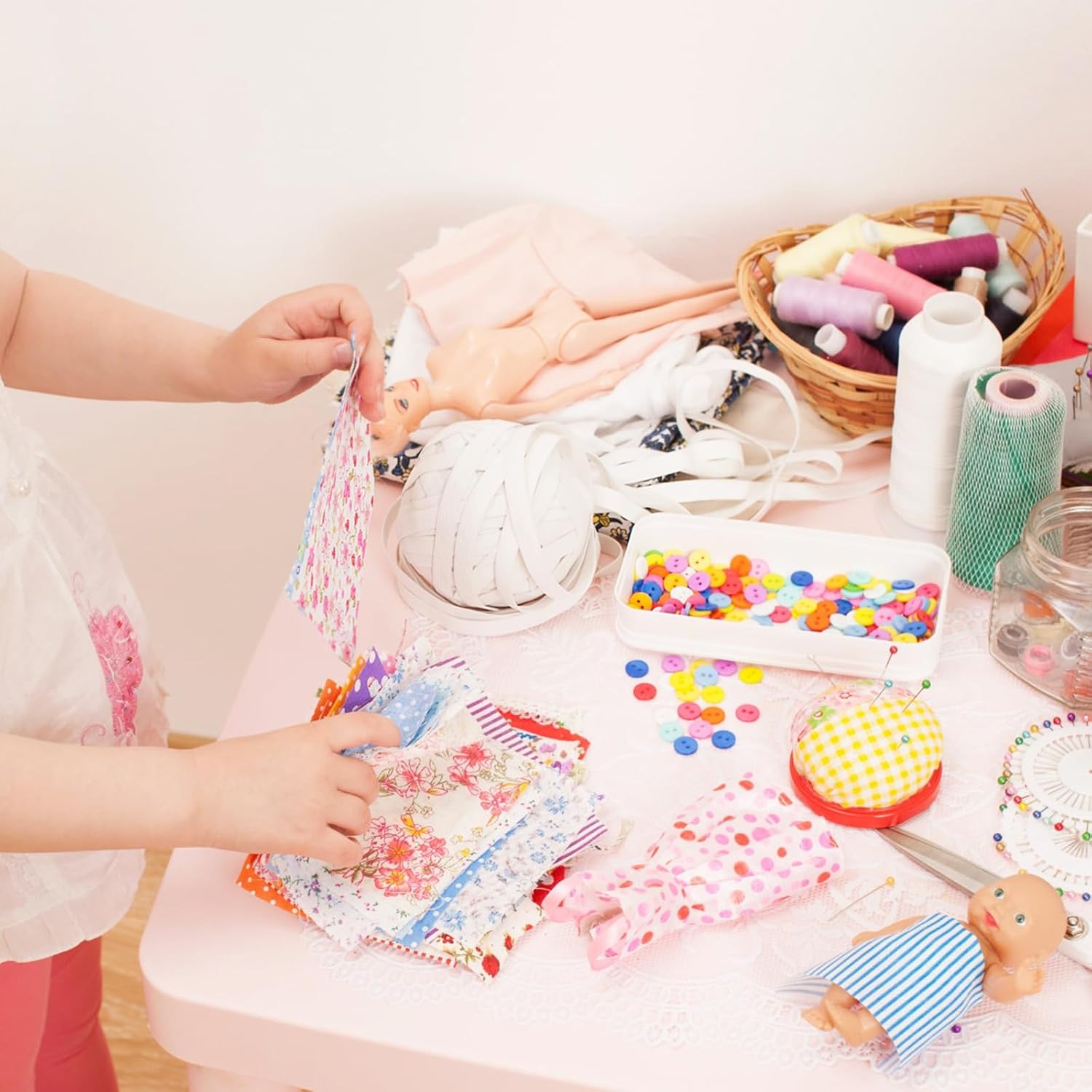
Small fabric squares suit projects where the pattern pieces fit within their edges. Doll clothes fabric is one example, though you should check the size of each garment piece before cutting. A skirt panel may fit where a larger sleeve or dress front does not.
The maker also suggests small bags and coin purses. When choosing fabric for coin purses, remember that the outer fabric is only part of the build. A closure, lining or added structure may be needed, depending on the design.
Cotton applique fabric is another use for small printed pieces. You can cut shapes for a larger background, leaving enough fabric for the edge treatment you plan to use. Test the shape and placement before making the final cut.
Know when to choose larger fabric
Pre-cut quilting fabric saves some preparation, but it also sets limits. Once a piece is cut to a small square, it cannot provide a larger unbroken panel.
If you want a smooth, single-print cushion front or a garment section with no patchwork seams, buy fabric sized for that purpose. Joining these squares will create seams and a mixed-print appearance.
Likewise, a project that depends on matching prints across a wide area may not suit a random bundle. This assortment makes more sense when variety is welcome. It gives you pieces to combine, rather than a guaranteed repeat of one chosen design.
Prepare your fabric and tools
Before sewing, check the count and look through the pieces. Measure several squares and compare any that will sit together in a precise block. If your pattern needs a consistent size, decide whether trimming is needed before you begin joining rows.
Gather the tools your project requires. Thread, needles, scissors and measuring tools are not listed as included. You may also need pins or clips, plus a way to press seams.
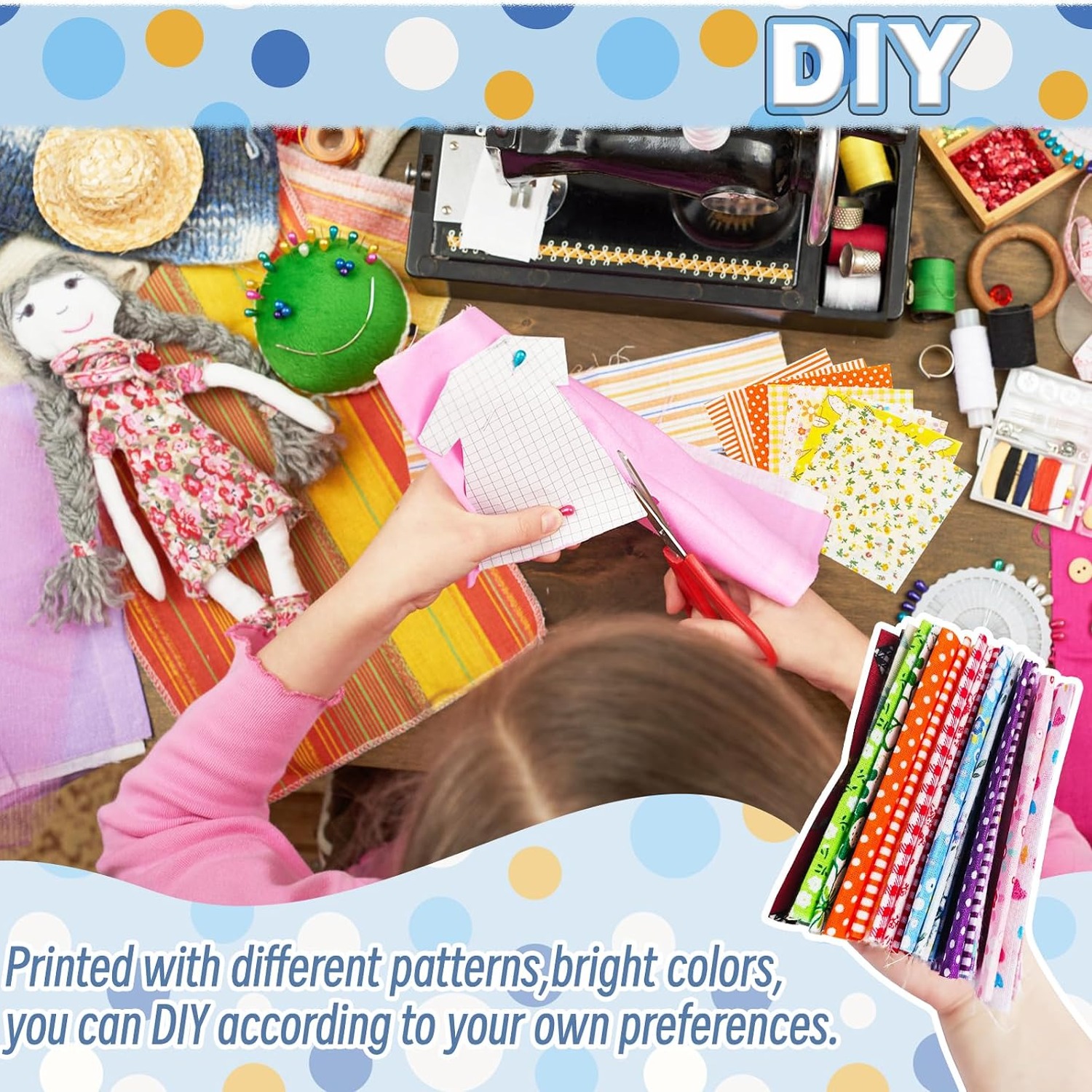
For school sewing supplies, match the activity to the learners. An adult can prepare steps that involve sharp tools or heat, while children work on arranging colours or supervised stitching. The maker's description does not provide an age recommendation or child-safety certification.
Wash and press with care
The stated care instruction is hand wash only. Do not assume the fabric is suitable for a machine cycle simply because it is cotton.
Whether to prewash depends on your project and its future care. If you choose to wash before sewing, try a spare piece first. The maker does not provide a shrinkage rate or colourfastness result, so a small test is more useful than a guess.
Handle wet pieces gently and allow them to dry fully. Check their size again before returning them to a precise layout.
The maker describes the fabric as suitable for ironing. Start with a spare piece, use a setting suitable for cotton and follow any directions supplied with the bundle. Pressing as you work can help you see how seams sit before you join more sections.
Choose a thoughtful sewing gift
A fabric assortment can be a useful gift for someone who enjoys experimenting with prints. It gives them choices without deciding the whole project for them.
Think about how the recipient likes to sew. Someone who makes scrappy panels or small accessories may welcome the variety. Someone who follows patterns built around one exact fabric collection may prefer a more controlled selection.
For fabric for handmade gifts, choose the project first and make a short supply list. That helps you avoid reaching the finishing stage without a lining or closure. Keep care information with the finished item so the recipient knows how to look after it.
The short version
This 150-piece bundle suits small patchwork, sewing practice and craft projects that welcome mixed prints. Its main strengths are the pre-cut format and the range of randomly assorted patterns.
Check the actual square size, allow for seams and plan any extra supplies before starting. Expect an assortment rather than specific prints, follow the hand-wash-only care instruction and begin with a small sample if precision matters. That is a sound way to turn a pile of cotton squares into a project you enjoy making.