
The complete guide
Choosing White 18 Count Aida Cloth for Your Next Project
A cross stitch project can go wrong before the first stitch if the fabric is too small or the count is hard to work with. A beautiful chart still needs the right base. You need room for the whole design, space around it for finishing, and a grid you can see comfortably.
This white Aida cloth offers an 18 count grid in a large piece. It gives you a starting point for detailed pictures, samplers and smaller stitched gifts. Before choosing it, take a few minutes to check your pattern, work out the finished size and think about how you like to stitch.
What 18 count Aida means
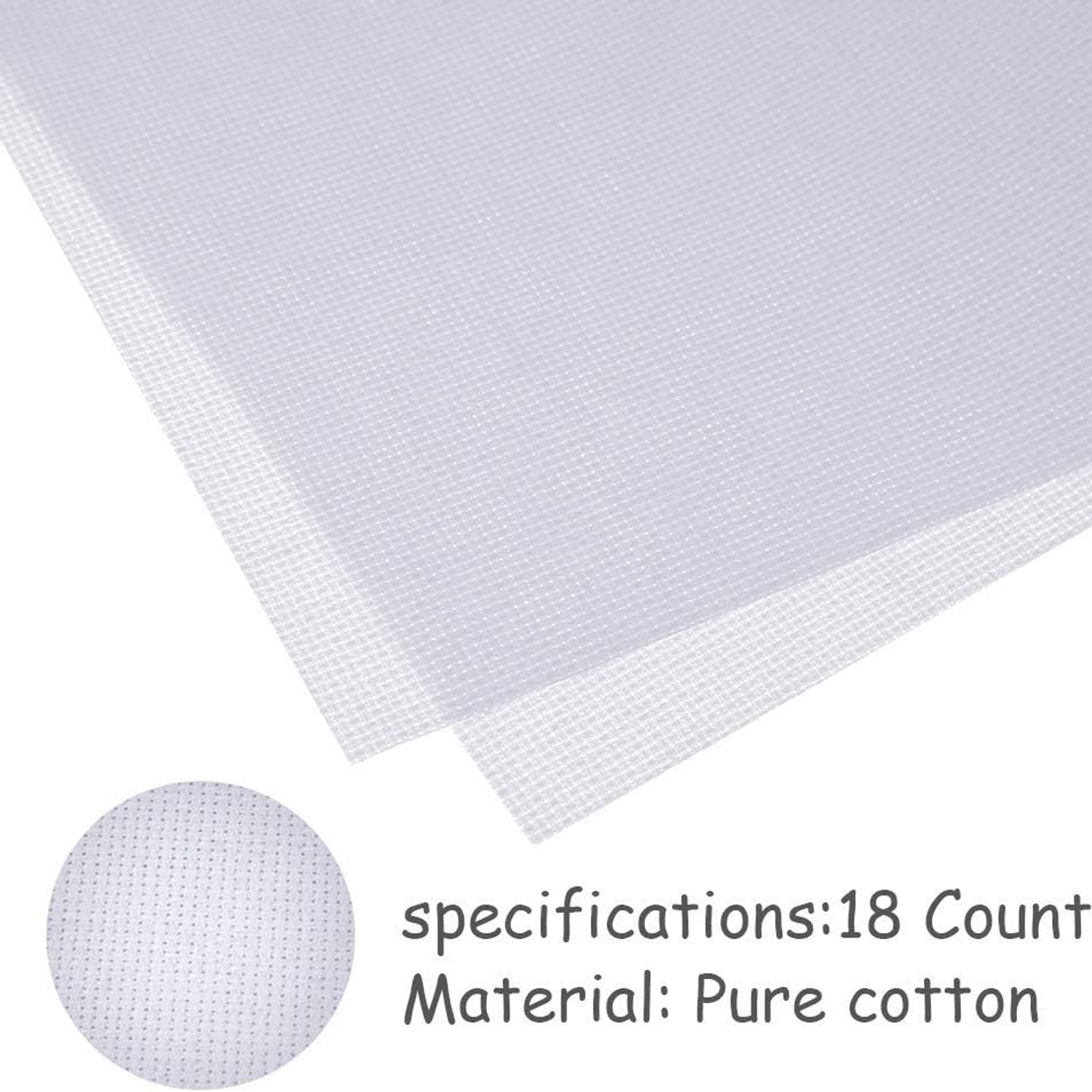
Aida has a regular grid that helps you place counted stitches. Rather than drawing every part of a design onto the cloth, you follow a chart and count the spaces. Each cross usually covers one grid square.
On 18 count Aida, that standard method gives you 18 stitches per inch. The spaces are smaller than on 14 count fabric. That means the same chart will take up less room when stitched on 18 count.
This is worth checking even when a pattern looks familiar. Changing the fabric count changes the finished size, not the number of stitches you need to make. It may also change how much thread coverage you prefer.
Fine count Aida suits people who enjoy a compact result and feel comfortable working with smaller grid spaces. Good lighting matters. If you struggle to see the holes clearly, consider whether a lower count would make the project more enjoyable.
What this particular cloth offers
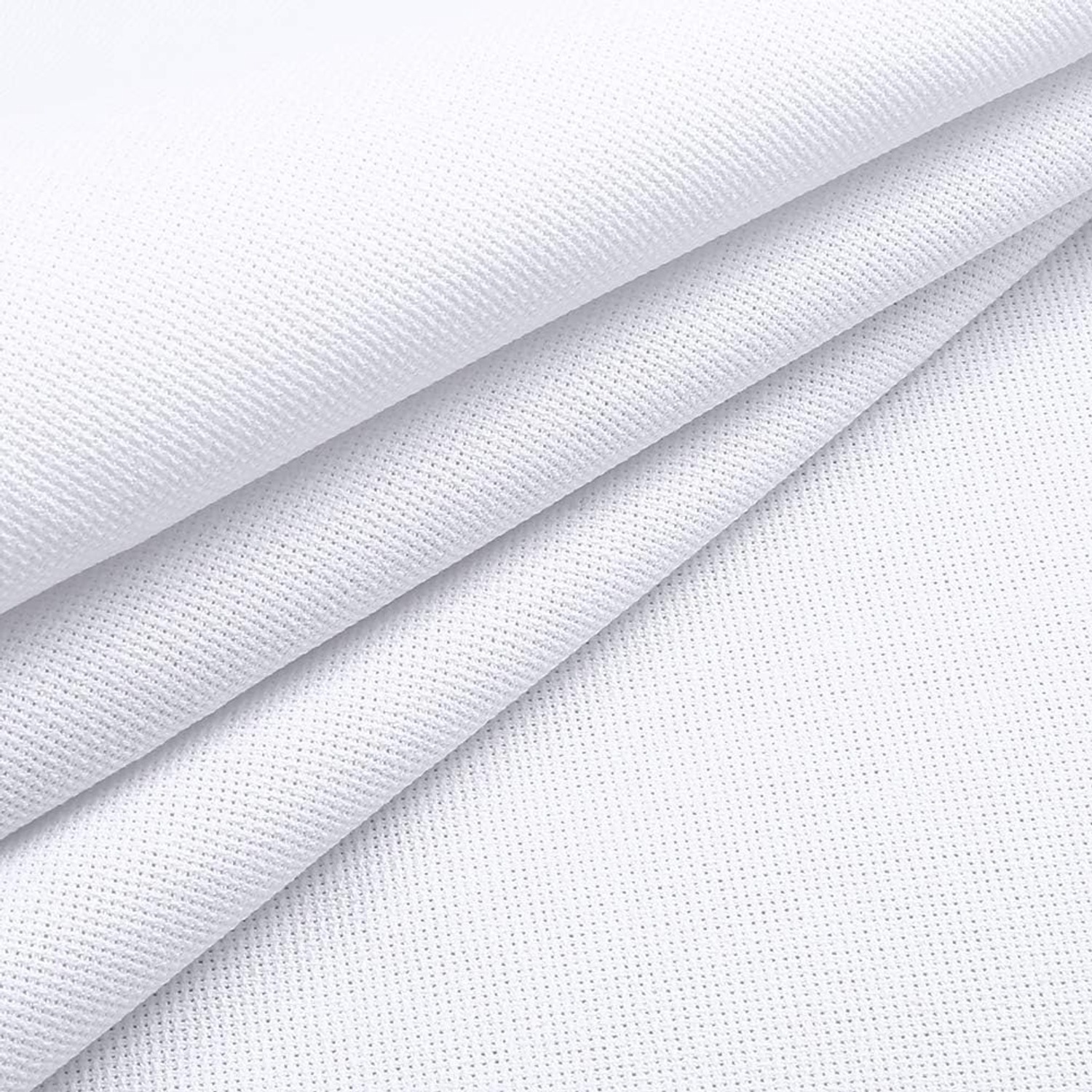
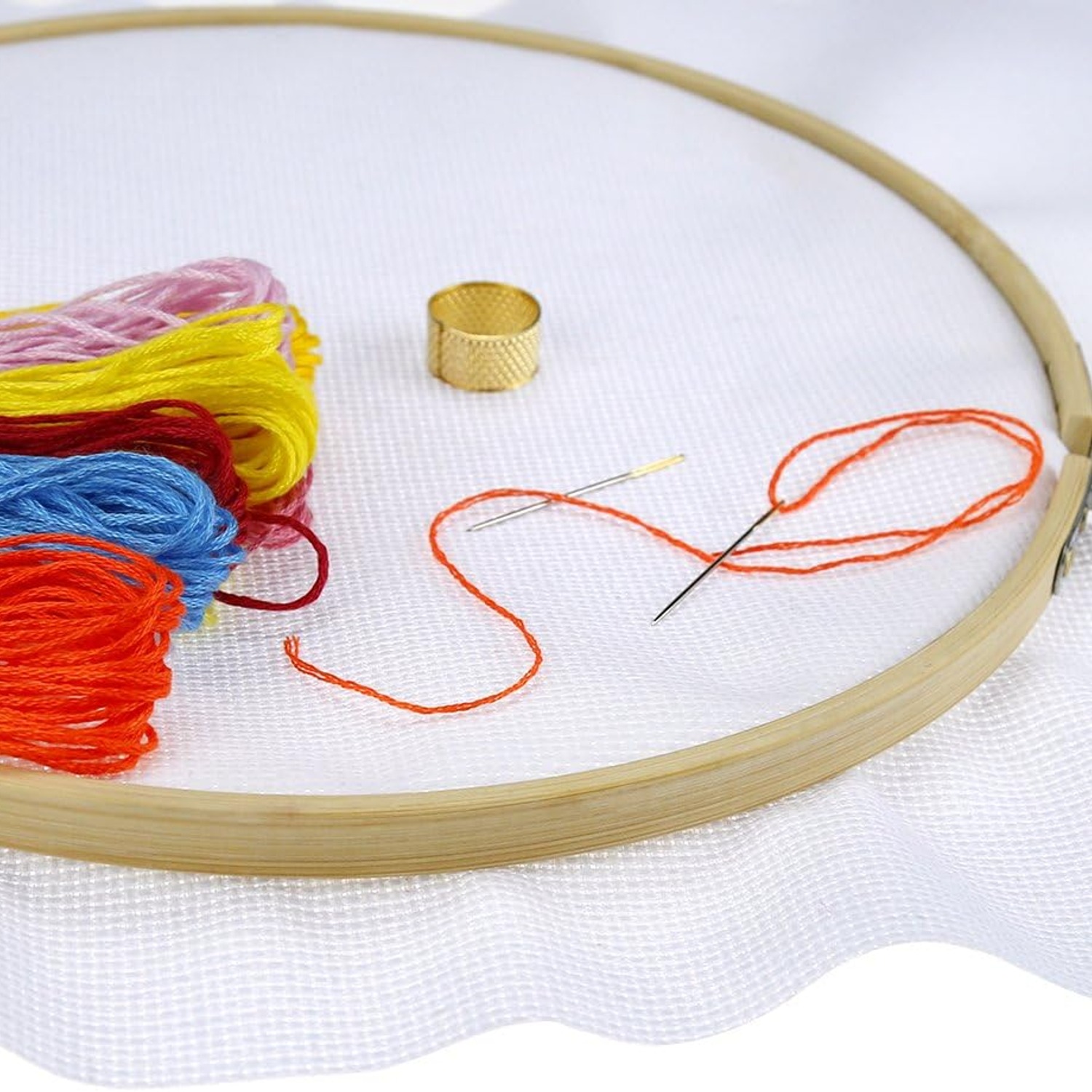
The product details describe white cotton Aida with a plain weave and solid colour. The maker also describes a starched feel. That can be useful to know if you prefer fabric with some body rather than a very soft ground.
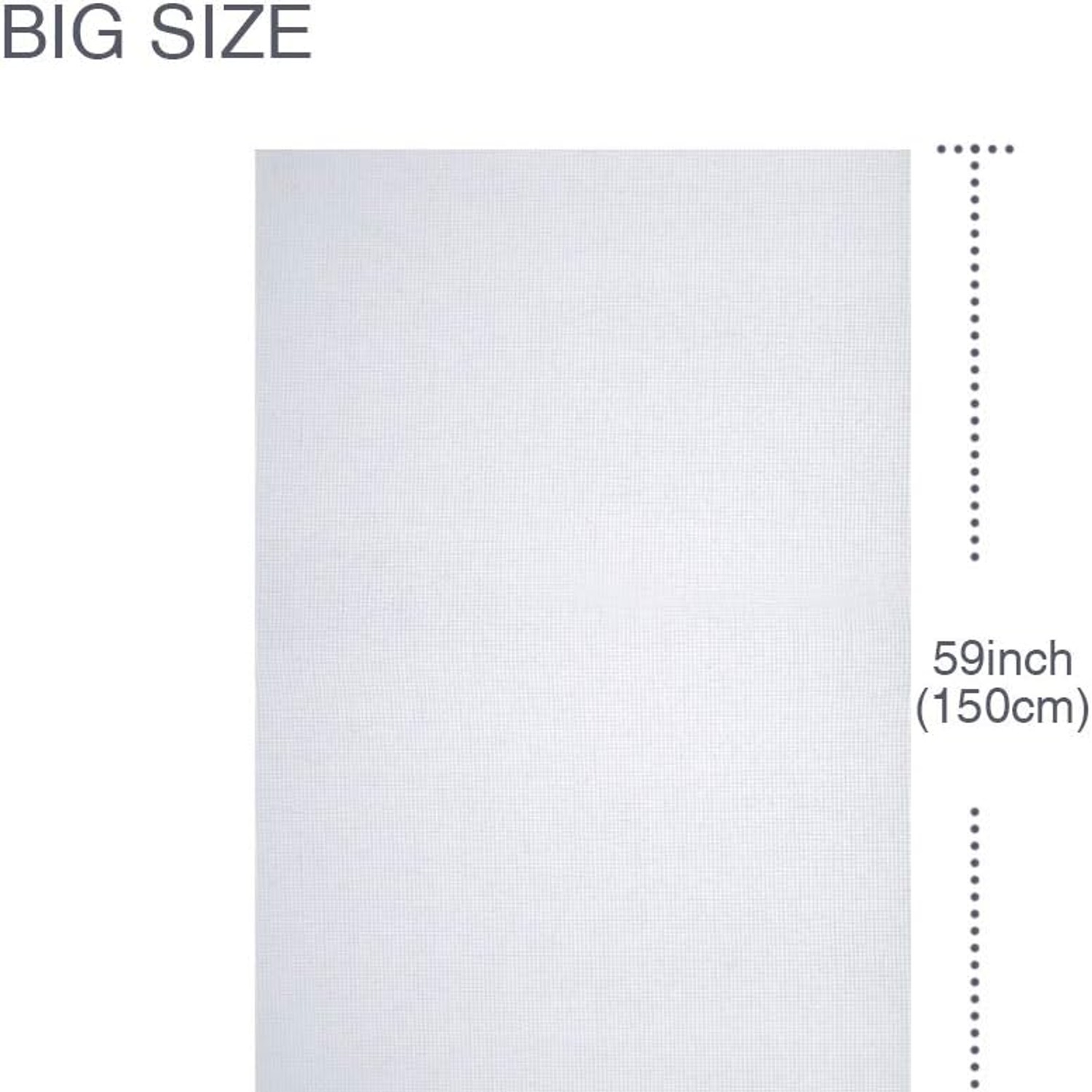
The listed dimensions are 149.9 × 99.1 cm, and the stated area is 1.5 square metres. The source also gives approximate inch measurements that vary slightly. Treat these as size guidance rather than a promise of an exact cutting layout.
There is one fabric item in the pack. Needles, thread and a chart are not specified as included, so plan your cross stitch craft supplies separately.
The larger format gives you options. You could reserve the piece for one picture or plan several smaller cuts. The number of projects it will cover depends on their size and the margins each one needs.
Work out your design size before buying
Start with the chart's stitch dimensions, not the size of its printed page. A chart that is 180 stitches wide will measure 10 inches across when worked at 18 stitches per inch. Apply the same calculation to its height.
That calculation gives you the stitched area only. It does not include the blank fabric around the design.
You will need extra cloth for holding the work, protecting the edges and finishing it. A framed picture may need a different allowance from a small ornament or a sewn project. Decide on the finish before making a cut.
Write down the full fabric size required, including those margins. Compare both dimensions with the listed cloth size. Area alone is not enough, because a long, narrow design needs a piece with the right shape.
Once the fabric arrives, measure it again. This simple step is especially important when a listing uses approximate measurements.
Choose white with the finished design in mind
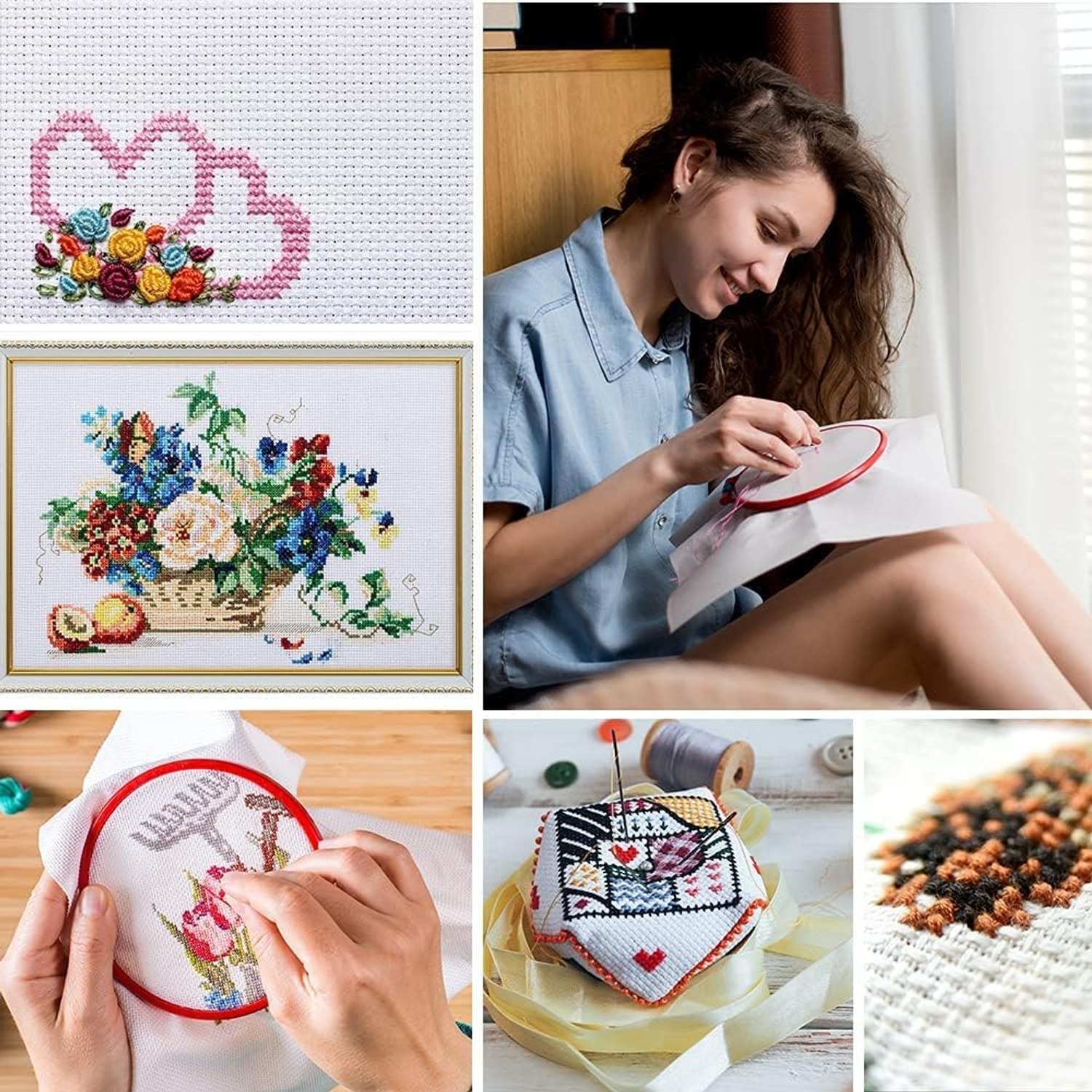
White Aida cloth gives coloured thread a plain background. It can suit bright motifs, lettering and designs where areas of unstitched fabric remain visible.
Think about the lightest parts of your pattern. White stitches on white cloth may have a subtle effect, while pale shades can look different from the same shades on a darker ground. Use your chart's recommended background as a starting point.
If you are changing the fabric colour suggested by a designer, lay out your threads against the cloth before stitching. Look at them in the light where the finished work is likely to be seen.
A small test patch can answer questions that a screen image cannot. It lets you judge the background, coverage and stitch size together before committing to the full design.
Who will enjoy working on this count?
This counted cross stitch fabric is worth considering if you want a finer grid and have a chart that works well at 18 count. It can also suit someone who wants a familiar design to finish at a smaller size.
Beginners can use it, but the smaller holes deserve some thought. The best Aida cloth for beginners is the one they can count and stitch without strain. A simple design can help make a finer count feel more manageable.
Experienced stitchers should still check the pattern instructions. Some charts include fractional stitches or other details that need extra planning on Aida.
For a gift, ask about the recipient's preferred count. A large piece of cotton cross stitch fabric may be useful, but personal preferences matter more than the size of the bundle.
Plan your cuts on paper first
A large piece can feel generous until several projects all need borders. Sketch a cutting plan before reaching for the scissors.
Mark each project's full fabric size, including its finishing allowance. Try different layouts and check whether any remaining sections will be useful for smaller motifs. Do not assume every spare strip will suit another design.
Keep the grid direction in mind as you measure. A straight cut is easier to plan when you follow the woven structure rather than a fold that may not be square.
After cutting, protect the edges with a method suited to your project. Leave enough space that any edge treatment stays clear of the final stitched area and finishing line.
For cut to size Aida cloth projects, careful planning is usually more useful than trying to save the smallest possible margin.
Match the thread and tools to the cloth
Your pattern is the first place to look for thread guidance. If it gives instructions for another count, check whether it also explains how to adapt them.
Strand count affects both coverage and the feel of stitching. Too much thread can make the holes crowded. Too little may leave more background visible than you want. A small sample helps you decide what suits the design.
Choose a needle that carries the thread through without forcing the grid apart. There is no needle specification in the maker's description, so select one for your chosen thread and technique.
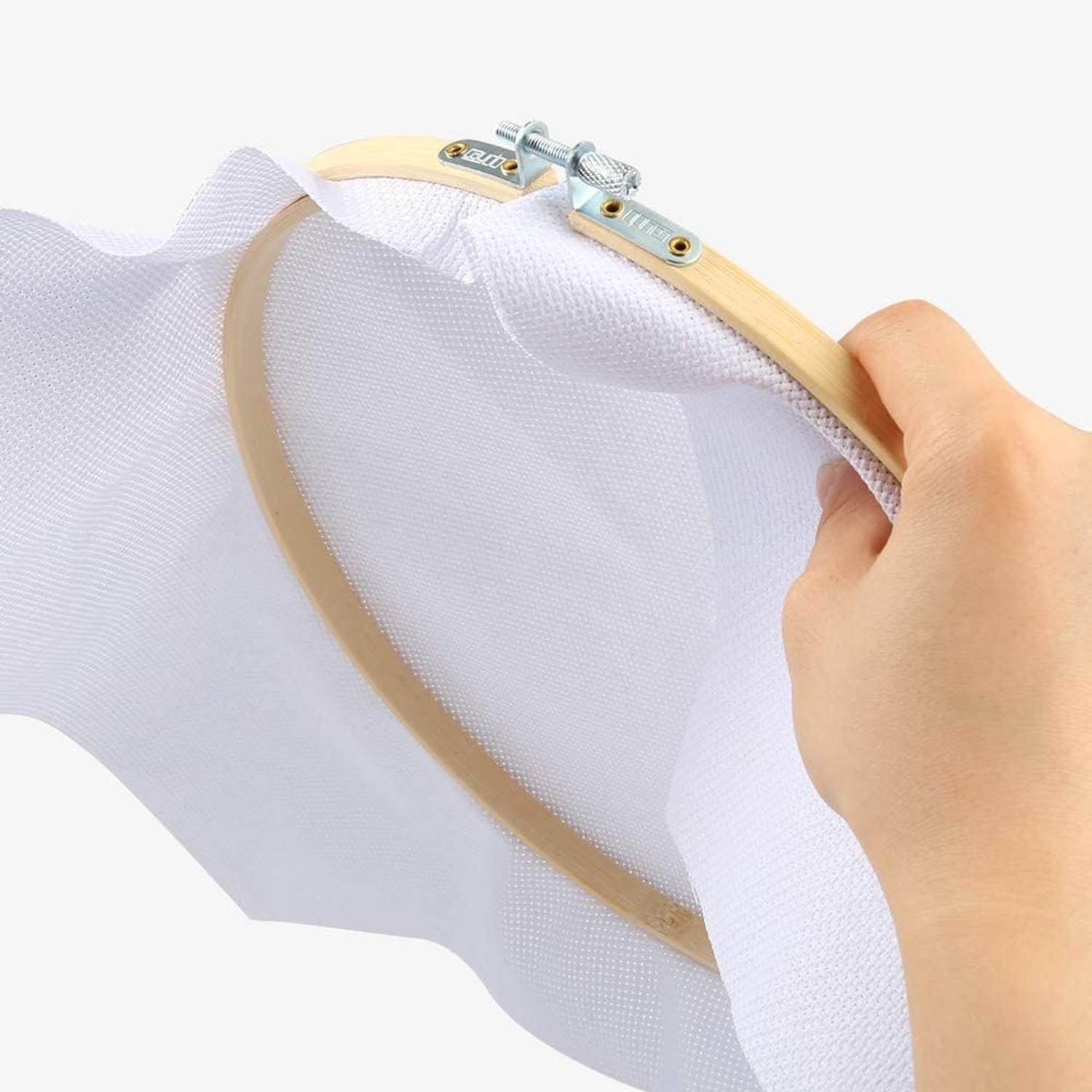
A hoop or frame may help keep the working area steady. Aim for even tension rather than pulling hard. Take a moment to check that the grid still looks square before you begin a long stitching session.
Other embroidery uses need a trial
The maker mentions hand and machine embroidery uses. That does not mean every technique will behave the same way on this cloth.
Aida's visible grid is part of its character. Counted stitches can follow that structure, while curved or dense freehand stitches may need a different approach. If your design was written for another fabric, test the main stitches first.
For machine embroidery, check your machine's guidance and the design's fabric requirements. Stabiliser, needle choice and stitch density can all affect the result.
Use a spare section for the trial if possible. It is easier to change a plan after a small sample than after cutting the main piece for a finished project.
Care for the fabric and the stitching
The listed care instruction is hand wash only. Keep that in mind when choosing the project, especially if the finished item may need regular cleaning.
Finished embroidery includes more than the fabric. Thread dyes, trims and other additions may have different care limits. Check those before washing, and do not assume that every component will tolerate the same treatment.
Handle wet work gently and avoid wringing it. If you intend to wash the cloth before stitching, remember that the maker does not give a prewashing method or shrinkage figure. Check its dry measurements before cutting.
During stitching, clean hands and a clean work surface help protect a white background. Store unused cloth somewhere dry, away from direct sunlight and items that could leave marks or transfer dye.
Check the practical details before ordering
If you are working towards a birthday or another deadline, check the delivery estimate for your destination.
It is also sensible to read the return policy before cutting or washing the cloth. Confirm the count and measure the piece while it is still unused. Raise any concerns before making changes that could affect return eligibility.
For larger projects, keep your chart measurements and cutting notes together. That makes it easier to check the fabric when it arrives and begin with a clear plan.
The short version
Choose this white 18 count Aida if your chart, eyesight and preferred finish suit a fine counted grid. Its listed large size gives room to plan, but every project still needs its own measurement check.
Calculate the stitched area, add your finishing margins and measure the received cloth before cutting. Then test your thread coverage and settle into the stitching with fewer surprises ahead.