Fabric Shop Company
Company
Shop By Category
T&Cs
Shop Online
  • Width and length on every product page
  • Free tracked Australia-wide delivery over $150
  • 14-day returns

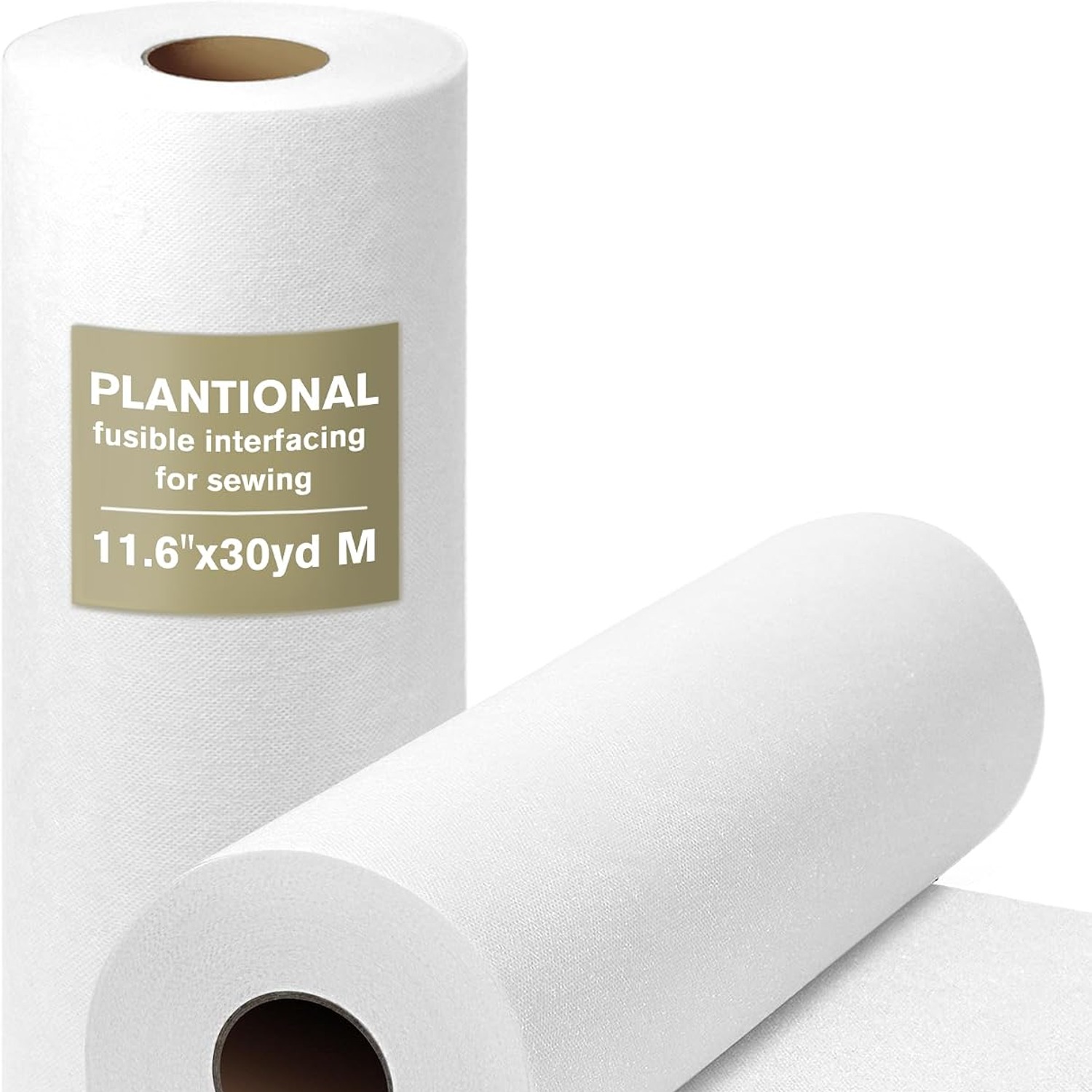
Fusible interfacing roll | Non-woven interfacing | Iron-on interfacing

Medium Weight Fusible Interfacing Roll

$40.99 $48.99 Save $8
  • Medium Weight Support
  • Heat Activated Bond
  • Long Roll Format
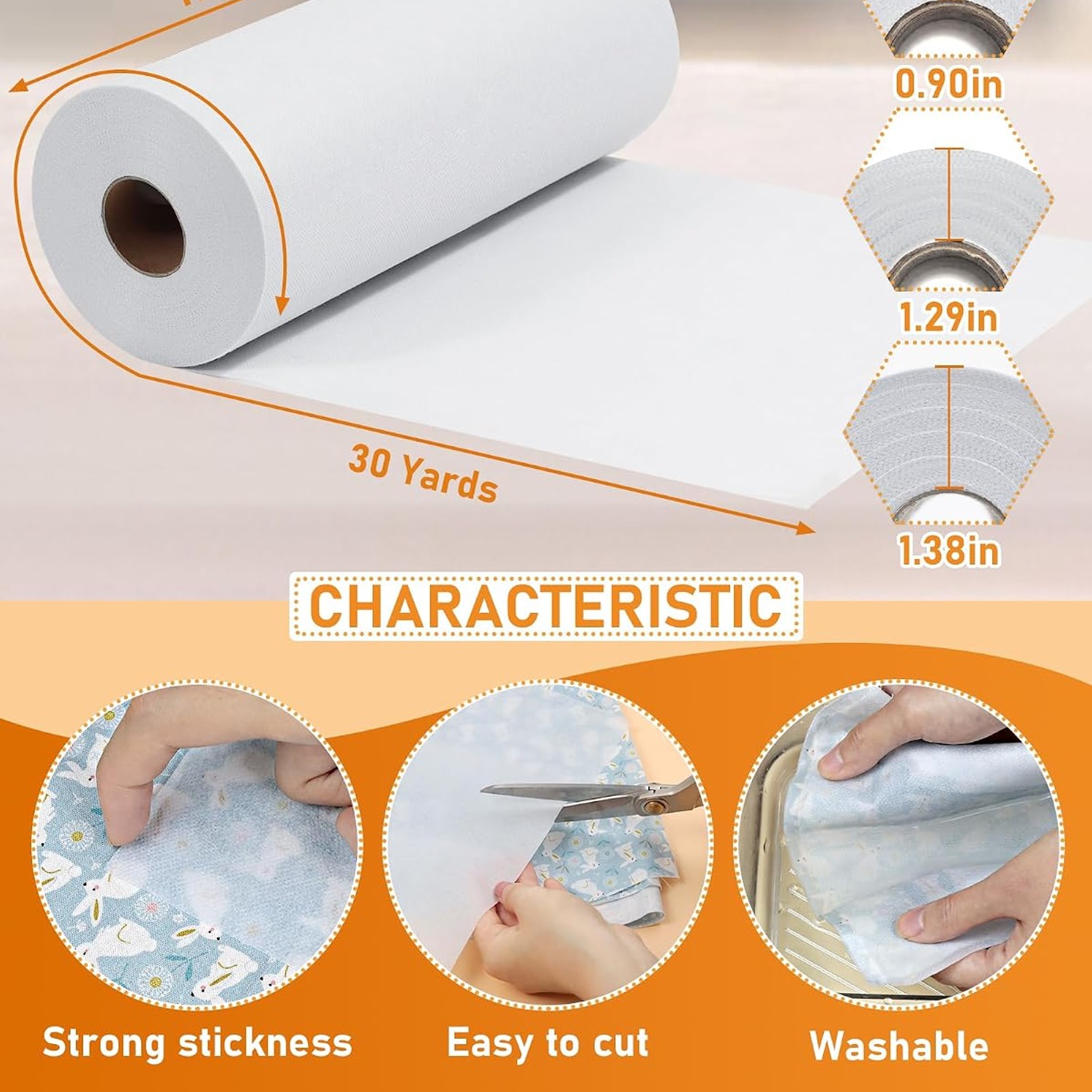
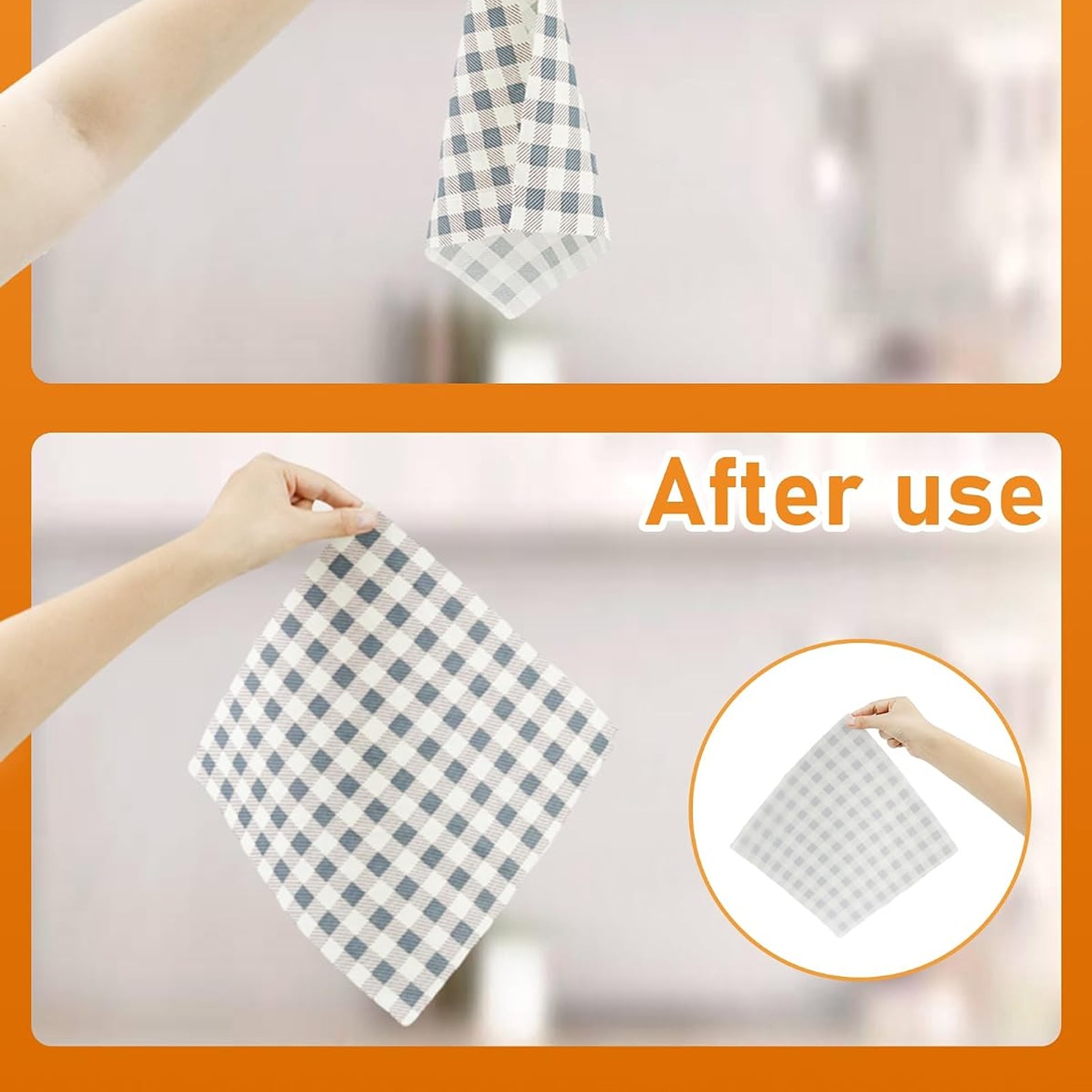
  • Washable Construction

Price: $40.99 $48.99

  • Free tracked Australia-wide delivery on orders $150+, otherwise a flat $15
  • Pay by card or PayPal, handled by the payment provider
  • 14-day change-of-mind returns from delivery. Conditions and return postage apply. Australian Consumer Law rights are unaffected. Full returns policy
Product specifications
Number Of Items1
Interfacing WeightMedium weight
ConstructionNon-woven
MaterialPolyester
ColourWhite
ApplicationIron-on
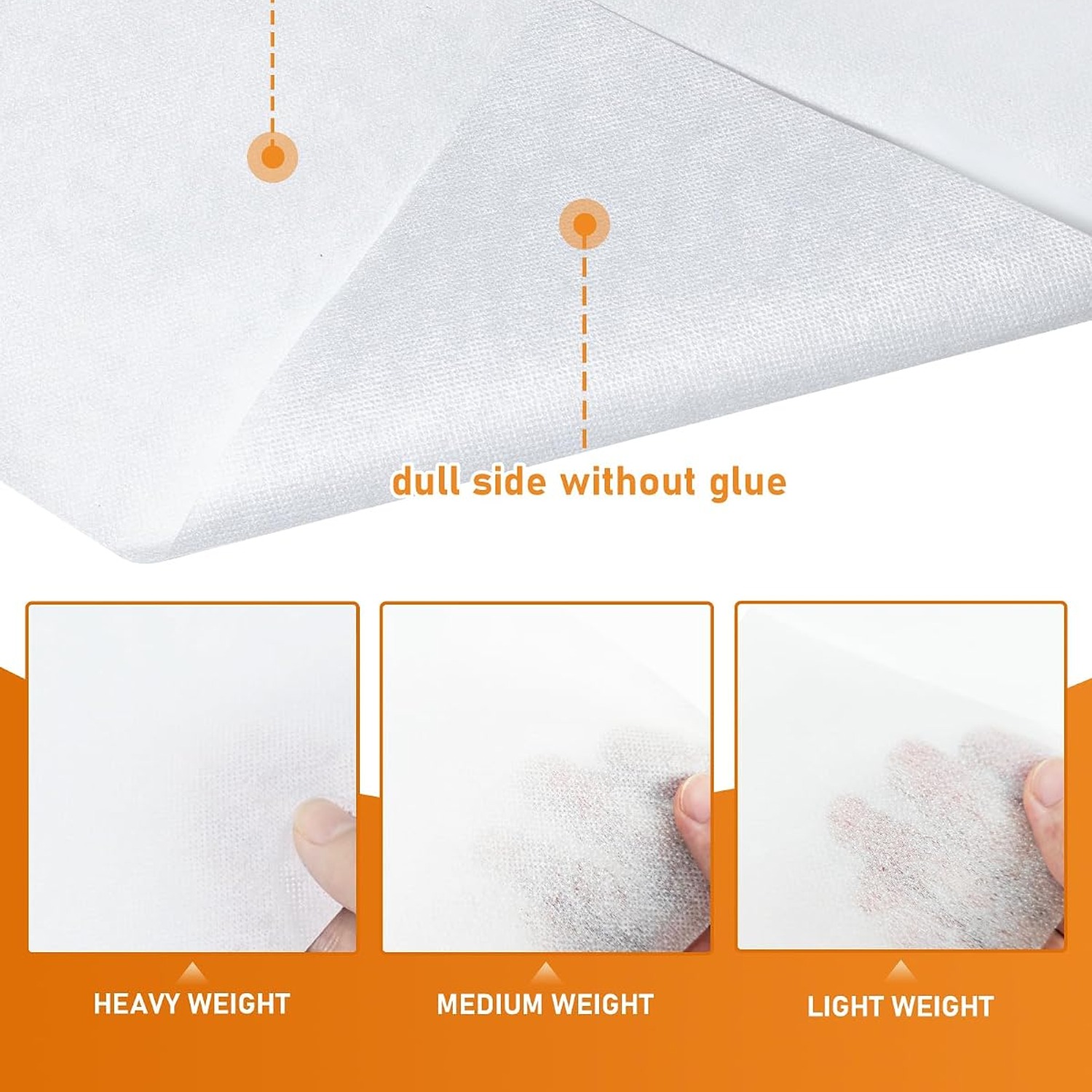
AdhesiveSingle-sided, heat-activated
Listed Roll Width11.6 inches
Listed Roll Length30 yards
CareDescribed as washable
Shipping & returns

Tracked delivery anywhere in Australia. It is free on orders of $150 or more, and a flat $15 below that.

If it is not right for you, send it back within 14 days of delivery, unwashed, uncut, unused and in its original packaging, and we refund the price you paid, including standard delivery. That is a voluntary policy we offer on top of your legal rights. You cover the cost of returning it unless the item is faulty.

If it arrives faulty, damaged or not as described, we put it right at no cost to you under the Australian Consumer Law and the Competition and Consumer Act 2010, return postage included.

Shipping details · Refunds and returns

Medium Weight SupportAdds structure to compatible garment sections and craft fabrics.
Heat Activated BondSingle-sided adhesive attaches with an iron.
Long Roll FormatThe listed 30-yard length allows cutting for multiple projects.
Washable ConstructionDescribed as washable for projects with compatible fabric care.

Give your sewing projects a more supported finish with a fusible interfacing roll.

Medium-weight non-woven interfacing with a single-sided heat-activated adhesive adds structure to compatible fabrics.

Add support to collars, cuffs, and other garment areas with medium-weight interfacing.

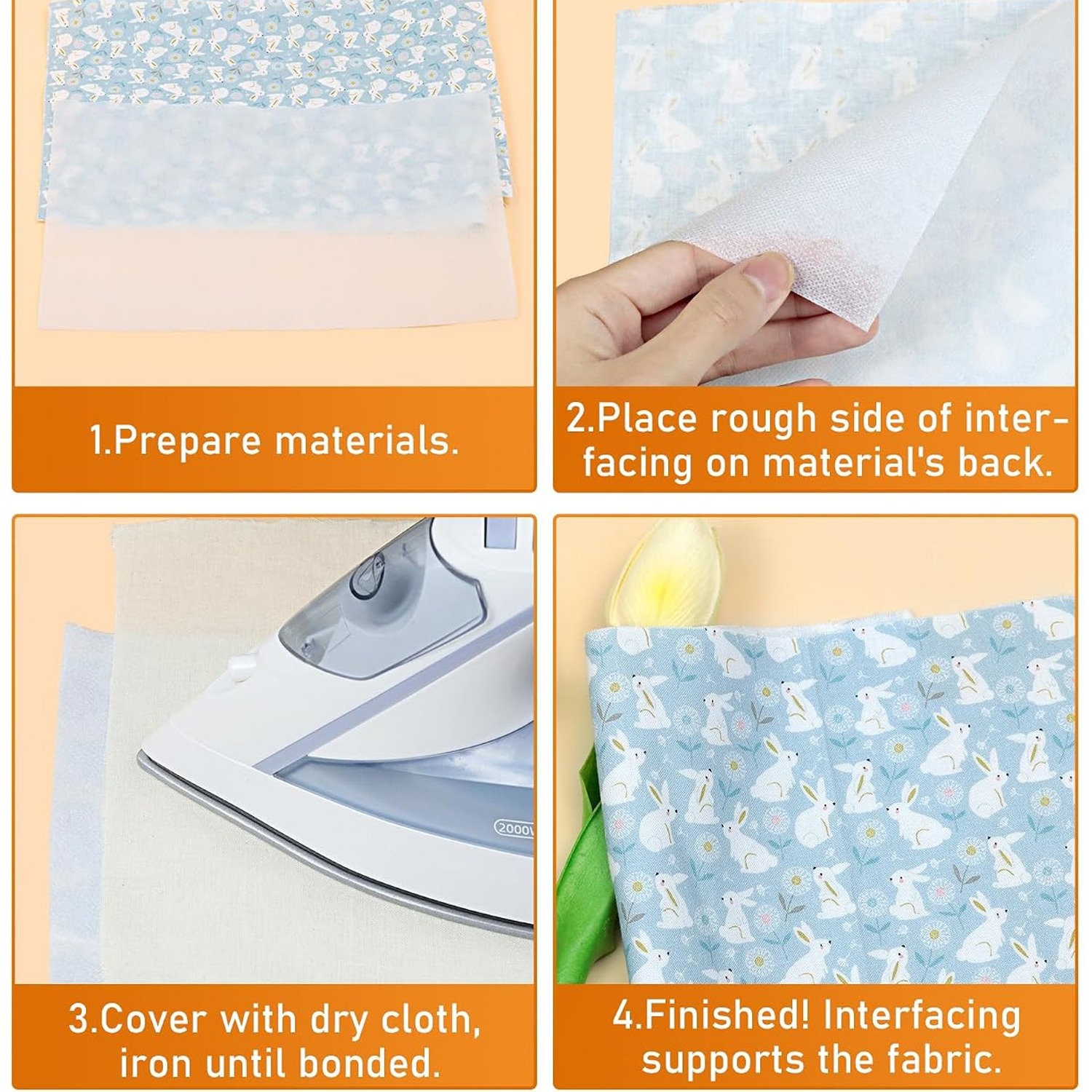
Attach the single-sided adhesive to compatible fabric using an iron.

Cut pieces from an 11.6-inch-wide roll to suit your sewing pattern.

Keep material on hand for multiple makes with the listed 30-yard roll length.

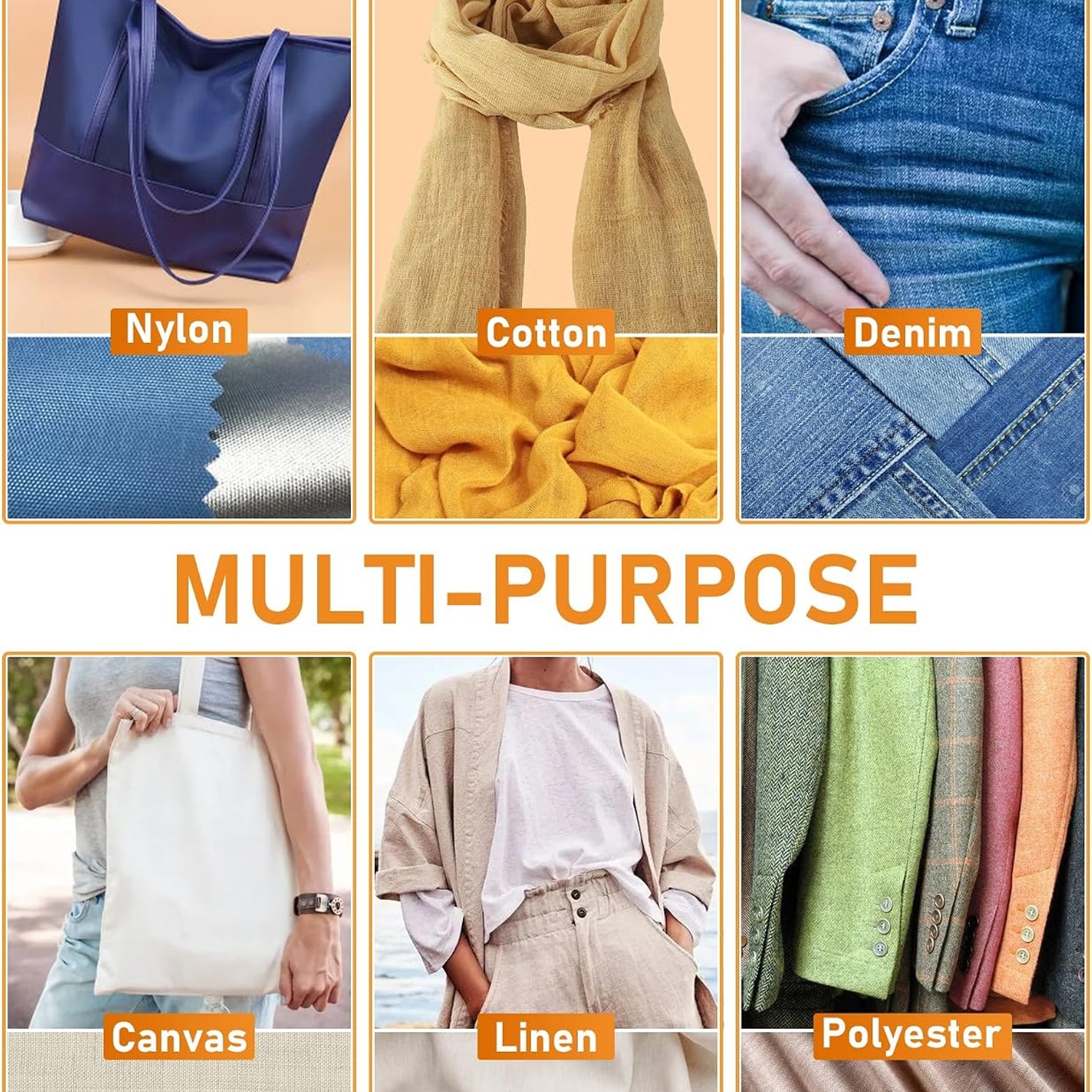
Use the white non-woven polyester construction for suitable clothing, craft, and home decor projects.

Medium Weight Fusible Interfacing Roll

Give selected areas of your sewing project extra support without changing the whole design. This medium-weight fusible interfacing is intended for garment details, crafts, and home decor where compatible fabric needs more structure.

Medium Weight Fusible Interfacing Roll

The non-woven polyester material has a heat-activated adhesive on one side. It attaches with an iron, so you can support the intended section before continuing with construction. Check the supplied application directions and test on a matching offcut before pressing your main pieces.

Medium Weight Fusible Interfacing Roll

The maker lists a white roll measuring 11.6 inches wide and 30 yards long. This format lets you cut individual pieces for different projects, provided your pattern sections fit within the roll width. Plan your layout before cutting to reduce waste.

Medium Weight Fusible Interfacing Roll

Collars and cuffs are among the stated garment uses. The material is also intended for suitable craft and home decor work, although the right result depends on the outer fabric, the pattern, and how much firmness you want.

Medium Weight Fusible Interfacing Roll

The interfacing is described as washable. Exact pressing settings and laundering limits are not specified by the maker, so follow the instructions supplied with the product and the care needs of the finished item.

Not sure yet? That is fine.

Fabric has to suit the project you bought it for, and you cannot always judge colour, weight and feel from a photograph. If it is not right for you, send it back within 14 days of delivery, unwashed, uncut, unused and in its original packaging, and we refund the price you paid, including standard delivery. That is on top of your Australian Consumer Law rights if anything arrives faulty.

If it turns up faulty, damaged or not as described, that is on us. The Australian Consumer Law and the Competition and Consumer Act 2010 covers you, and we pay the return postage. Read the full detail on our refunds and returns page, or ask us anything before you order.

Frequently Asked Questions

What is this product?

This is a medium-weight fusible interfacing roll. It adds support to compatible fabrics in sewing, craft, and home decor projects.

How does the adhesive work?

The adhesive is on one side and is activated by heat from an iron. Follow the supplied directions to bond it to your fabric.

Is this non-woven interfacing?

Yes, the maker identifies the construction as non-woven. It is not described as woven or knitted interfacing.

What is the interfacing made from?

The maker describes the material as polyester with a non-woven construction. The adhesive composition is not specified.

What colour is it?

The maker lists the colour as white. Check a bonded sample under your fabric if visibility is a concern.

How wide is the roll?

The listed width is 11.6 inches. Compare this with the widest pattern piece you need to interface before ordering.

How long is the roll?

The maker lists a roll length of 30 yards. The number of projects it will cover depends on your cutting layout and piece sizes.

How many items are included?

The product details list one item. This is the interfacing roll, not a sewing kit.

Is it medium or lightweight interfacing?

The product title and model identify it as medium weight. Choose it according to your pattern requirements rather than assuming it will act like a lightweight option.

Is this suitable as interfacing for collars?

Collars are one of the maker's stated uses. Test it with your shirt fabric to check the firmness and appearance before cutting all the pieces.

Can I use it as interfacing for cuffs?

Cuffs are also a stated application. The right result depends on the fabric and how much structure your design needs.

Can I use it for craft projects?

Yes, craft work is among the listed uses. Check that your project fabric can tolerate the heat needed for bonding.

Is it suitable for home decor?

The maker includes home decor among its intended uses. Suitability for a specific item depends on its fabric, construction, and required firmness.

Will it work with every fabric?

Universal compatibility is not stated. Test the iron-on fabric support on an offcut, especially when working with delicate, sheer, or heat-sensitive material.

Can I use it on stretch fabric?

Stretch compatibility is not specified by the maker. If your project needs to retain stretch, check your pattern requirements and test before using this non-woven option.

Is the adhesive on both sides?

No, the maker describes single sided fusible interfacing. It is not listed as a double-sided bonding web.

What iron temperature should I use?

An exact pressing temperature is not provided by the maker. Use the supplied application instructions and stay within the outer fabric's safe heat limit.

How long should I press it?

The required pressing time is not specified by the maker. Check the product instructions rather than guessing a time for your main fabric pieces.

Should I use steam?

Steam requirements are not given by the maker. Follow the directions included with the interfacing and check them against your fabric care guidance.

Is this washable interfacing?

The maker describes it as washable. A wash temperature, drying method, and tested number of washes are not specified.

Should I wash a test piece first?

Testing a bonded offcut through your intended care routine is a sensible precaution. It lets you check the fabric appearance and bond before finishing the project.

Is this interfacing for beginners?

Beginners can consider it for patterns that call for medium-weight fusible interfacing. Start with a sample and follow the supplied pressing directions.

Can I cut it to fit my pattern?

Yes, cut the roll into the shapes needed for your project. Make sure each planned piece fits within the listed 11.6-inch width.

Does it replace wadding?

It is listed as interfacing for support and structure, not as padded wadding. Choose a separate material if your pattern calls for cushioning or loft.

How should I store unused material?

Keep the unused roll clean and dry, away from direct heat. Protect it from dust and avoid crushing it under heavy supplies.

Is the product weight provided?

No product weight is specified in the maker's description. Medium weight describes the interfacing category, not a measured parcel weight.

When will my order arrive?

We dispatch within 2 working days. Delivery then takes up to 7 working days by tracked courier, and remote and regional addresses may take longer. Working days leave out weekends and public holidays. Delivery is free on orders of $150 or more and a flat $15 under that.

Can I return an unused roll?

You can return it within 14 days of delivery, unwashed, uncut, unused and in its original packaging, for a full refund including standard delivery. This is on top of your rights under the Australian Consumer Law. Email us first and we will send you return instructions.

Would this make a useful sewing gift?

It may suit someone who uses medium weight interfacing for garments or crafts. Check their preferred type and roll width first, since sewing patterns can call for different support materials.

What if it is not right for my project?

You can return it within 14 days of delivery, unwashed, uncut, unused and in its original packaging, for a full refund including standard delivery. This is on top of your rights under the Australian Consumer Law. Email us first and we will send you return instructions.

A Buyer's Guide to Medium Weight Fusible Interfacing

6 min read Fabric Shop Company

A collar can be neatly sewn yet still feel too soft. A cuff may need more support than the outer fabric can provide on its own. When a pattern calls for interfacing, that extra layer helps give selected sections the structure the design needs.

The choice matters because support changes how fabric feels and hangs. Too little may leave a detail softer than intended. Too much can make it feel stiff beside the rest of the garment.

This fusible interfacing roll is a medium-weight, non-woven option with adhesive on one side. It is intended for compatible clothing, craft, and home decor fabrics. Here is how to decide whether its format and level of support fit your next project.

What this roll offers

The maker lists white non-woven polyester interfacing in a roll measuring 11.6 inches wide and 30 yards long. The adhesive is heat activated, allowing attachment with an iron.

Those details answer different buying questions. Medium weight tells you the support category. Non-woven describes the construction. Fusible tells you how it attaches, while the width determines which pattern pieces will fit.

None of these details alone guarantees a match for your fabric. A soft blouse and a structured craft piece can have very different needs, even when both call for interfacing. Begin with your pattern, then compare a sample against the finish you want.

The product is also described as washable. Exact washing limits and pressing settings are not given by the maker by the maker, so check the instructions included with the roll.

How fusible interfacing works

Fusible interfacing bonds to fabric through a heat-activated adhesive. With this single sided fusible interfacing, the adhesive face goes against the fabric surface you intend to support, usually on the wrong side.

Correct placement matters. Before pressing, identify the adhesive side using the supplied instructions. An accidental reversal can put adhesive against your iron rather than the fabric.

Heat, pressing time, and any use of steam should follow the product directions. There is no exact temperature or timing in the maker's description. A setting that suits one fabric may damage another, so avoid borrowing instructions from an unrelated roll.

Once your test piece has cooled, examine it closely. Look at the face of the fabric and feel the joined layers. The aim is useful support with an appearance and handle that suit your project.

Understanding medium weight

Medium weight interfacing is a category, not a measured product weight. This listing does not provide a fabric weight per area or the total weight of the roll.

Use the category as a starting point rather than a promise of a particular finish. The same interfacing can feel quite different beneath a firm fabric than beneath a soft one.

If your sewing pattern specifies medium-weight fusible support, this product is worth comparing with that requirement. If the pattern asks for lightweight, woven, or stretch interfacing, do not assume this roll is an equal substitute.

A simple sample helps make that decision. Bond a small piece to a matching offcut, let it cool, then bend and handle it. Compare the result with the unbacked fabric. You should be able to judge whether the added firmness serves the design.

Where it may fit your sewing plans

The maker names collars and cuffs as uses for this garment interfacing. These are areas where extra support can help the finished detail feel more defined.

Even within those uses, personal preference matters. One person may want a soft collar, while another wants a firmer shape. Let the pattern and your sample guide the choice rather than relying only on the project name.

Crafts and home decor are also listed applications. For these projects, think about the job the backing must do. Supporting a fabric section is different from adding padding, and this product is not listed as wadding.

Do not treat a broad use category as approval for every material. Coated fabric, delicate cloth, and other heat-sensitive materials need particular care. If the fabric cannot tolerate the required application process, choose another method of support.

Check the width before the length

A long roll can be useful, but width is often the first limit you meet. This non-woven interfacing roll is listed as 11.6 inches wide.

Measure the actual pattern pieces that need support. Do not judge by the size of the finished garment or craft item. A small finished object may still have a broad section that needs to be cut in one piece.

Lay the pattern pieces out within a strip of paper marked to the roll width. This gives you a practical way to check fit and estimate usage before ordering.

The listed 30-yard length provides material for repeated cutting, but it does not tell you how many projects you can complete. That depends on the shapes, number of pieces, and layout. Allow some material for testing as well as the main project.

Consider colour and surface appearance

White fusible interfacing may be a useful match for some projects, but the colour should still be checked beneath your chosen fabric. Thin or sheer material can show what sits behind it.

Place an unbonded piece beneath the fabric first to check the basic colour effect. Then make a bonded sample, because pressing and attachment may change the appearance.

View the sample in the light where the finished item will be used or worn. Look for visible edges, surface changes, or a backing colour that affects the outer cloth.

The maker identifies polyester interfacing with a non-woven construction. That does not establish breathability, stretch recovery, or suitability for every specialist fabric. Where those properties matter, seek more product information before committing.

Make a test piece part of the process

Testing is a small step that can prevent a much larger disappointment. Use an offcut of the actual project fabric rather than a loosely similar scrap.

Follow the supplied directions for preparation and pressing. Keep a note of the settings you used so you can repeat a successful result on the main pieces.

After cooling, check the bond and the feel. Is the surface smooth? Does the backing stay attached when handled? Is the supported fabric firmer than you wanted?

If the finished item will be washed, put the sample through the care routine you intend to use, provided it is allowed by both materials. Assess it again once dry. This is more useful than assuming that a general washable description covers every temperature and drying method.

Buying interfacing as a beginner

When choosing interfacing for beginners, clear instructions and a suitable pattern match matter more than finding one roll for every task.

Read the pattern's materials section before buying. It may specify the weight and construction, or identify exactly which pieces need support. Keep those requirements nearby while comparing products.

If the terms are unfamiliar, separate them into simple questions. Is it fusible or sewn in? Is it non-woven, woven, or knitted? Does the requested weight match the maker's description?

This roll answers those questions as fusible, non-woven, and medium weight. The next step is checking the fabric and piece dimensions. You do not need to predict the whole project from the label, but you do need a small test before applying it widely.

Care for the project and the unused roll

The maker describes this as washable interfacing, but the finished item still needs a care plan that suits all its parts. The outer fabric may have stricter limits than the backing.

Keep the supplied instructions with your sewing notes. This is especially helpful if you finish the project weeks after first testing the interfacing.

Store unused material somewhere clean and dry, away from direct heat. Keeping the roll protected also makes it easier to find a clean section when the next pattern calls for craft interfacing or garment support.

Save useful offcuts if you have space, but keep them identifiable. A labelled sample can help you remember how this particular material behaved with a fabric you use often.

Before placing your order

Confirm the medium-weight category, the listed width, and your fabric's ability to tolerate iron-on application. Those checks are more useful than choosing by roll length alone.

Delivery timing is not specified by the maker. Check our delivery and returns pages' destination-specific information if you are buying for a class, a gift, or a project deadline.

Review the returns policy before opening or cutting the roll. Rules for unused, opened, and cut materials may differ. If you need exact pressing or care details before buying, ask for them rather than guessing.

The short version

This roll offers medium-weight, white non-woven polyester interfacing with a single-sided heat-activated adhesive. Its listed dimensions are 11.6 inches wide by 30 yards long, with stated uses including collars, cuffs, crafts, and home decor.

Choose it when those facts match your pattern and fabric. Check the width, follow the supplied application directions, and test a matching offcut. A little planning helps you add support where it is needed without changing the feel of the whole project.

Browse the shop

Does your project need more structure?

Match your pattern requirements and piece widths to this medium-weight roll, then test it with your fabric before use.

Ask us a question

Page summary

Medium Weight Fusible Interfacing Roll is white non-woven polyester interfacing for sewing, crafts, and home decor. The maker lists one item measuring 11.6 inches wide and 30 yards long. A single-sided heat-activated adhesive allows iron-on attachment to compatible fabrics. Stated uses include support for collars, cuffs, and other garment areas. The product is described as washable. Exact pressing temperature, pressing time, steam requirements, and laundering limits are not specified by the maker. Product weight and country of origin are also not specified. The model and manufacturer part number are Medium Weight. Fabric compatibility should be checked on an offcut before use in a finished project.