Fabric Shop Company
Company
Shop By Category
T&Cs
Shop Online
  • Width and length on every product page
  • Free tracked Australia-wide delivery over $150
  • 14-day returns

Iron on interfacing | Fusible interfacing fabric | Medium weight interfacing

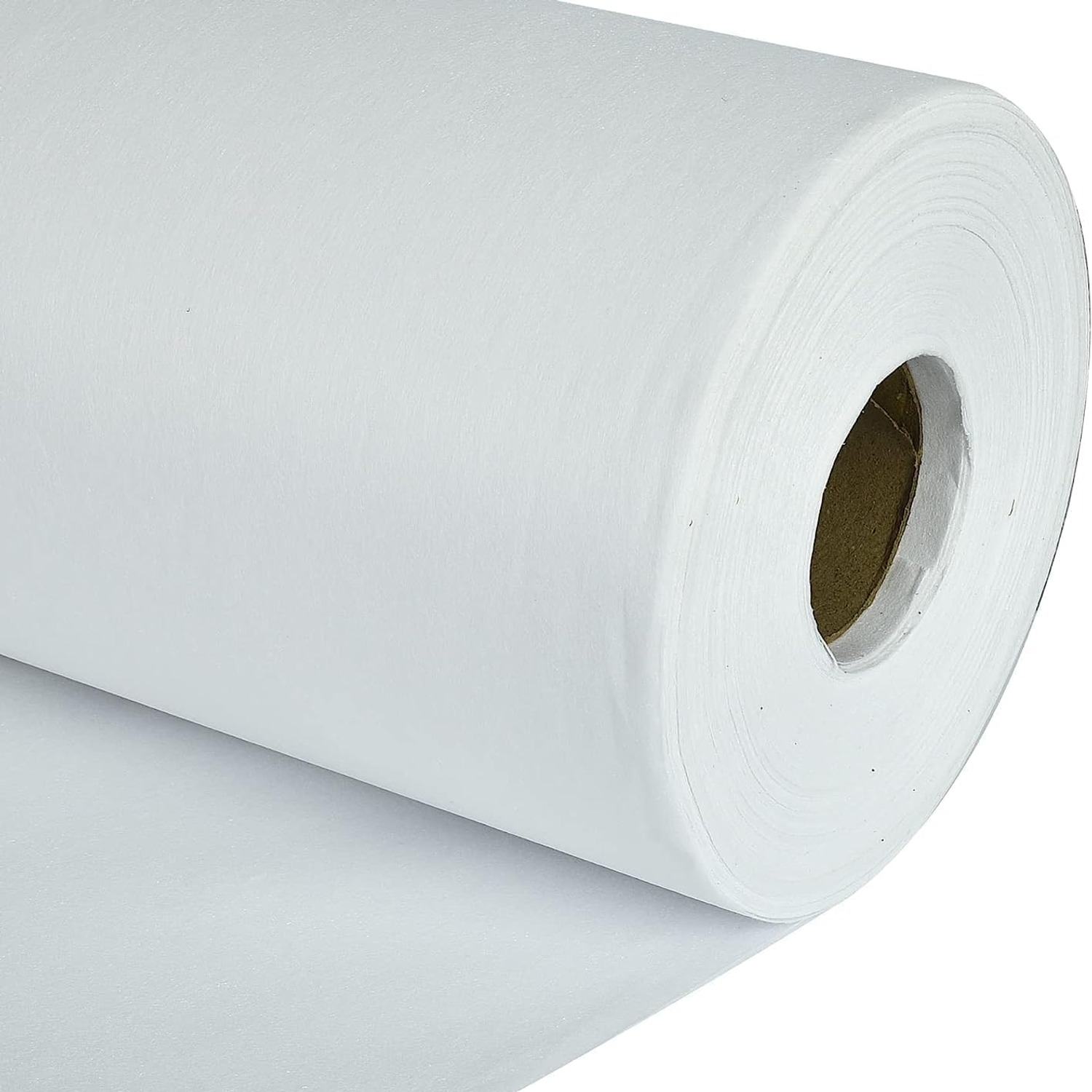
Iron-On Interfacing 1 Metre

$31.99 $37.99 Save $6
  • Support For Details
  • Iron-On Application
  • Non-Woven Blend
  • Sewing And Crafts

Price: $31.99 $37.99

  • Free tracked Australia-wide delivery on orders $150+, otherwise a flat $15
  • Pay by card or PayPal, handled by the payment provider
  • 14-day change-of-mind returns from delivery. Conditions and return postage apply. Australian Consumer Law rights are unaffected. Full returns policy
Product specifications
Product TypeIron-on fusible interfacing
Weight ClassMedium weight
Listed Size Option1 metre
ColourWhite
Composition80% polyester, 20% viscose
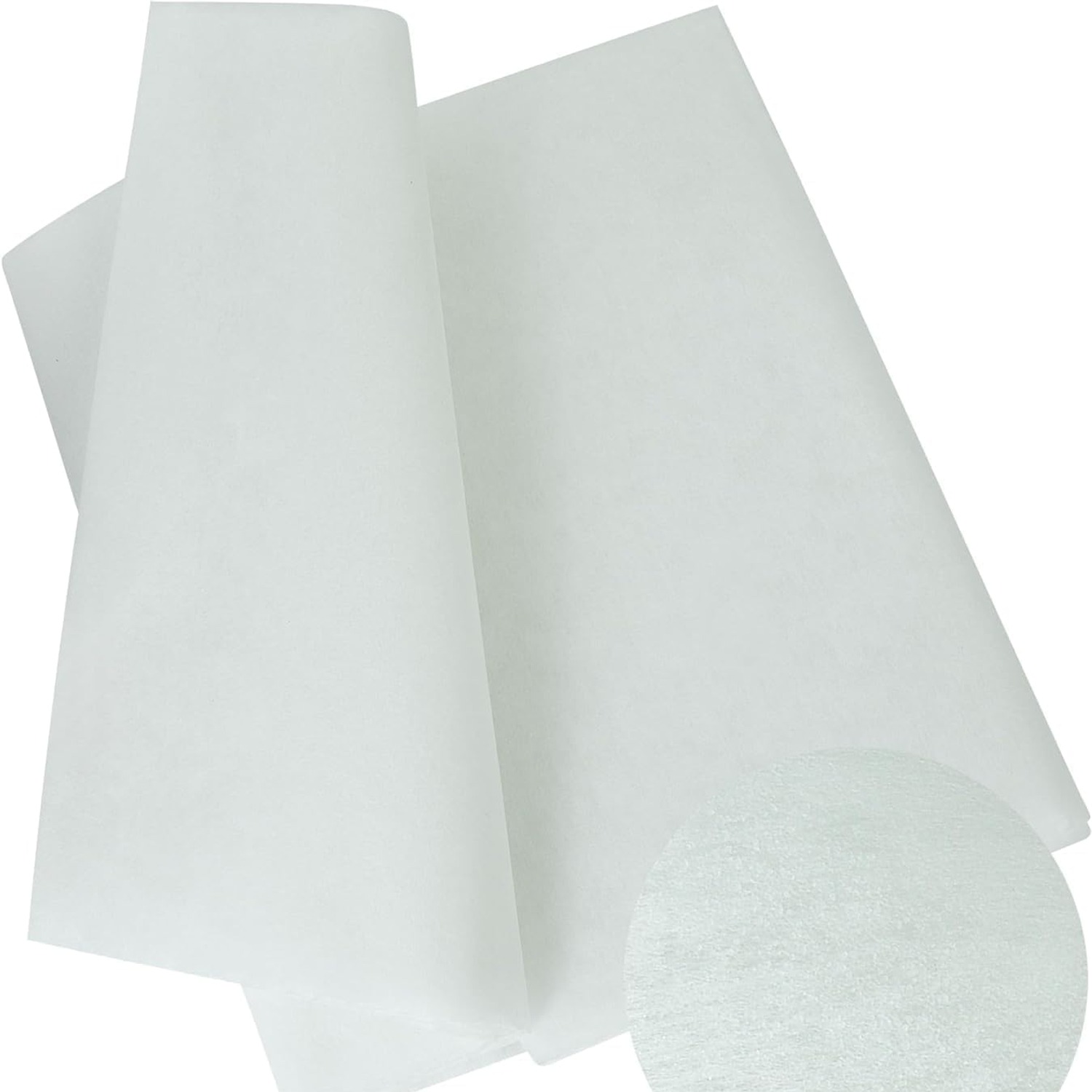
ConstructionNon-woven
AdhesiveSingle-sided
PatternSolid
Number Of Items1
Listed Product Dimensions91.4 × 91.4 × 12 cm
Dimension NoteListed dimensions do not establish usable fabric width. Confirm before planning a cutting layout.
Suggested UsesSewing, tailoring, collars, dressmaking, embroidery, quilting and applique
Shipping & returns

Tracked delivery anywhere in Australia. It is free on orders of $150 or more, and a flat $15 below that.

If it is not right for you, send it back within 14 days of delivery, unwashed, uncut, unused and in its original packaging, and we refund the price you paid, including standard delivery. That is a voluntary policy we offer on top of your legal rights. You cover the cost of returning it unless the item is faulty.

If it arrives faulty, damaged or not as described, we put it right at no cost to you under the Australian Consumer Law and the Competition and Consumer Act 2010, return postage included.

Shipping details · Refunds and returns

Support For DetailsAdd structure to collars and other areas that need help holding their shape.
Iron-On ApplicationA single adhesive side bonds to the wrong side of suitable fabric.
Non-Woven BlendMade from 80% polyester and 20% viscose.
Sewing And CraftsSuitable uses include dressmaking, applique, quilting and embroidery.

Give your sewing projects a more defined shape with iron on interfacing.

This single-sided fusible fabric adds support to garment details and craft projects without a separate layer of stitching.

Give selected garment areas extra support with medium weight interfacing.

Attach the single-sided fusible layer using an iron and a damp pressing cloth.

Support sewing and craft work with a non-woven polyester and viscose blend.

Use this white interfacing for collars, tailoring details and other suitable fabric projects.

Plan smaller projects around the listed 1 metre option, checking usable width before cutting.

Iron-On Interfacing 1 Metre

Add support where your fabric needs a little more body. iron-on interfacing is listed as a medium weight option for sewing, tailoring and craft work. It is intended for areas that need help keeping their shape, including collars and other garment details.

Iron-On Interfacing 1 Metre

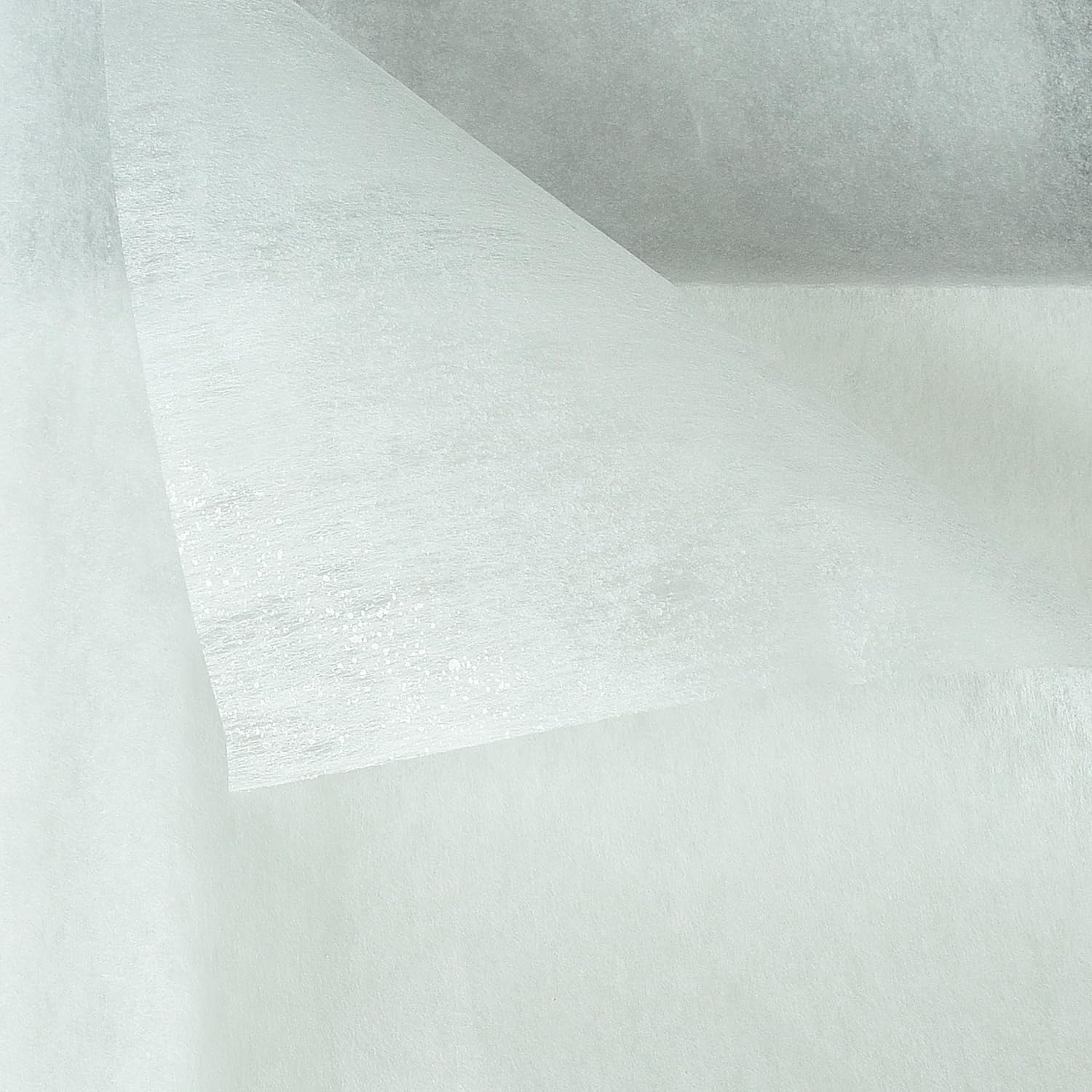
The non-woven fabric is made from 80% polyester and 20% viscose, with adhesive on one side. It attaches to the wrong side of a suitable main fabric using heat. The maker describes application with a hot iron and a damp pressing cloth, but does not give an exact temperature or pressing time.

This white fusible interfacing is listed for light and medium fabrics. Always check a small sample first, as the look, feel and heat tolerance of your main fabric will affect the result. The right support should suit the finished item rather than simply make it as stiff as possible.

Suggested uses extend beyond clothing to embroidery, quilting and applique. Match the interfacing to your pattern and technique, especially where a project calls for a particular kind of stabiliser. A fusible support layer is not automatically a substitute for every embroidery backing or quilt wadding.

The selected option is labelled 1 metre and contains one item. The supplied product dimensions are 91.4 × 91.4 × 12 cm, which do not clearly confirm a usable fabric width or cut length. Check these details before buying for a layout that needs an exact measurement.

Not sure yet? That is fine.

Fabric has to suit the project you bought it for, and you cannot always judge colour, weight and feel from a photograph. If it is not right for you, send it back within 14 days of delivery, unwashed, uncut, unused and in its original packaging, and we refund the price you paid, including standard delivery. That is on top of your Australian Consumer Law rights if anything arrives faulty.

If it turns up faulty, damaged or not as described, that is on us. The Australian Consumer Law and the Competition and Consumer Act 2010 covers you, and we pay the return postage. Read the full detail on our refunds and returns page, or ask us anything before you order.

Frequently Asked Questions

What is this product?

It is iron-on interfacing, model IF101, listed as a medium weight option. It adds a supporting layer to suitable fabrics for sewing and craft work.

How does the fusible backing work?

Adhesive on one side bonds the interfacing to the wrong side of your main fabric when pressed with an iron. The maker describes using a damp pressing cloth during application.

Is this medium or heavy weight interfacing?

This product is identified as medium weight interfacing. The maker mentions other weight options, but those should not be treated as included in this item.

What is the interfacing made from?

The maker states a blend of 80% polyester and 20% viscose. This polyester viscose interfacing has a non-woven construction.

What colour is it?

The listed option is white. Test white fusible interfacing behind your chosen fabric to check whether it affects the colour or shows through.

How much is included?

The selected option is labelled 1 metre, with one item listed. Confirm the actual cut length and usable width if your project needs an exact amount.

What dimensions are listed?

The supplied product dimensions are 91.4 × 91.4 × 12 cm. These measurements do not clearly identify a usable fabric width, so do not base a cutting plan on them without confirmation.

Does it have adhesive on both sides?

No, the maker describes single sided fusible interfacing. Position the adhesive side against the wrong side of your main fabric.

Is this woven interfacing?

No, it is described as non woven interfacing. If your pattern specifically requires woven interfacing, check before making a substitution.

Which fabrics can I use it with?

The maker suggests light and medium fabrics. Heat tolerance and the finished feel still need to be checked on a scrap of your actual fabric.

Is it suitable as interfacing for collars?

Collars are one of the listed uses. Test the fabric and interfacing together to check that the collar has the amount of support your pattern needs.

Can I use it for dressmaking?

Yes, dressmaking is a stated use. Choose where to apply dressmaking interfacing according to your pattern rather than adding it to every part of a garment.

Can I use it for tailoring?

Tailoring is included among the maker's suggested uses. The suitability of this tailoring interfacing depends on the fabric and the structure required by the garment.

Is it suitable for embroidery?

Embroidery is a listed application. Check your design and machine instructions, as the maker's description does not identify the product as tear-away, cut-away or wash-away backing.

Can it be used in quilting?

Quilting is listed as a use for this fabric. Quilting interfacing provides support, but it should not be assumed to replace the loft or padding of quilt wadding.

Can I use it for applique?

Applique is among the suggested applications. As this applique interfacing has adhesive on only one side, it is not a double-sided bonding web.

Is it suitable for craft projects?

Yes, craft work is a stated use. Test craft interfacing fabric with your chosen materials before committing to a finished piece.

Is it suitable for beginners?

The iron-on application can be approached with basic pressing equipment and careful testing. Start on an offcut so you can identify the adhesive side and assess the finished feel.

What equipment do I need?

The maker describes using an iron, an ironing surface and a damp pressing cloth. You will also need a suitable way to mark and cut the pieces for your project.

Which side faces the fabric?

The adhesive side faces the wrong side of the main fabric. Keep the adhesive away from the iron and ironing surface.

What temperature and pressing time should I use?

An exact temperature and pressing time are not specified by the maker. Follow any supplied instructions and check that your main fabric can tolerate the required heat.

Should I test it before starting?

Yes, fuse a small offcut before working on the project pieces. Check the bond, surface appearance and feel once the sample has cooled.

Can I use it on heat-sensitive fabric?

Do not assume it is suitable, because it requires an iron for application. If your fabric cannot tolerate the application heat, consider a pattern-approved sew-in alternative.

Does medium weight mean a specific GSM?

No GSM value is provided for this item. Medium weight is the listed category, not a stated measurement of mass per square metre.

Can the finished item be machine washed?

Machine-washing instructions are not specified. Follow the supplied product guidance and test the intended cleaning method on a fused sample before washing the finished item.

How should I store unused interfacing?

Keep it clean and dry, away from direct heat. Store it flat or loosely rolled to reduce unnecessary creasing.

Is this a useful gift for someone who sews?

It may suit someone who uses iron on interfacing for sewing or enjoys dressmaking. Check whether they need a medium weight fusible option and whether the listed quantity fits their plans.

How long will delivery take?

We dispatch within 2 working days. Delivery then takes up to 7 working days by tracked courier, and remote and regional addresses may take longer. Working days leave out weekends and public holidays. Delivery is free on orders of $150 or more and a flat $15 under that.

What are the return conditions?

You can return it within 14 days of delivery, unwashed, uncut, unused and in its original packaging, for a full refund including standard delivery. This is on top of your rights under the Australian Consumer Law. Email us first and we will send you return instructions.

What if it is not right for my project?

You can return it within 14 days of delivery, unwashed, uncut, unused and in its original packaging, for a full refund including standard delivery. This is on top of your rights under the Australian Consumer Law. Email us first and we will send you return instructions.

Choosing Iron-On Interfacing for Sewing and Craft Projects

6 min read Fabric Shop Company

A collar can look neat on the cutting table, then feel too soft once it is sewn. A small fabric detail may need more body than the main cloth can provide on its own. Interfacing helps solve that problem by adding support where a project needs it, rather than changing the whole piece.

iron on interfacing is a medium weight, single-sided fusible option. It is listed for dressmaking, tailoring and several craft uses. The key buying question is whether its support and heat-based application suit your fabric. A little checking before you cut can save both material and sewing time.

What iron-on interfacing does

Interfacing sits behind the main fabric to change how a selected area behaves. It can help a collar hold its intended shape or give a sewing detail more body. Your pattern should tell you which pieces need support and, in many cases, what type to choose.

Fusible interfacing fabric uses adhesive to attach that support layer. Here, the adhesive is on one side only. That side faces the wrong side of the main fabric, leaving the other surface facing away from it.

Think of interfacing as part of the fabric choice, not just an extra supply. Two pieces of cloth that look similar can feel quite different after support is added. Testing the layers together gives you a better idea of the finished result than handling either one alone.

What this option contains

The maker describes this product as a non-woven blend of 80% polyester and 20% viscose. It is white and identified as medium weight. There is no GSM figure, so the weight class should not be read as a precise measurement.

Non woven interfacing is a different construction from woven cloth. If a sewing pattern names a particular construction, follow that advice or test any proposed change carefully. A product with a similar weight label is not always a direct replacement.

The selected option is labelled 1 metre and contains one item. That makes it worth considering for projects with limited interfacing needs, but the usable measurements still need checking. Do not assume that the option name alone tells you how every pattern piece will fit.

Check the measurements before planning

The maker lists dimensions of 91.4 × 91.4 × 12 cm alongside the 1 metre option name. Those figures do not clearly establish the usable fabric width or exact cut length. It would be unwise to turn them into a promised cutting area.

Before ordering, lay out the pattern pieces that need interfacing. Work out the length and width your layout requires, including any allowances specified by the pattern. Then confirm that the supplied cut will cover that area.

This matters most when one piece is wide or when several shapes must fit together closely. Small collar sections may be easier to arrange than a large craft panel. Either way, confirmed measurements are more useful than guessing from a product photograph.

Match the support to your main fabric

The maker suggests this medium weight fusible fabric for light and medium fabrics. That is a starting point, not a promise that it will work with every cloth in those groups. Heat tolerance, surface texture and the feel you want all matter.

For example, a flowing garment may need support in one small area without losing movement elsewhere. A more structured detail may call for a firmer result. Your goal is the right balance for the pattern, rather than the stiffest possible finish.

Place a sample behind your fabric before fusing it. Look at the colour in good light, especially with pale or thin cloth. White fusible interfacing can affect how the outer fabric looks, so check appearance as well as touch.

Where it may fit into dressmaking

Collars and tailoring are named uses for this product. These are areas where added support can matter, but the amount needed varies with the design. A soft collar and a sharply shaped collar do not necessarily call for the same treatment.

Use your pattern as the main guide when choosing dressmaking interfacing. Read the supply notes before buying, then check the individual pieces for application marks. Avoid adding extra support simply because material is left over.

For a new pattern, make a small fused sample early. Fold it and handle it as you would the finished detail. This simple check helps you decide whether the fabric combination feels right before you cut the full set of pieces.

Using it for embroidery and crafts

Embroidery, quilting and applique are also listed applications. These uses cover many techniques, so it helps to be clear about what job the supporting layer must do. A general fabric stabiliser for sewing is not automatically suitable for every specialist process.

When choosing interfacing for embroidery, check whether your instructions require backing that is removed later. This product is not identified as tear-away, wash-away or cut-away stabiliser. Do not assume it has those properties because embroidery appears in the suggested uses.

The same care applies to quilting and applique. Quilting interfacing is not the same thing as padded wadding, and a single adhesive side does not perform the same job as double-sided bonding web. Match the product to the technique, not just the project category.

Prepare a test before applying heat

Start with an offcut of the same fabric you plan to use. Cut a small piece of interfacing and identify its adhesive side from any supplied instructions. Protect your pressing surface and make sure the layers are facing the right way.

The maker describes placing the main fabric wrong side up, setting the adhesive side of the interfacing against it, and covering the layers with a damp pressing cloth. An iron is then used to press the layers together.

No exact temperature, pressure or pressing time is stated in the maker's description. Follow the instructions supplied with the product and respect the heat limit of your main fabric. If those requirements conflict, do not risk the project fabric. A sew-in option may be more appropriate.

Judge the sample after it cools

Give your test piece time to cool before deciding whether the combination works. Check the whole surface, not just the middle. Look for changes in the outer fabric and assess whether the layers have attached as intended.

Handle the sample gently, then bend it to see how much body it has gained. For a collar, consider how it folds. For a craft panel, think about whether the added support meets the needs of the design.

If the result is not suitable, pause rather than treating the full piece in the same way. More heat is not a safe answer to every bonding problem. Review the instructions, the fabric's heat tolerance and whether a different interfacing would suit the task better.

Plan cleaning before finishing the project

The maker does not give washing temperatures, tumble-drying guidance or dry-cleaning approval. Those details matter if the finished item will need regular cleaning. Check the supplied care information before using the product in a washable garment.

A useful precaution is to clean a fused sample using the method you intend for the finished item, provided that method is allowed by the supplied instructions. Let it dry, then check the appearance, feel and bond again.

The main fabric's care label still matters, but it does not answer every question about the added layer. Choose a cleaning method that suits all parts of the finished project. Where guidance is missing, ask before assuming.

Store leftovers for later use

Keep unused interfacing clean, dry and away from direct heat. Flat storage or a loose roll can help reduce unnecessary creasing. Avoid cramming it into a small space where it may become difficult to lay out neatly.

Save usable offcuts if you often sew small details. Keep a note of the product name and the application instructions with them. Without that information, a leftover white piece can be hard to identify later.

Before reusing a stored piece, check its condition and run another small test if needed. A tidy supply cupboard is helpful, but knowing which material you have is what makes leftovers practical.

The short version

Choose this option if your project calls for medium weight, single-sided iron-on support and your fabric can tolerate the application method. Its stated uses include collars, dressmaking, embroidery, quilting and applique.

Confirm the usable measurements before relying on the 1 metre label for a cutting plan. Then test the layers together, follow the supplied pressing guidance and check care requirements. Those steps give you a sound basis for deciding whether this interfacing belongs in your project.

Browse the shop

Need a little more structure?

Check your pattern, fabric heat tolerance and required measurements before choosing this medium weight fusible interfacing.

Ask us a question

Page summary

IF101 is a white, medium weight iron-on interfacing listed in a 1 metre option with one item per unit. The maker describes a non-woven blend of 80% polyester and 20% viscose with adhesive on one side. Suggested uses include tailoring, collars, dressmaking, embroidery, quilting and applique, with light and medium fabrics. Application uses an iron and a damp pressing cloth on the wrong side of the main fabric. Exact iron temperature, pressing time and washing instructions are not specified by the maker. Listed dimensions are 91.4 × 91.4 × 12 cm, but usable width and cut length are not clearly established. Product weight, country of origin and warranty are not specified.