
The complete guide
A Practical Guide to Choosing 90% Shade Cloth
An outdoor table can be in the right place for everything except the afternoon sun. A pergola may have a useful frame but leave too much light coming through. On a porch, the problem might be low sun reaching in from the side rather than sunlight overhead.
Shade cloth gives you a way to address those gaps without choosing a solid roof. This panel is a long rectangle of breathable knitted fabric, with a listed shade level of up to 90%. It is designed for sun shading, not for keeping rain out.
The key is matching the panel to the space. Before choosing it, look at the sun's path, measure the area and decide how you will support the cloth.
What this shade cloth offers
This is a 6 x 16 ft panel in wheat, with listed metric dimensions of 4.88 m by 1.83 m. Its long shape is worth noting. It may suit a narrow pergola bay or a stretch of porch, but it is not a square canopy.
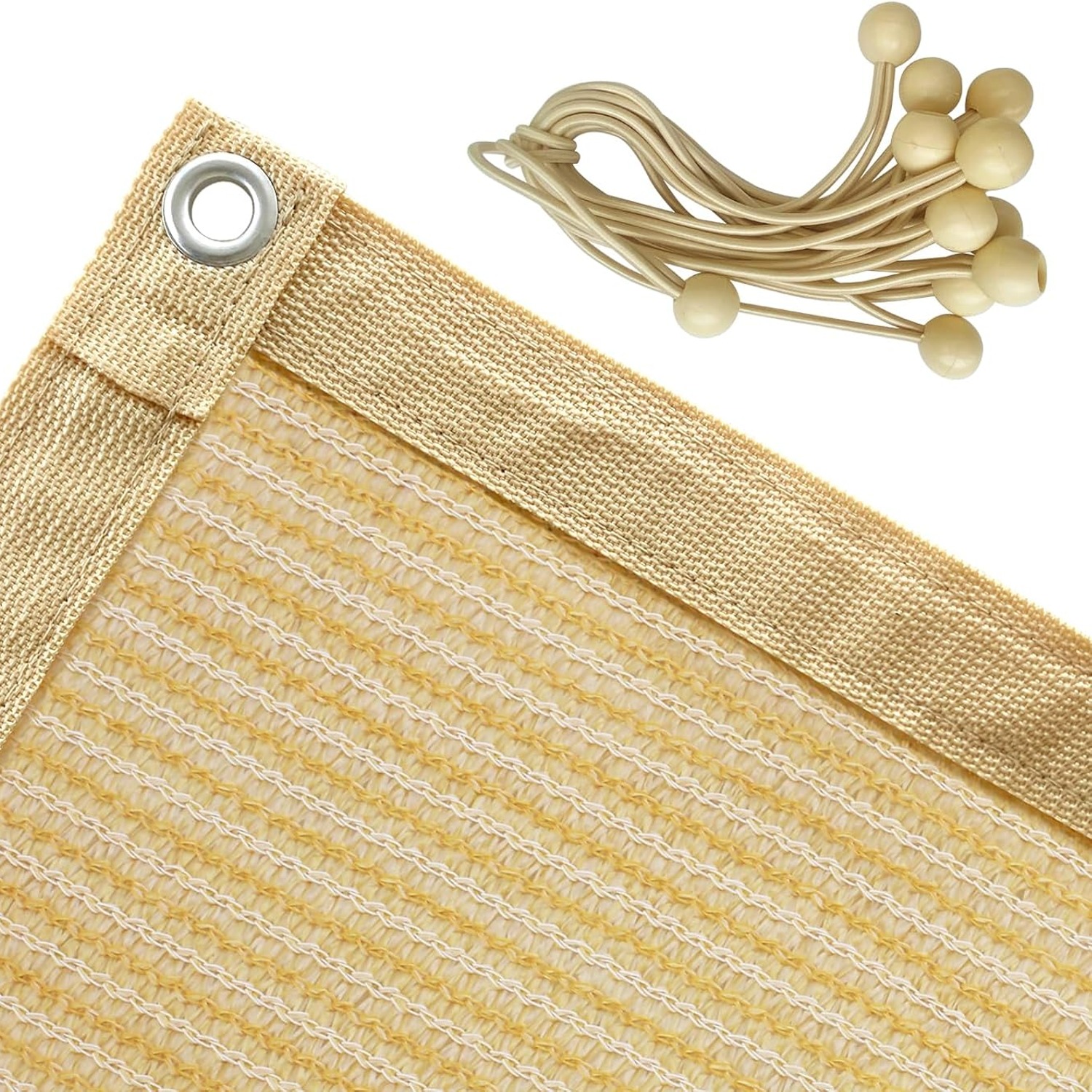
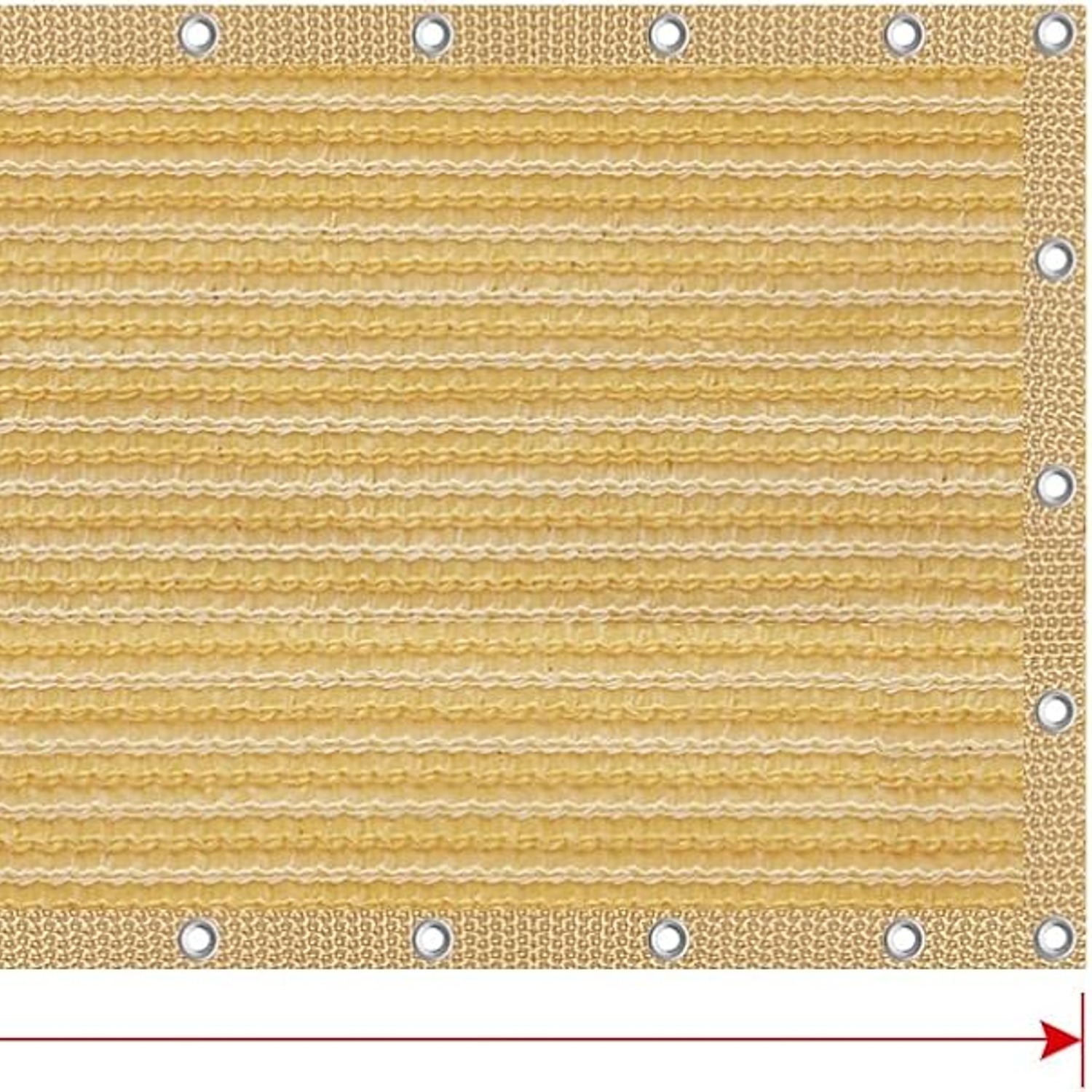
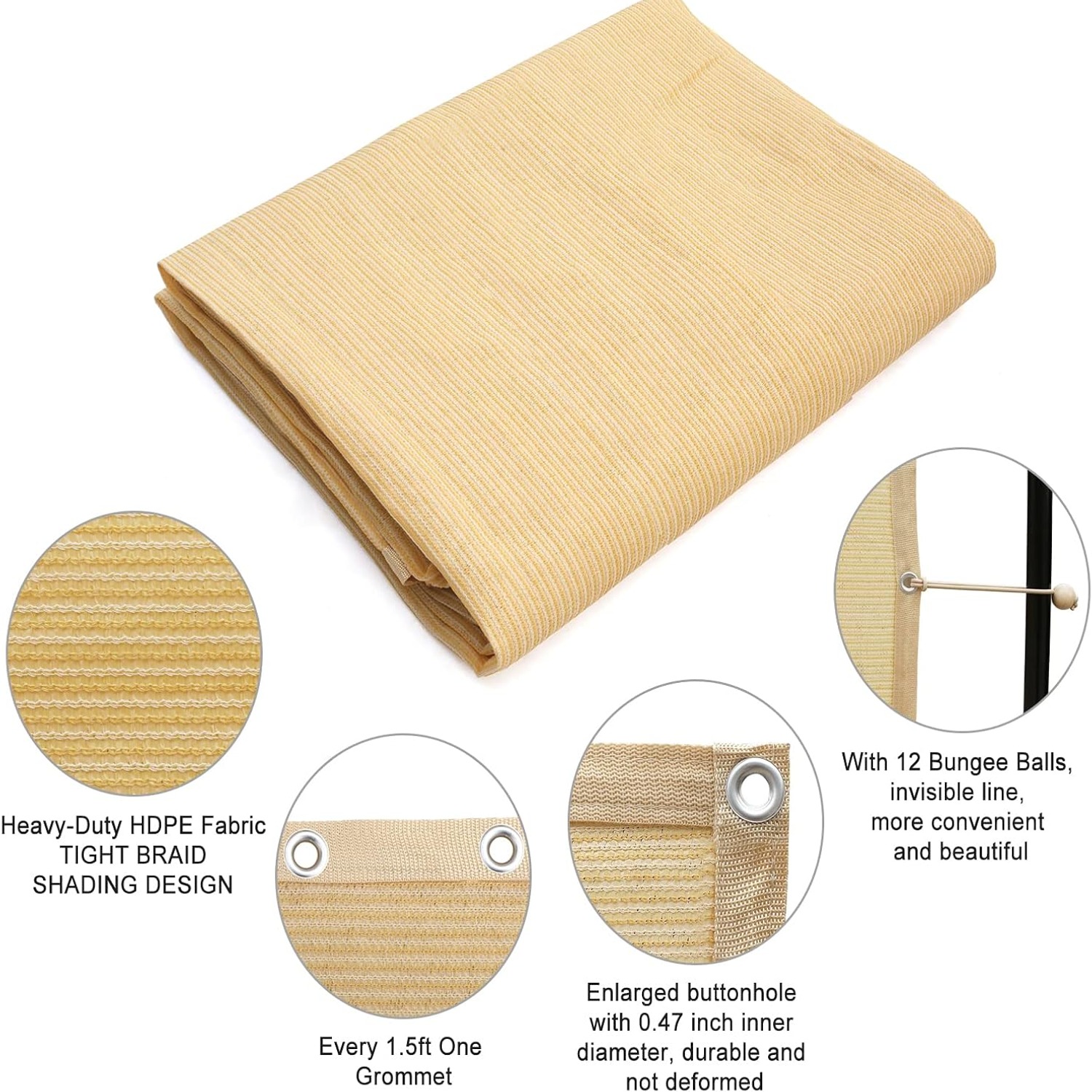
The maker describes the material as knitted high-density polyethylene, often shortened to HDPE. Air and water can pass through the fabric. The edges are taped for reinforcement, and aluminium grommets run around all four sides, including the corners.
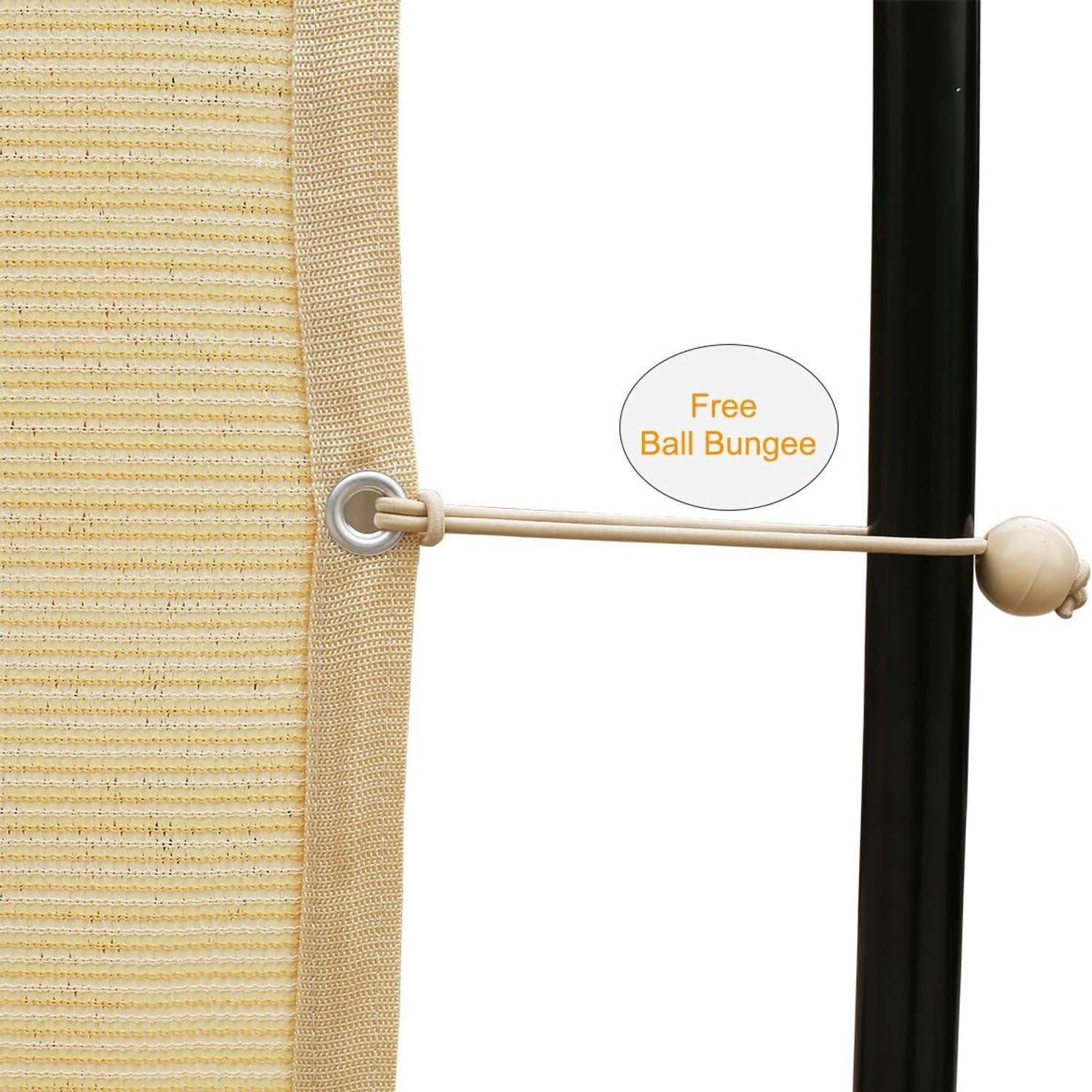
Twelve bungee balls are included. These give you attachment options, but they do not replace the need for a suitable supporting structure. Posts, a frame and site-specific mounting hardware are not listed as included.
What the 90% shade figure means
The stated figure is up to 90% sun blocking. It describes a high level of shade, but it does not promise complete darkness or the same result in every setting.
Light can still enter from the sides. Nearby walls and paving can reflect sunlight into the area. A panel fitted high above a table will cast a different patch of shade from one hung closer to the space being covered.
There is also no certified UV protection rating in the maker's description. Do not read the shade percentage as a UPF rating or as a reason to stop using other sun protection. Think of the panel as one part of making an outdoor area more usable.
Breathable fabric is different from a roof
A solid cover and breathable shade cloth solve different problems. This fabric lets air move through its knitted structure rather than closing off the area with a continuous sheet.
That can be useful when your main aim is to reduce direct sunlight while keeping an open-air feel. However, there is no measured temperature drop supplied for this product. The weather, surrounding surfaces and airflow will all affect how the area feels.
Water also passes through the mesh. The maker states that the panel is not water resistant, so furniture and other items beneath it still need suitable rain protection. If a dry outdoor dining area is your main goal, this is not a substitute for a weatherproof cover.
Measure the space you want to shade
Start with the usable area, not just the frame above it. If you want to shade a table, note where the chairs sit when people are using them. If the aim is a deck shade cover, consider the part of the deck you actually spend time on.
Then compare those measurements with the 6 x 16 ft panel. Check both directions. A long rectangle may cover the length of your space while leaving more of its width exposed than you expected.
Allow for the way the panel will attach to the structure. Do not assume a cloth and frame with matching dimensions will connect without any planning. The maker does not provide grommet spacing or a recommended attachment gap, so confirm those details if your fitting depends on precise positions.
Watch where the sun moves
A quick look at the space at midday may not tell you enough. Visit it during the hours when the sun causes the most trouble.
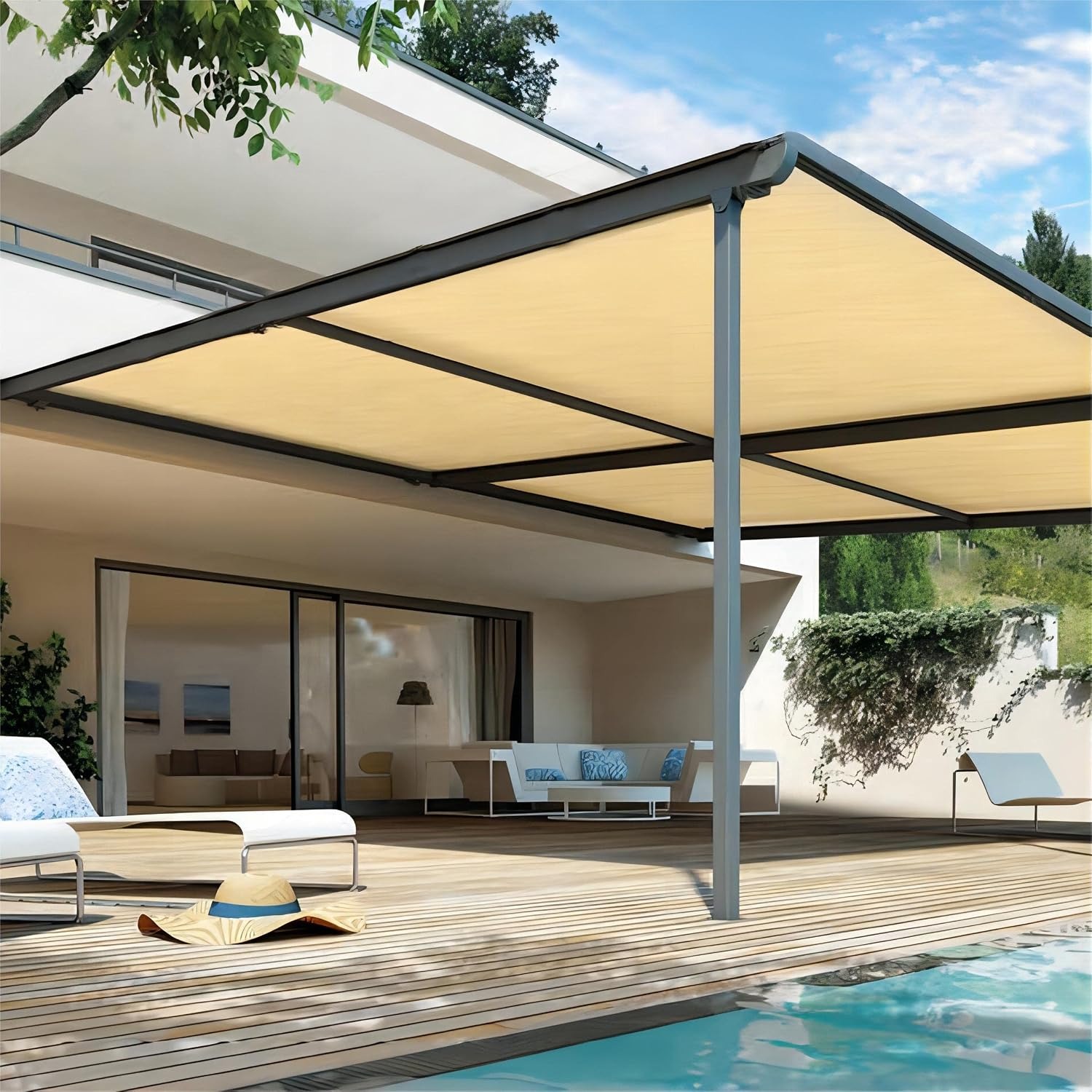
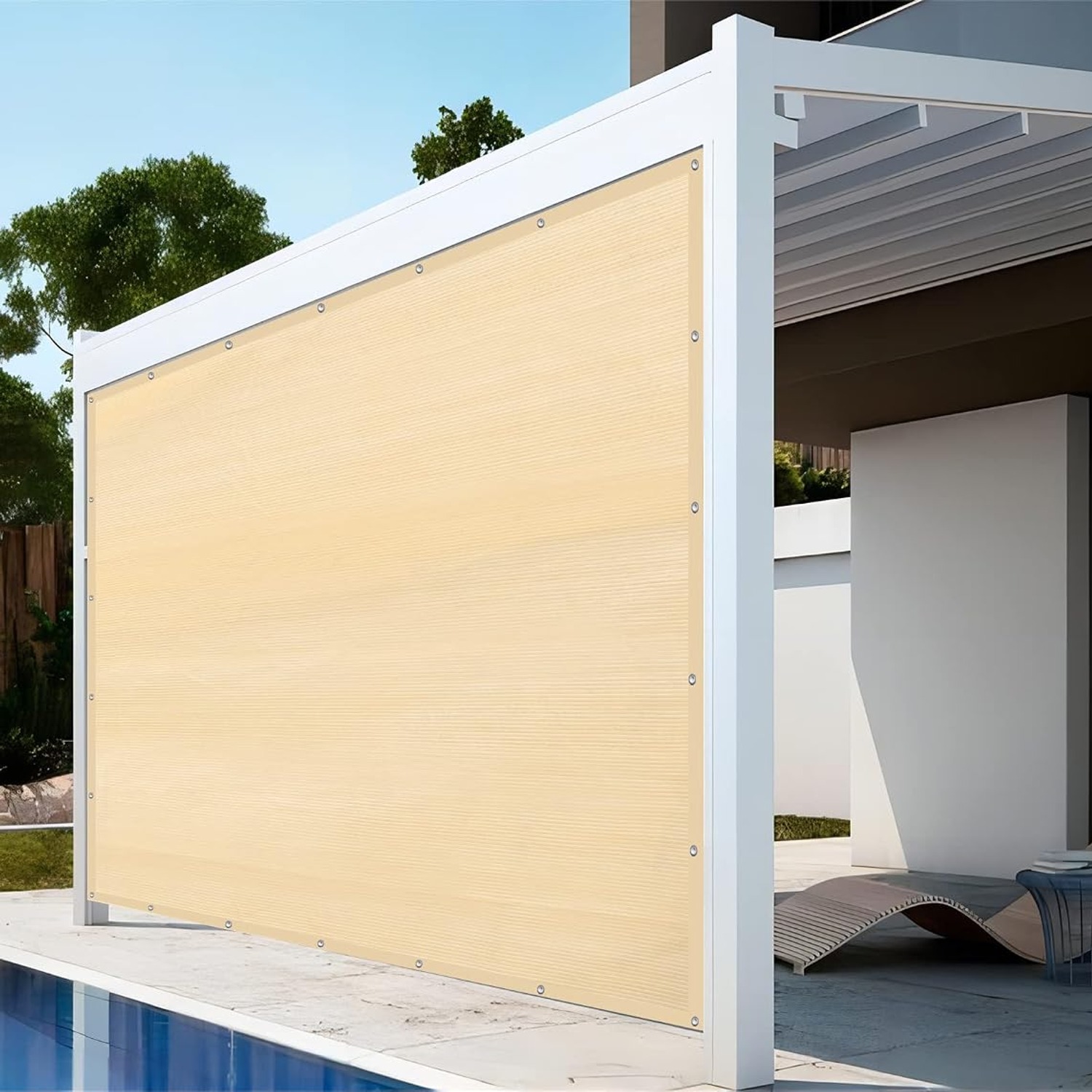
For overhead midday sun, a pergola shade cover may be the useful option. For low afternoon sun, a vertical porch sun screen may address the problem more directly. The maker describes both overhead shading and hanging screen uses for this panel.
Mark the shadow you need rather than guessing from the brightest spot on the ground. A little time watching the area can prevent buying a panel that fits the structure but misses the seating when you need it most.
Check the supports before fitting
The reinforced edges and grommets provide attachment points. They do not establish whether an existing railing, pergola or post is strong enough for the installation.
Check the condition of the supporting structure first. Loose rails, damaged timber and uncertain fixings need attention before a fabric panel is attached. If you are unsure about the structure, ask a suitable installer.
The maker gives no wind-load rating for this shade cloth. Even breathable fabric needs careful thought in an exposed position. Do not assume that letting air pass through makes wind irrelevant. Get advice for your location, especially where the panel would sit above people or near neighbouring property.
Plan around the included bungee balls
The maker includes 12 bungee balls, which is useful information when planning your fixings. It does not state the exact number or spacing of the grommets.
Lay out an attachment plan before installation. Look at how the reinforced edges will meet your supports and whether extra suitable hardware will be needed. Avoid pulling the panel hard just to reach a fixing point that is too far away.
Inspect the finished setup before using the area beneath it. The cloth should not be forced against sharp edges, and attachment cords should not create a hazard. Follow any manufacturer fitting instructions provided with the item.
Choosing wheat for an outdoor space
This is wheat shade cloth. The colour is a practical choice to consider alongside the shape and shade level, rather than a reason to overlook them.
Use the images to judge whether it fits the look of your outdoor area. Screen settings and lighting can change how fabric colours appear, so an image should be treated as a guide rather than an exact colour sample.
For a pergola, think about the frame and nearby walls. For a hanging panel, remember that you may see a much larger area of fabric at eye level. It helps to picture the full rectangle in place, not just a small colour swatch.
Using it as a privacy screen
The maker suggests the panel for hanging privacy applications, including porch and balcony railings. That makes it worth considering when direct views into a seating area are part of the problem.
Still, a balcony privacy shade made from mesh is not the same as a solid wall. Visibility can change with the viewing angle and the light on either side. Do not assume complete privacy after dark or under every condition.
Check any building or tenancy rules before attaching fabric to a balcony. Also make sure the panel will not interfere with safe access, railings or other required clearances.
Other uses need their own checks
Kennel shade is another listed use. If you are planning that setup, keep the cloth and its cords beyond the animal's reach. Shade does not replace drinking water, ventilation or separate protection from poor weather.
Garden use needs a different check. A high-shade panel is not automatically right for every plant. Match the amount of shade to the plant's light needs before choosing 90% shade fabric for a growing area.
The same approach applies to any outdoor shade panel. Start with the job it needs to do, then check the size, light level and support needs. A listed use is a starting point, not proof that every setup will work.
Care for the fabric and fixings
The maker describes garden-hose cleaning. Rinse away loose dirt and avoid harsh scrubbing, especially around the knitted fabric and reinforced edges.
The maker gives no machine-washing instructions. There is no need to guess at a wash cycle when a simpler cleaning method is stated. If further care information comes with the product, follow it.
Let the panel dry before folding it for storage. Before putting it up again, inspect the fabric, edge tape, grommets and bungee cords. Regular checks are sensible for outdoor equipment, particularly after conditions that may have put extra strain on the installation.
The short version
Choose this panel when you need a long, breathable shade cloth with grommets, a wheat finish and up to 90% sun blocking. Its listed size is 6 x 16 ft, and 12 bungee balls are included.
Measure first, watch the sun and check your supports. Choose a different type of cover if waterproof shelter is the main requirement. Getting those basics right matters more than the shade percentage alone.