
The complete guide
A Buyer's Guide to Small Felt Sheets for Colourful Crafts
Small projects need the right size of fabric
A little craft project can become awkward when all you have is a large piece of fabric in the wrong colour. You may only need a leaf, a letter or a few small shapes, yet buying a full cut for each shade can leave plenty unused.
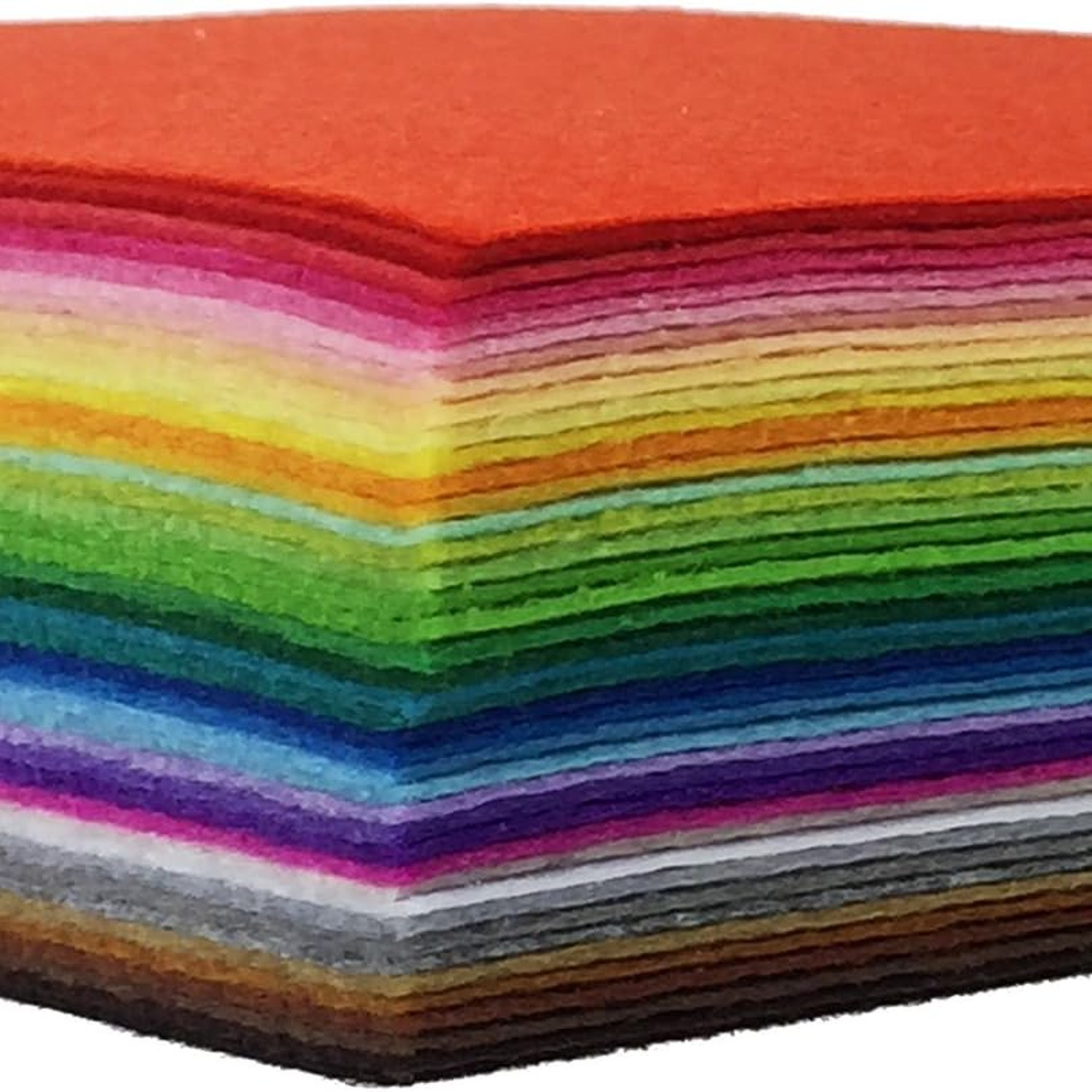
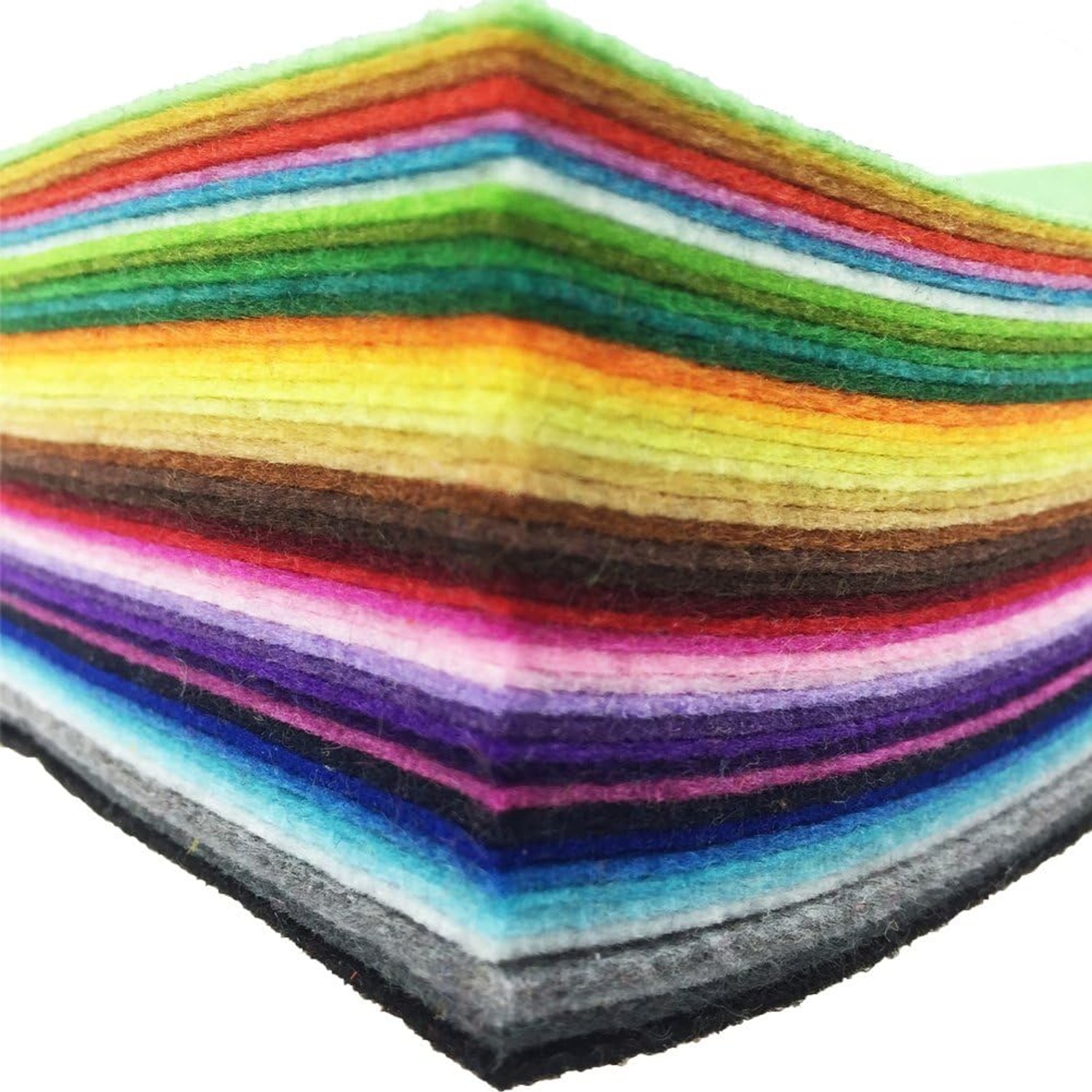
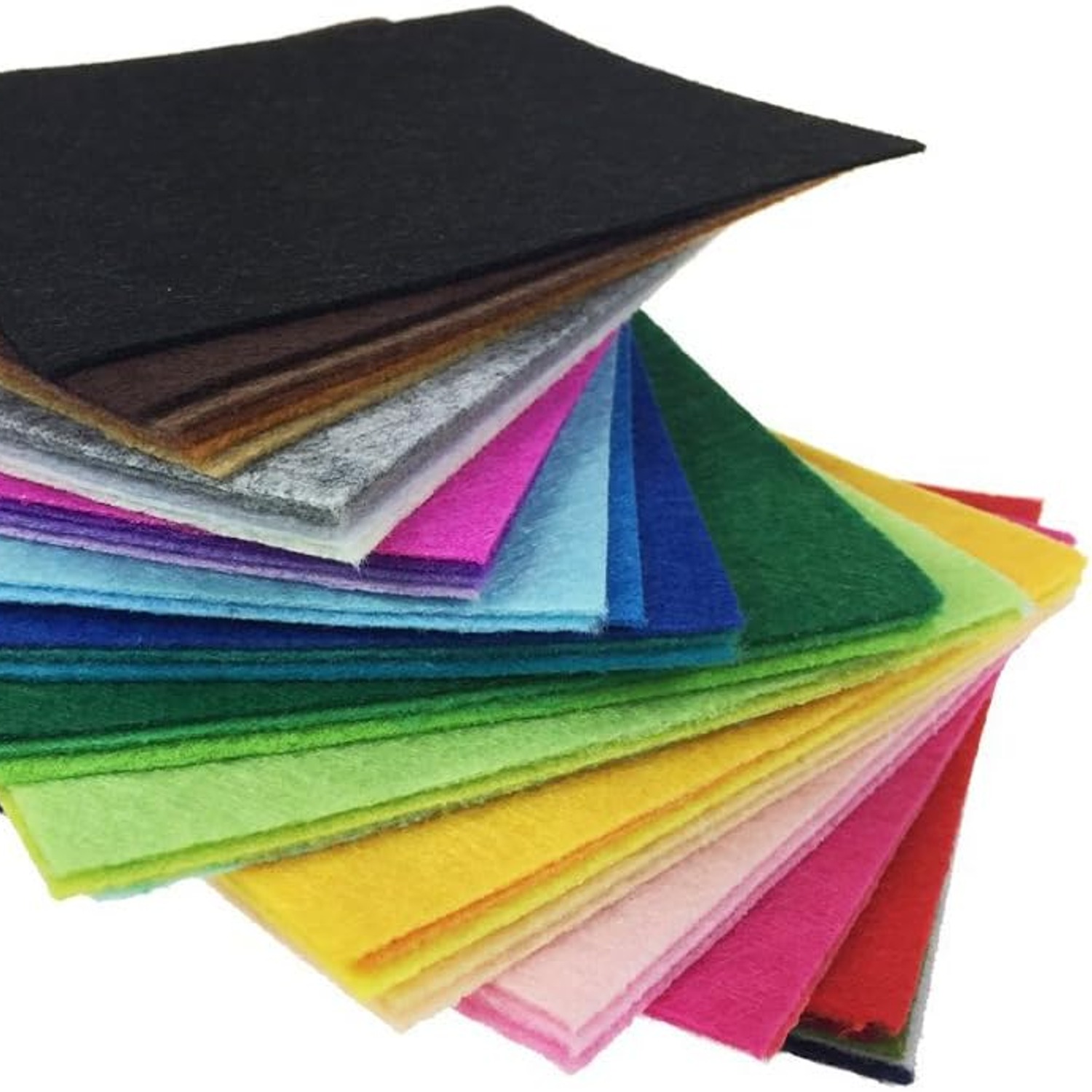
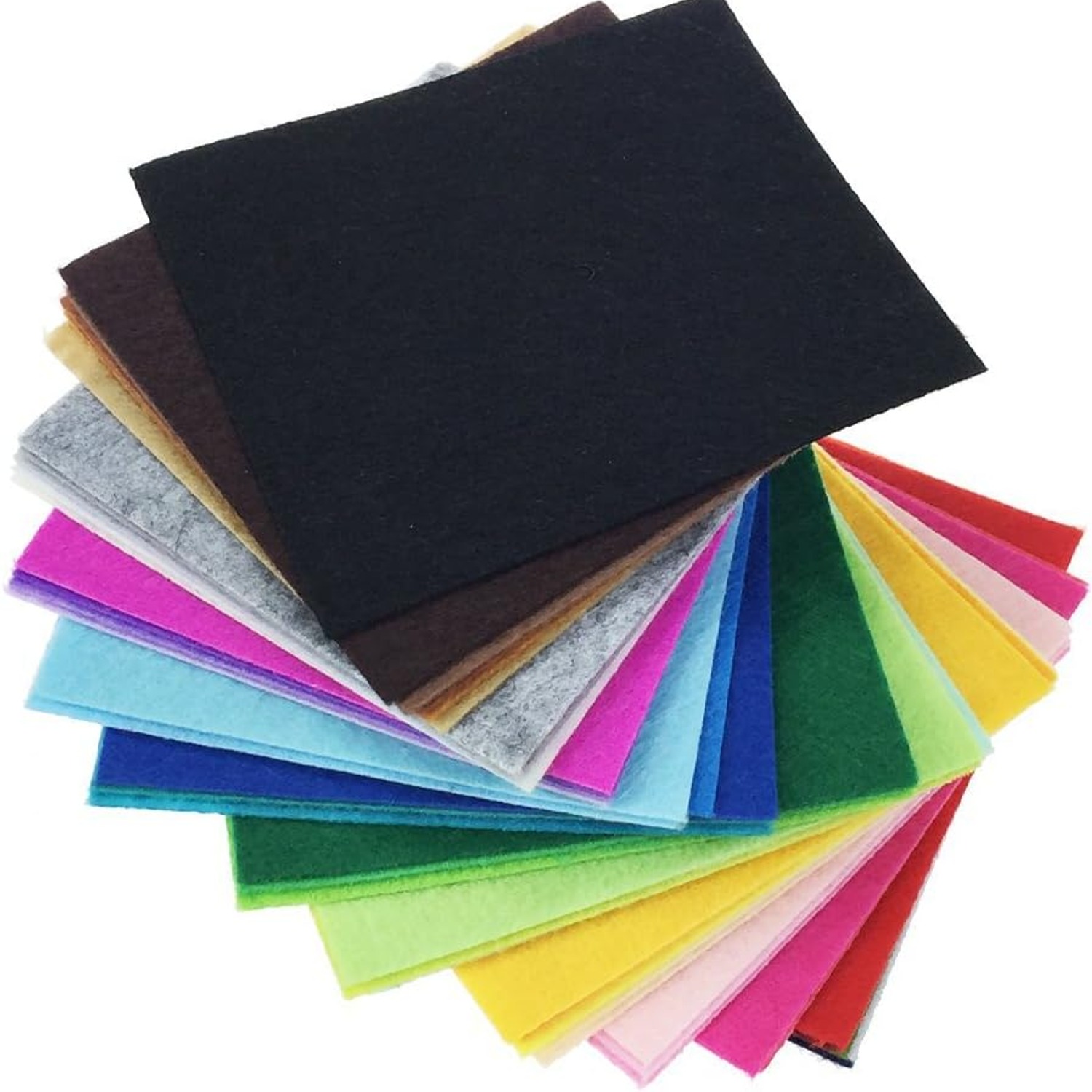
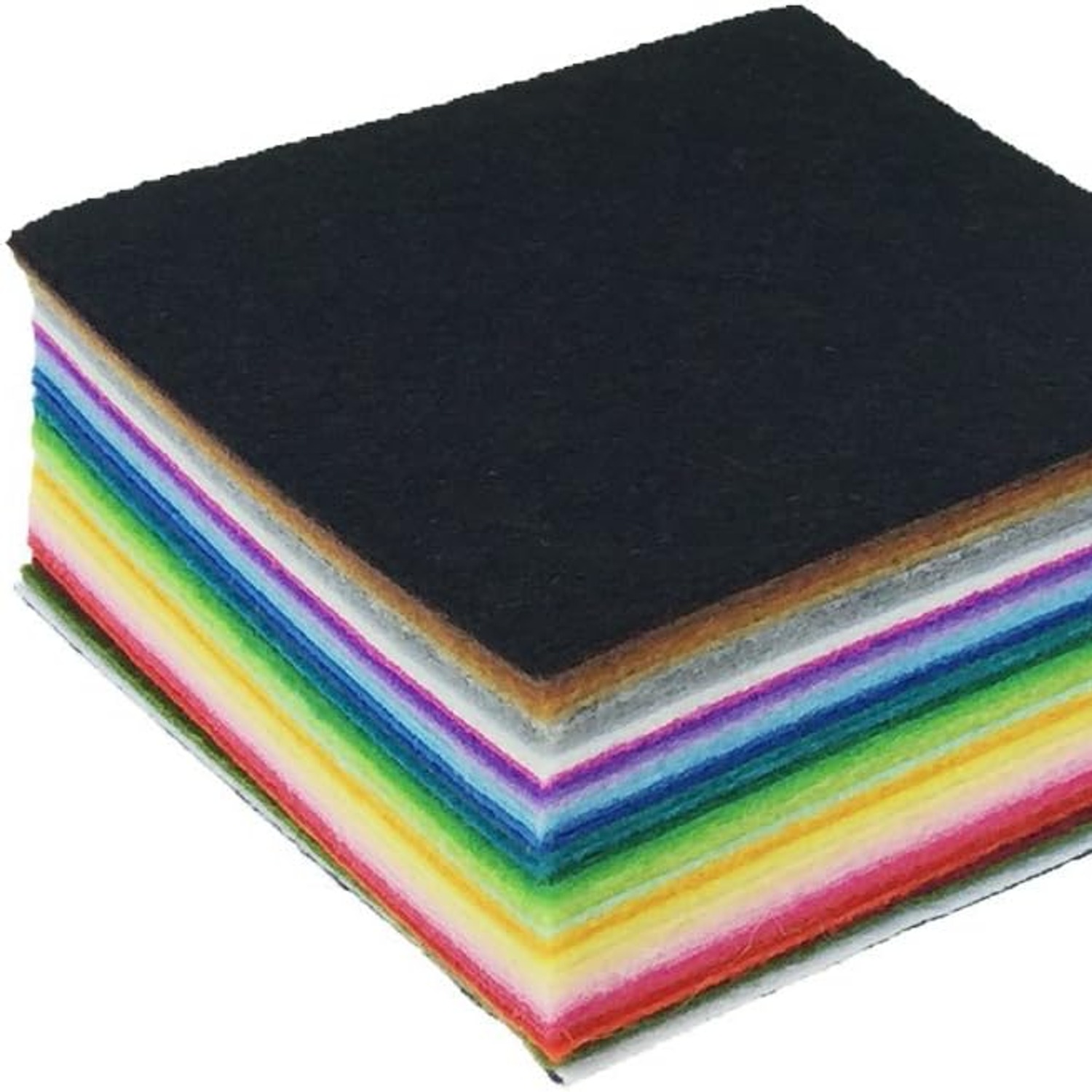
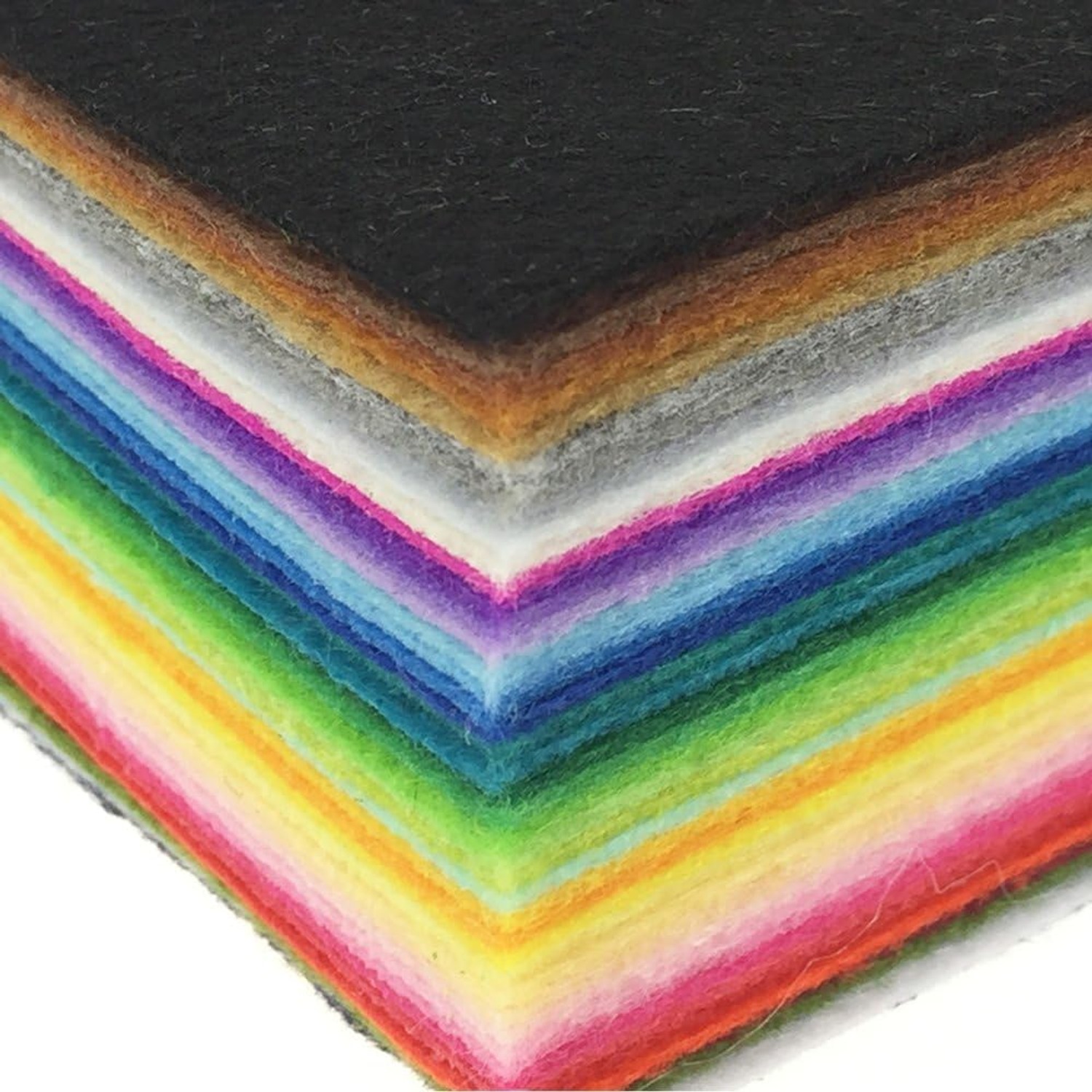
This pack takes a different approach. It contains 42 felt sheets in 42 different colours, each measuring 10 x 10 cm. The format gives you a choice of colours for small work without starting with a large sheet.
The main thing to check is scale. These are small squares, not full-size fabric panels. They make more sense for card details, decorative shapes and small sewing projects than for a large bag or a continuous background.
What you get in the pack
The listed contents are 42 precut squares with an approximate thickness of 1.0 mm. Each piece gives you a fixed area to work within, so a quick paper template can tell you whether the pack fits your idea.
The colour range is described as 42 different colours. That offers variety, but it also means you should not expect several identical sheets of a favourite shade. Exact colour names are not given by the maker.
For a design that needs one small piece in many colours, that mix may be useful. For a repeated design in one exact colour, a larger single-colour sheet may be a better choice. Think about how much of each shade your project needs, not just the total number of pieces.
How craft felt works
This craft felt fabric has a non-woven construction. The maker lists cutting, folding, gluing, sewing and stapling among its uses. Drawing and painting are also listed, giving you different ways to add details.
Your joining method should follow the project. A card decoration may call for a tested adhesive, while a small sewn motif needs room around the edge for stitches. A temporary paper display has different demands from something that will be handled often.
Try the whole process on a spare piece first. Cut a sample shape, attach it to your backing and check the result once any adhesive or paint has dried. That small test can help you avoid spoiling a colour you only have once.
Check the material if fibre content matters
There is an important limit in the maker information. The product details describe a rayon and wool blend, while other wording refers to acrylic felt. Those descriptions do not give a clear, consistent account of the fibre content.
If you need a particular fibre, ask for confirmation before ordering. This matters for wool sensitivities, vegan material choices and projects with strict fabric requirements. Do not assume the pack is pure wool or wool-free.
The same caution applies to care. A familiar look does not mean two felt products can be cleaned or heated in the same way. For this pack, spot cleaning is the stated instruction, and no confirmed ironing temperature is supplied.
Who this assorted pack may suit
Multicoloured felt sheets can be useful when colour choice matters more than having a large amount of one shade. Someone making small card motifs or trying a few decorative ideas may find this format easier to plan around than fabric by the metre.
It may also suit beginners who want to practise simple cutting and stitching. A square offers a clear working area. Start with broad shapes before trying tight curves or narrow details, especially if you have not worked with felt before.
For experienced makers, precut felt fabric may serve as a supply of small accents. It is still worth checking every template. Familiar techniques cannot make a shape fit if its widest point exceeds the sheet.
Measure your design before choosing
Draw the largest part of your design on paper at its finished size. Then add any extra space needed for stitching, folding or attaching it to another piece. Place that template inside a 10 x 10 cm outline.
If you need a front and back, count both. If a motif repeats, work out how many copies can fit on one square without overlapping. Do not rely on the pack count alone, because 42 sheets in different colours is not the same as 42 sheets in your chosen colour.
This is especially useful when choosing felt for hand sewing. A design that fits neatly as a flat shape may become too small once you leave space for a seam. A paper trial is much easier to change than a cut sheet.
Plan colours before cutting
Lay the squares out before making the first cut. Choose the background and main shape together, then look at them from the distance at which the finished item will be seen. Small details can get lost if the colours are too close.
For patchwork craft felt projects, try arranging the pieces without attaching them. Move the colours around until you are happy with the balance. Take a photo as a reminder if you need to clear the table.
Keep your plan flexible when shade matching matters. The maker does not provide a named colour chart, so it cannot promise a match to existing thread, ribbon or fabric. An assorted pack is better approached as a palette to choose from than a precise colour-matching service.
Choose projects that fit the squares
Felt shapes for cards are one way to use small pieces. A simple flower, initial or layered shape can be planned within a square. Test the glue against the card stock, and check the finished thickness if the card will go into an envelope.
Small hanging decorations are another possible use. Draw the shape first and decide how it will attach or hang before cutting. If the item uses more than one layer, remember to count each part in your material plan.
For school work, these sheets can provide coloured details on a larger backing. They are not large bulletin board sheets. Use them as small elements in a display rather than expecting one square to cover a broad area.
Pick tools and attachment methods carefully
Use tools suited to the task and your experience. When working with children, an adult should choose the activity and supervise scissors, needles, staples and small cut pieces. Suggested school use is not the same as an age rating or safety certification.
For glued work, follow the adhesive maker's instructions. Test for visible marks and let the sample dry before judging the bond. A glue that works on paper alone may behave differently when fabric is added.
For stitched work, test the needle and thread on an offcut. If you plan to use a sewing machine, follow its guidance and make a small trial with the same number of layers. Machine settings are not provided for this product.
Keep useful offcuts
Small scraps can still have a role when the next project only needs a tiny accent. Keep usable offcuts in a separate envelope or box rather than mixing them with full squares. That makes it easier to see what remains.
Before cutting into a fresh sheet, check the scraps. A small shape may fit an existing piece, leaving the full square available for something larger. Avoid keeping pieces so tiny that they become hard to sort or unsuitable for your workspace.
This is a simple way to organise felt craft supplies without a complicated storage system. A flat folder for whole sheets and a small container for offcuts may be enough.
Care for finished work from the start
Care is easier to plan before you choose a project. Spot cleaning is listed for this felt, so think carefully before attaching it to something that needs regular washing. The finished item's care will also depend on its backing, thread and adhesive.
Test cleaning on a spare piece where possible. Use a gentle approach and let it dry fully before storage. Do not assume soaking, machine washing or ironing will be suitable.
Store unused sheets flat in a clean, dry place. Keep finished pieces from being crushed where practical, especially if they include raised shapes or glued details. Good storage also makes your remaining colours easier to see.
Check timing and purchase terms
If you need felt for decorations for a dated event, check delivery information before ordering. Leave time to test your methods as well as make the finished pieces.
Read the current returns policy before cutting or marking the pack. If the size or colours do not suit your plan, ask us about your options while the sheets are still unused.
For a gift, consider the recipient's preferred projects. Someone who enjoys small, varied designs may welcome an assorted pack. Someone who mainly makes large items in matching colours may need a different format.
The short version
This pack offers 42 different colours of felt in small 10 x 10 cm squares. It is worth considering for decorative shapes, card details and other projects that need modest amounts of several colours.
Measure your templates, count repeated parts and test your tools before cutting. Confirm fibre content if that matters to you, and plan around spot cleaning. The right project is one that fits both the sheet size and the way the finished item will be used.