
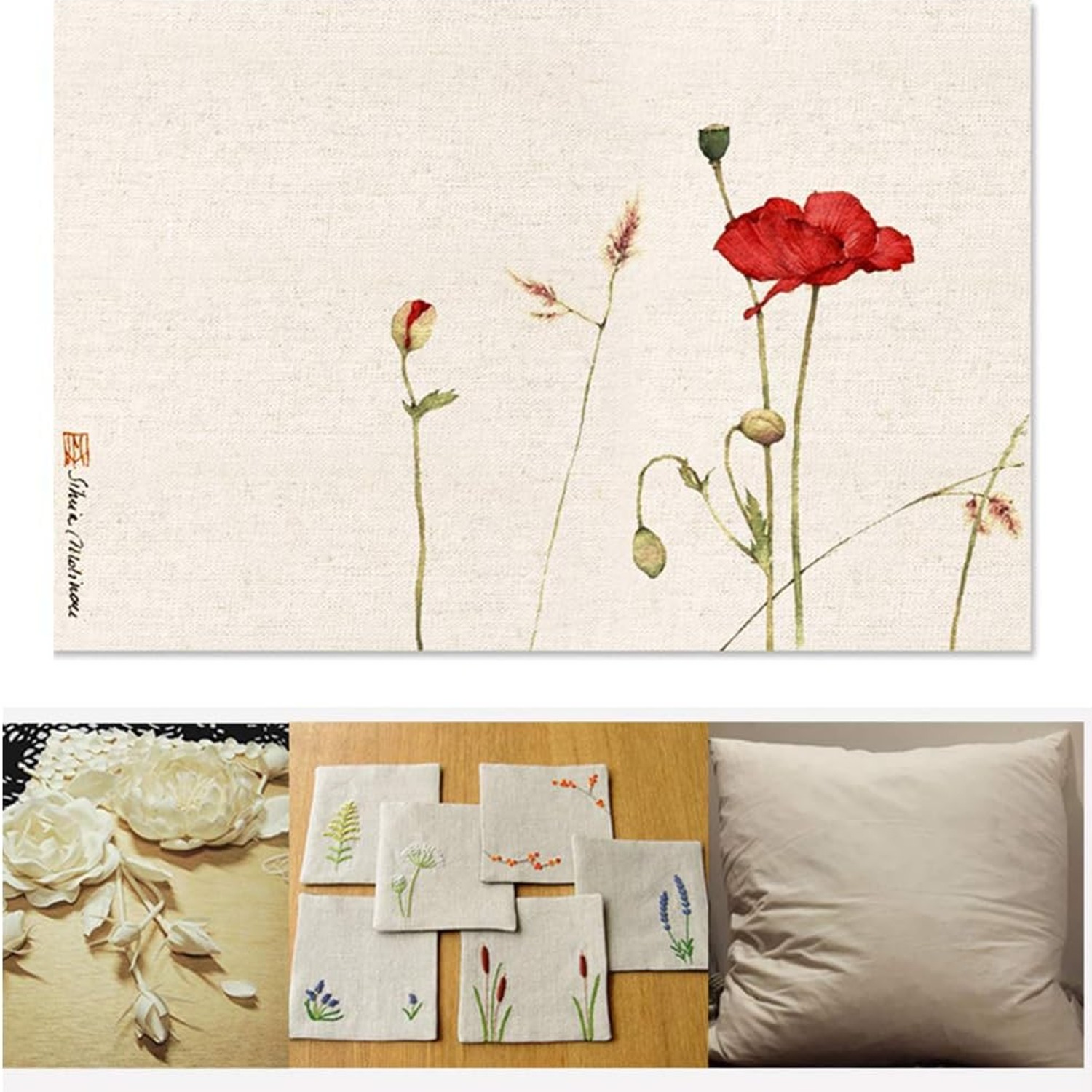
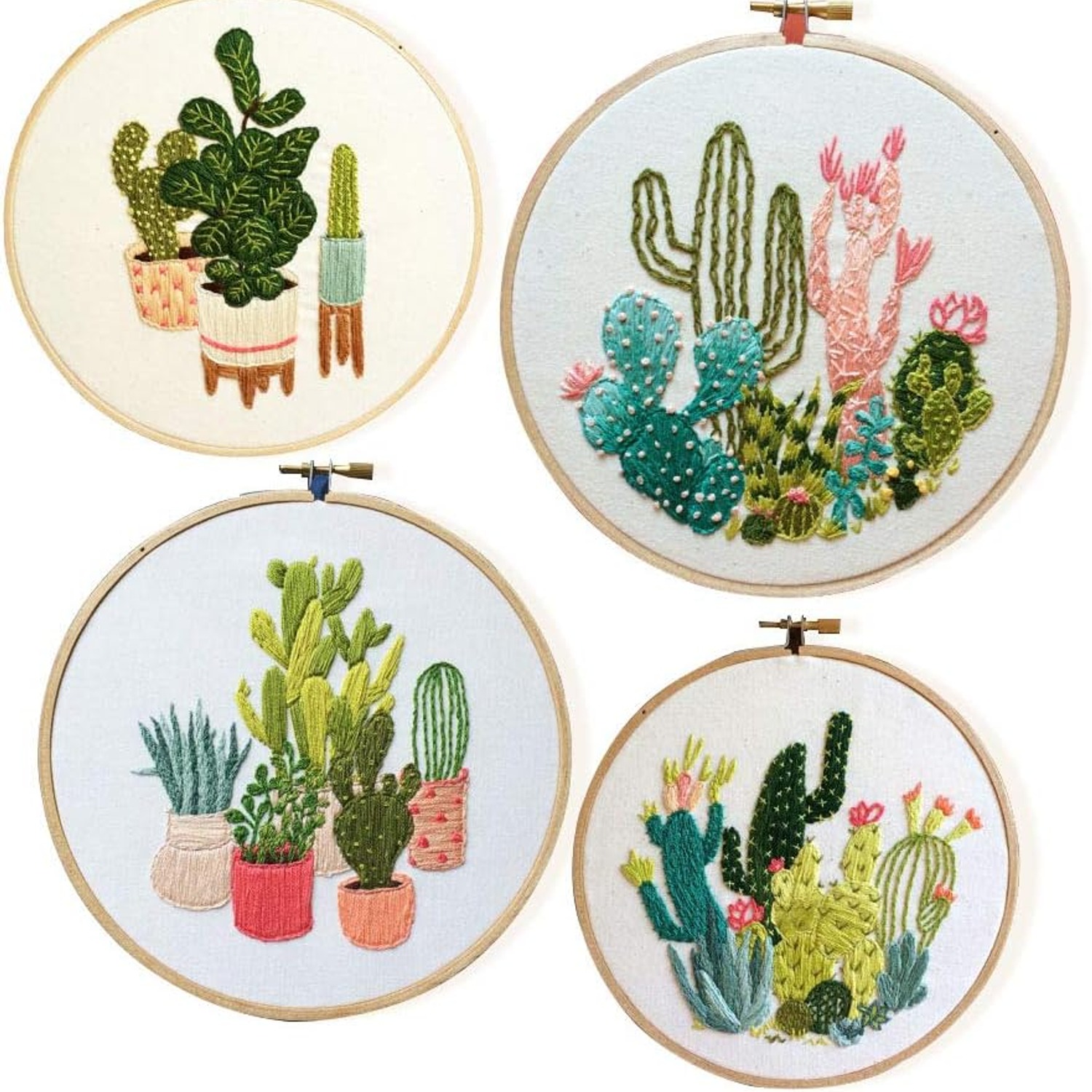
The complete guide
Choosing Linen Fabric Pieces for Small Needlework Projects
Choosing fabric for a small embroidery project can take longer than choosing the design. A large length may be more than you need, while a single colour can limit the ideas you want to try. Precut squares offer another way to begin, especially when you want to compare thread colours on different backgrounds.
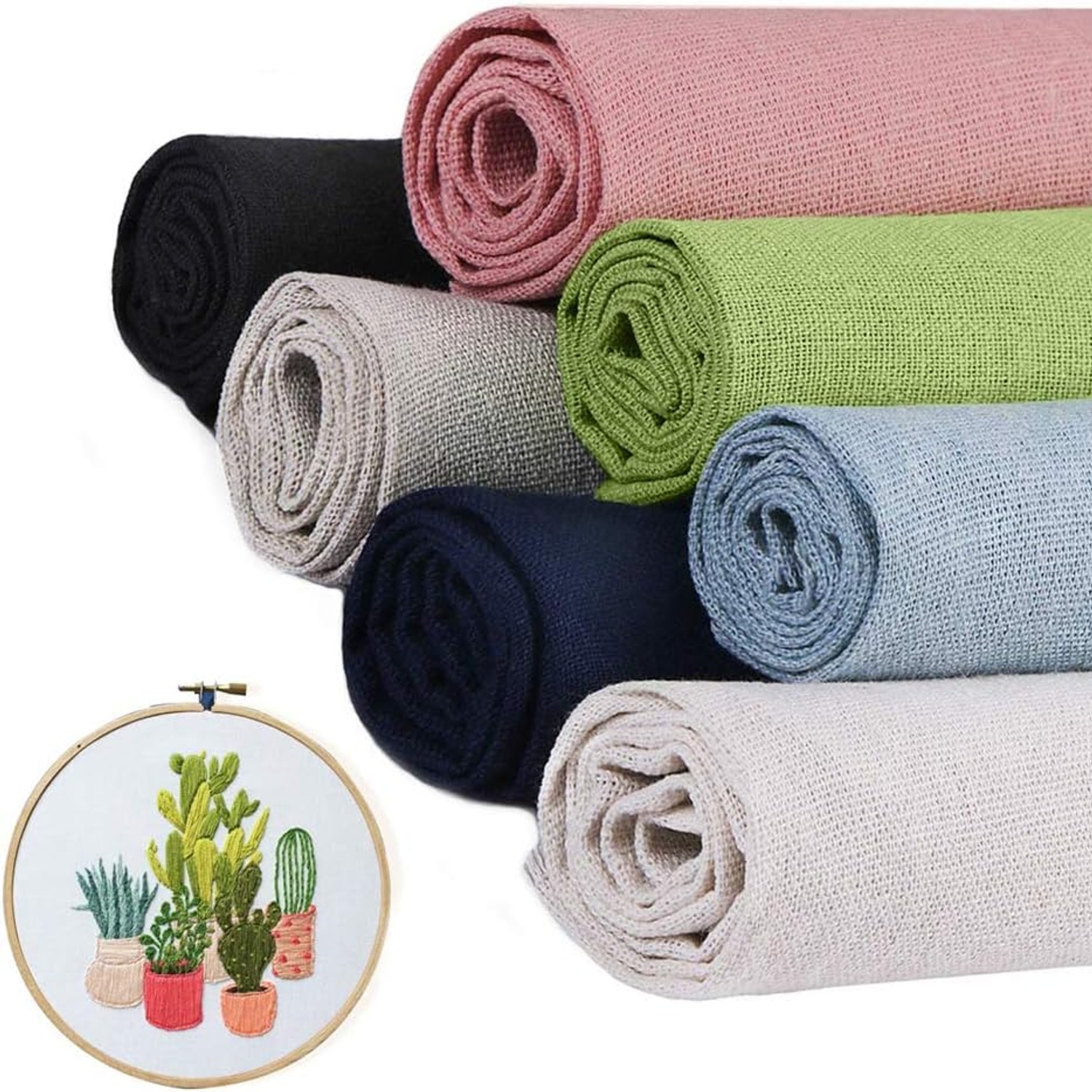
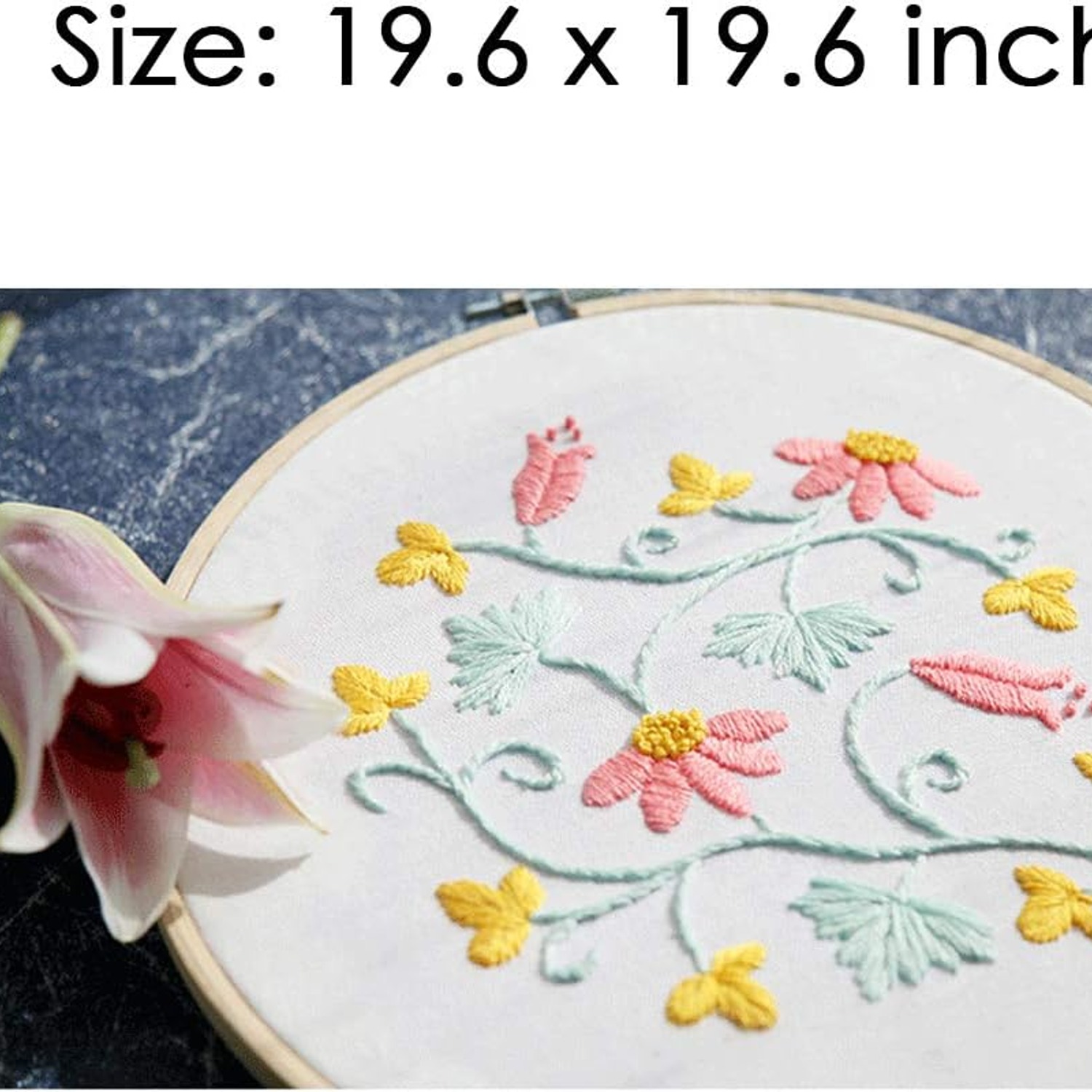
This seven-piece set contains linen fabric pieces measuring approximately 50 cm by 50 cm each. It gives you several solid colours for needlework and small sewing projects. The key is to match those pieces to the work you have in mind, rather than assume that every linen cloth suits every technique.
Start with the project, not just the colour
Before choosing fabric, decide what the finished item needs to do. A decorative sampler has different demands from a handkerchief that will be washed often. A small table accent also needs enough fabric for a neat edge, not just enough to cover the design.
Write down the finished size, then add the space needed for seams or hems. If you plan to use a hoop, include enough spare fabric for it to hold securely. These allowances can turn an apparently small design into a project that needs most of a square.
The supplied pieces are approximately 50 cm square. That is the starting size, not a promised finished size after washing, trimming and hemming. Measure the fabric in hand before marking an exact layout.
What this seven-piece set offers
The set is listed as linen, with a plain weave and a solid pattern. Its precut form means you start with separate squares rather than fabric sold by the metre. You can keep each piece whole or cut smaller sections for individual designs.
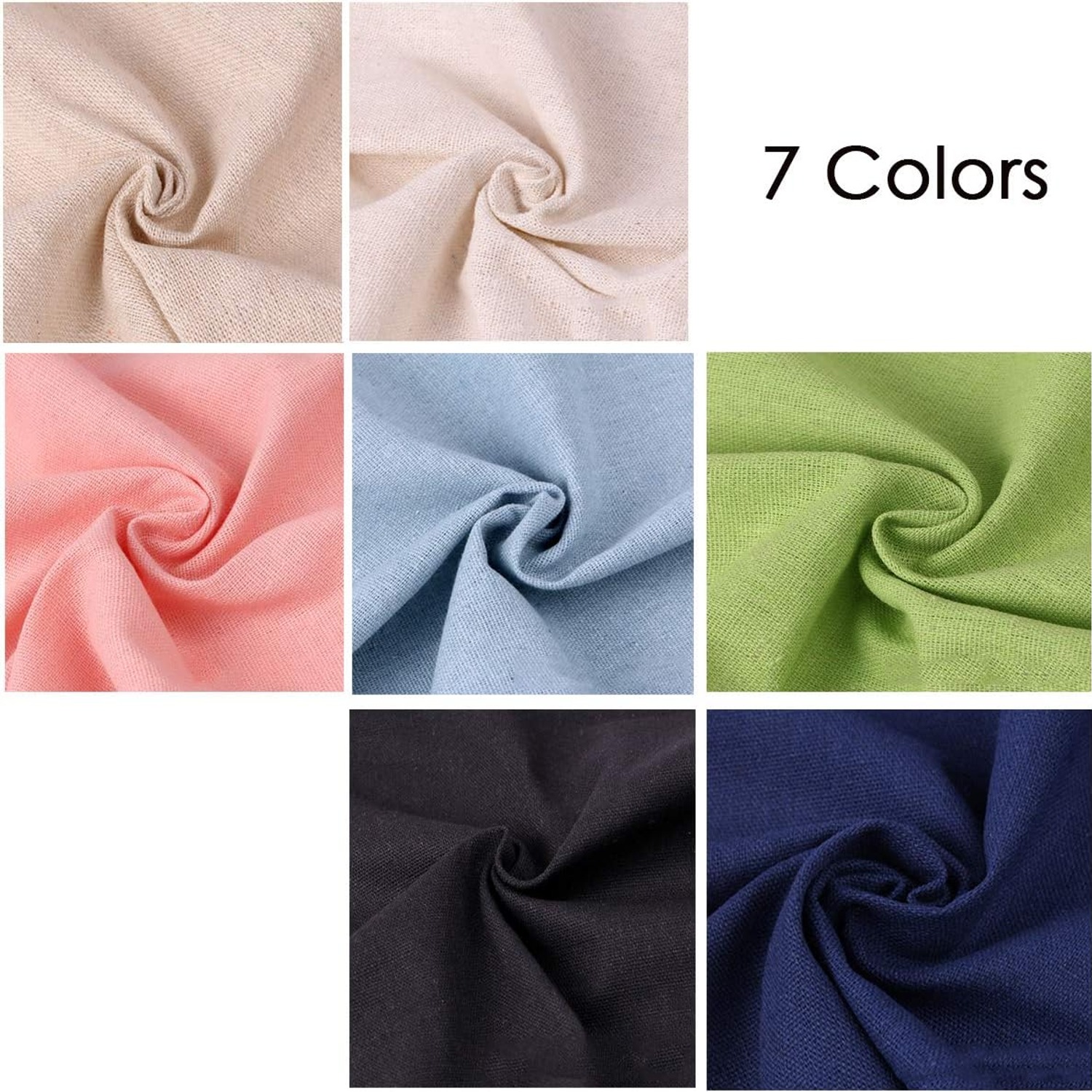
The listed colours are White, Beige, Azure, Green, Pink, Blue and Black. Maker descriptions also use terms such as sky blue, light green and navy. These names describe a broad palette, but they do not provide an exact shade standard.
That range makes coloured linen fabric worth considering when background choice is part of the design. Lay your threads over the different squares before tracing anything. A colour combination that looks clear in your hand may look quite different once stitched across a larger area.
How linen works as a stitching background
In hand embroidery, the fabric holds the stitches and remains part of the finished design. Its colour shows between threads, and its surface affects how the work looks. Choosing linen embroidery fabric is therefore about both the base cloth and the pattern you plan to add.
This product has a listed plain weave. The maker does not give a thread count, fabric weight per square metre or verified evenweave structure. Those missing details matter if you need a precise grid or a certain level of coverage.
For a freehand design, try a short line and a small filled area on spare cloth. Look at how your chosen thread sits and whether the needle passes through comfortably. A small test can help you change tools before hours of work are involved.
Know when a fabric count matters
Some embroidery follows a drawn outline. Other work depends on counting threads or holes. These approaches do not always call for the same cloth, even when both are described as needlework.
If your pattern specifies a particular count, the maker's description does not provide enough information to confirm a match. Do not treat the squares as counted cross-stitch fabric simply because they are sold for embroidery.
For embroidery sampler fabric, start by deciding what you want to practise. Freehand lines, small motifs and thread comparisons need different planning from a charted pattern. Choose a fabric with a stated count when the pattern's scale depends on it.
Choose colours around your thread
A background can make a design easy to see or cause parts of it to disappear. Before settling on a square, place the full thread selection across it. Include the palest and darkest threads, not just the main colour.
White and beige are options when you want a light background. The blue, green, pink and black pieces give you other choices. There is no single right shade for every design, so judge the combination under the light where the finished piece will be seen.
If colour matching is important, allow for uncertainty in names and screen images. This set may be less suitable for a commission that requires an exact shade reference. A flexible design gives you more room to work with the colours supplied.
Make the most of each square
Precut linen fabric can be handy for small projects, but cutting too early can waste useful space. Sketch your layout on paper first. Mark the finished area and the extra cloth needed around it.
Keep larger sections intact until you know how the project will be finished. A design intended for a hoop display may need a different allowance from one sewn into a pouch or hemmed as a small cloth.
Save the offcuts. Even a modest scrap can help you check a transfer mark, stitch tension or wash method. Keeping a test piece from each colour is more useful than assuming that every square will react in exactly the same way.
Who this set may suit
These needlework fabric squares may suit someone who enjoys trying small designs on different backgrounds. They also offer a way to separate practice work from a main project without cutting into one large length.
For beginners, the useful starting point is a simple pattern with room around it. Try a few stitches, inspect the result, then decide whether to continue. Buying fabric for hand embroidery does not remove the need to match the needle and thread to the cloth.
More experienced stitchers should check the gaps in the specification. Fibre percentages, GSM and thread count are not provided. If your usual work depends on one of those details, seek confirmation or choose fabric with a fuller technical description.
Think beyond embroidery, within the size limits
The maker suggests handkerchiefs and tablecloth projects as well as embroidery. Those uses still need to fit the available dimensions. A single 50 cm square should be considered for a small table accent, not assumed to cover a full dining table.
As linen handkerchief fabric, the cloth would need cutting and edge finishing. Assess the feel yourself before making an item intended for frequent contact with skin. The maker describes the fabric, but it does not establish how every person will find it.
For other small sewing project fabric ideas, start with a pattern that states its material needs. Stretch is listed as an additional feature, yet no amount or direction is given. It should not be used as the basis for choosing a fitted pattern.
Prepare raw edges and test before washing
The maker notes that loose threads may be present at the edges. Treat the pieces as raw craft fabric that may need finishing, rather than as ready-made household cloths.
Before washing, consider securing the edges to help limit fraying. If you plan to trim them, keep the project allowance in mind. Removing a little from every side reduces the usable area.
Machine washing is listed, but no temperature, cycle or drying method is supplied. Check any label included with the fabric. A small wash test is a sensible first step for washable linen fabric, particularly when the finished item's size matters.
The same caution applies to colour combinations. No colourfastness or shrinkage results are provided. Test before joining different shades or adding threads whose care needs may differ from the base cloth.
Plan the care of the finished item
Once embroidery or trims are added, the fabric is only one part of the care decision. Thread, backing and decorations may need a gentler method than the cloth itself. Follow the most suitable instructions for the complete project.
Keep a note of what you used and how you tested it. This can be useful if you are making fabric for handmade gifts, since the recipient may ask how to clean the finished item.
Store unused squares somewhere clean and dry, away from direct sunlight. Keep test scraps with the remaining fabric so you can refer to earlier results instead of repeating each test.
The short version
This set offers seven solid-colour linen precuts, each approximately 50 cm by 50 cm, for embroidery and small sewing ideas. Its appeal is the choice of backgrounds and separate pieces, rather than a detailed technical fabric specification.
Choose it when the size and colour range fit your plans. Check elsewhere for a stated thread count, exact shade standard or confirmed fibre percentage if your project requires one. Leave room for finishing, test before committing, and let the fabric in hand guide the next step.