
The complete guide
A Buyer's Guide to Grey Faux Fur Fabric Squares
Add texture without starting with a full fabric length
A small craft project can call for just a little fur. You might need a fluffy patch, a pom pom or a textured panel for a handmade cover. Buying fabric without first checking the shape and size can leave you with too much material, or a piece that is too small once seams are included.
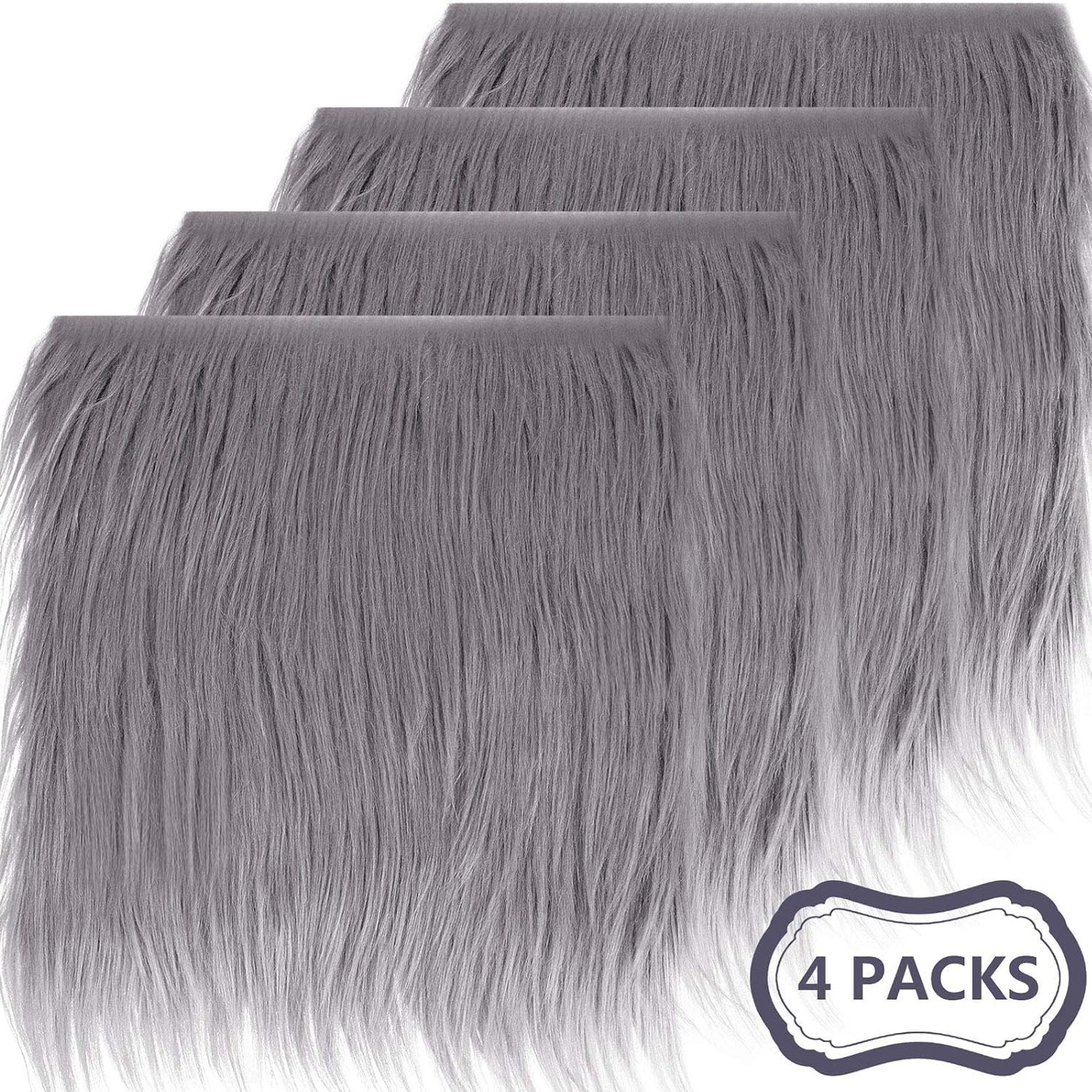
These craft fur squares give you four separate pieces of grey faux fur. Each is roughly 25 cm square. That format suits planning small details, testing an idea or dividing material between several projects.
The key is to treat the pack as a set of craft components. It is not a finished cushion, seat pad or rug. What you can make depends on your pattern, your joining method and any other materials you add.
What you get and how the fabric works
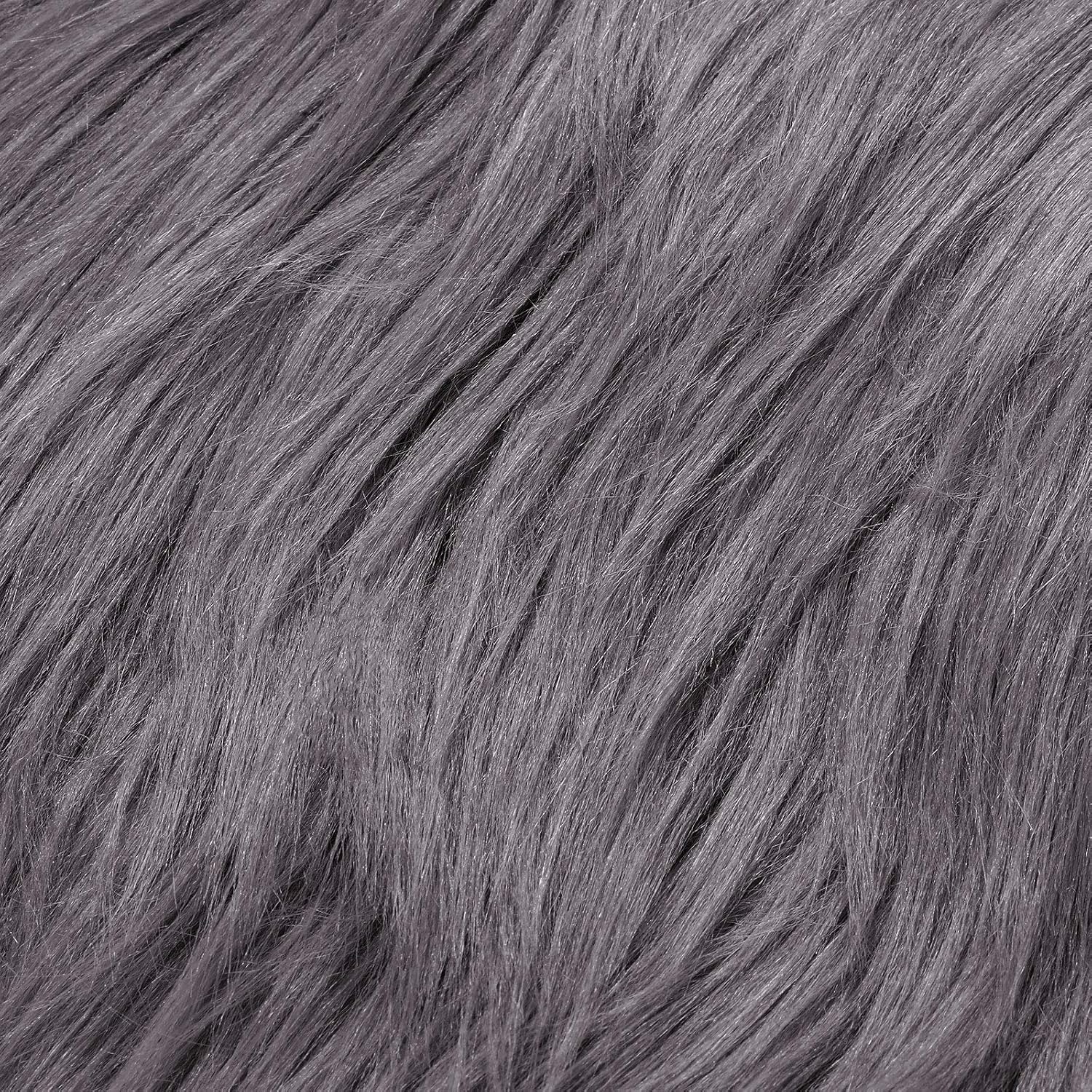
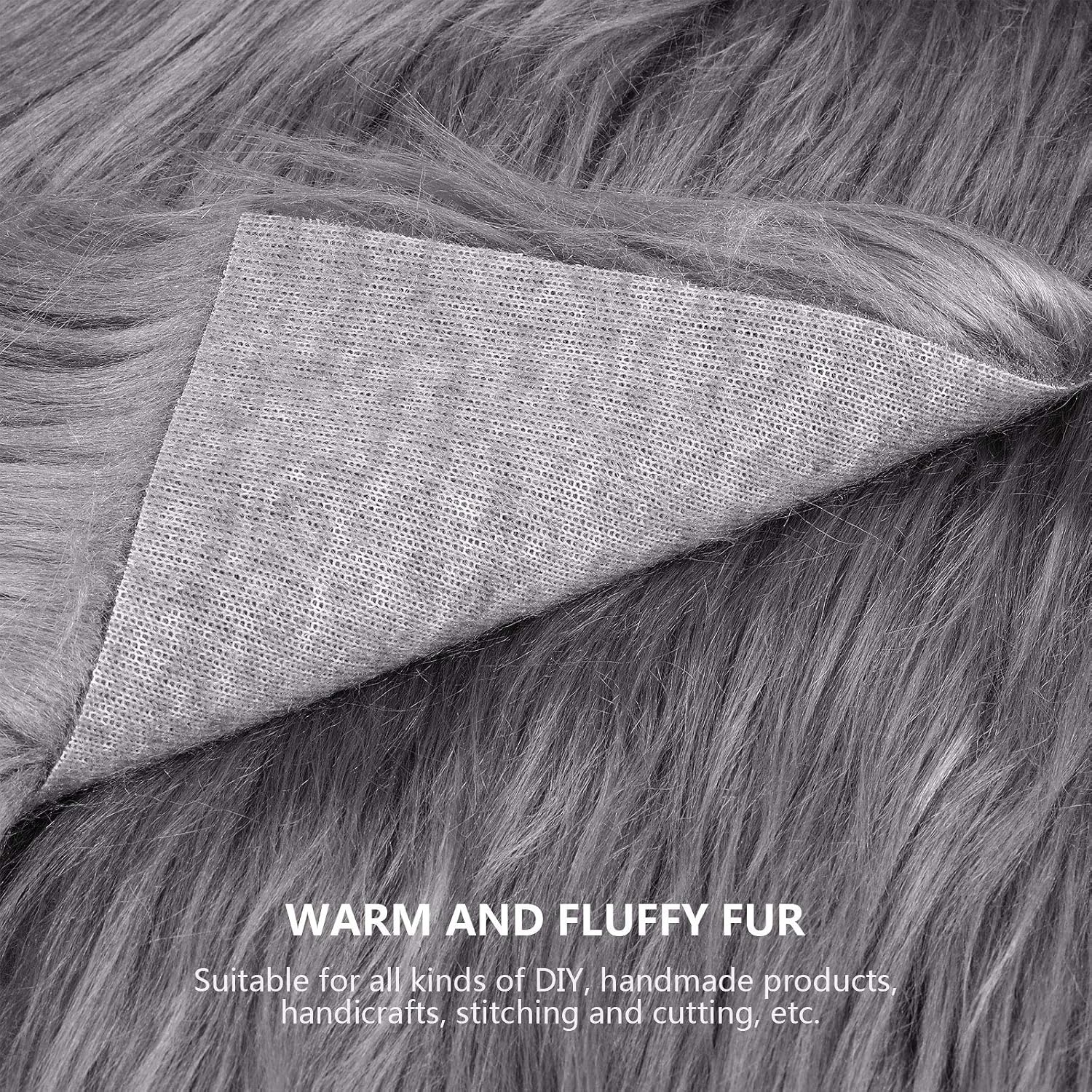
The pack contains four solid grey squares with a shaggy pile surface. Pile is the raised fibre layer that gives the fabric its furry look. The maker describes both the fur and backing as soft.
You can cut the squares into shapes, sew them and join separate pieces. This gives you a few ways to use the pack. Keep a square whole for a panel, cut smaller decorative fur patches, or combine pieces for a larger design.
There are limits to the information available. The exact fibre blend, backing composition and pile length are not stated. Neither are stretch, thickness or fabric weight per square metre. Those details can matter for fitted clothing or a pattern written for a very specific material.
If your project depends on one of those features, ask for confirmation before ordering. A furry appearance alone does not tell you how the backing will behave.
Check the size before choosing a project
The maker describes each square as approximately 25 x 25 cm, or 10 x 10 inches. A separate detail gives 25.4 x 25.4 cm. There is also a note that manual measurement may vary slightly.
For planning, think of these as roughly 25 cm squares rather than exact pattern pieces. Measure the actual fabric before marking your final cut lines. This is especially important when making paired pieces that need to match.
Seams reduce the finished size. A cushion panel cut from a whole square will not keep its full edge-to-edge measurement once sewn into a cover. Joining several squares also uses fabric at every seam.
Draw your project on paper first. Include seam allowances, folds and any shaping. Then check whether each section fits inside one square. This simple step is more useful than relying only on the total listed coverage of 2.77 square feet.
Who these squares may suit
This pack makes sense for someone who wants grey craft fabric in small, separate pieces. It may suit a hobby sewer adding a textured detail, or a crafter testing a new design without working around a large length of fur.
Beginners can use a small offcut to practise before committing to the main shape. Try a short seam, inspect the surface and check how the fabric handles. You do not need to make a large item to learn whether a technique works.
More experienced makers may prefer the squares for planned accents. DIY fur patches, small panels and shaped details can all begin with this format.
It is less suited to a project that needs a large unbroken area. A full shawl, large cushion cover or broad floor piece would require careful joining, additional material or another fabric format. Decide whether visible seams fit your design before buying.
Choose a project that fits the format
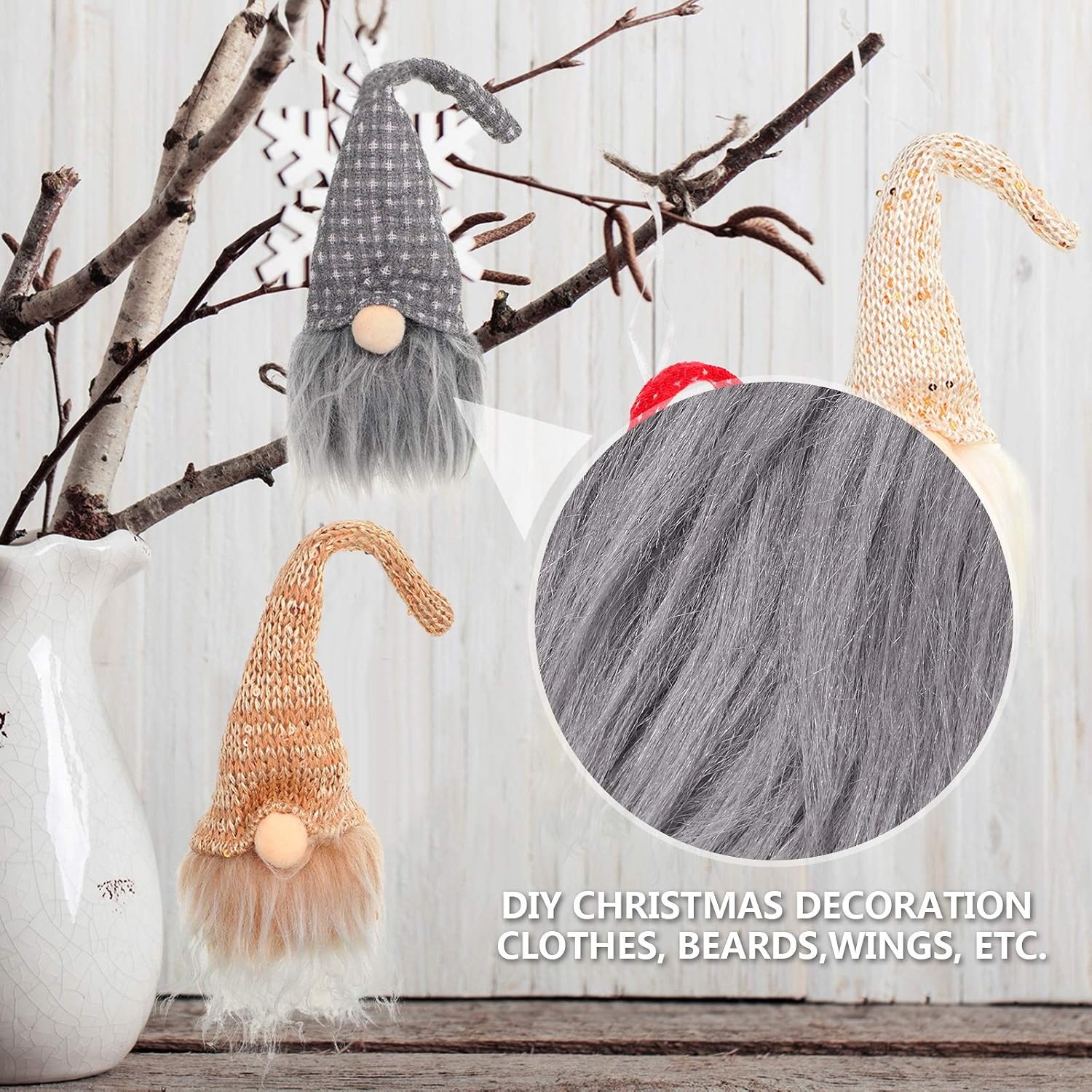
Pom poms are one suggested use. When choosing faux fur pom pom fabric, start with the pattern size and work out how many shapes fit on each square. Leave room for cutting rather than assuming every part of the surface will become a finished piece.
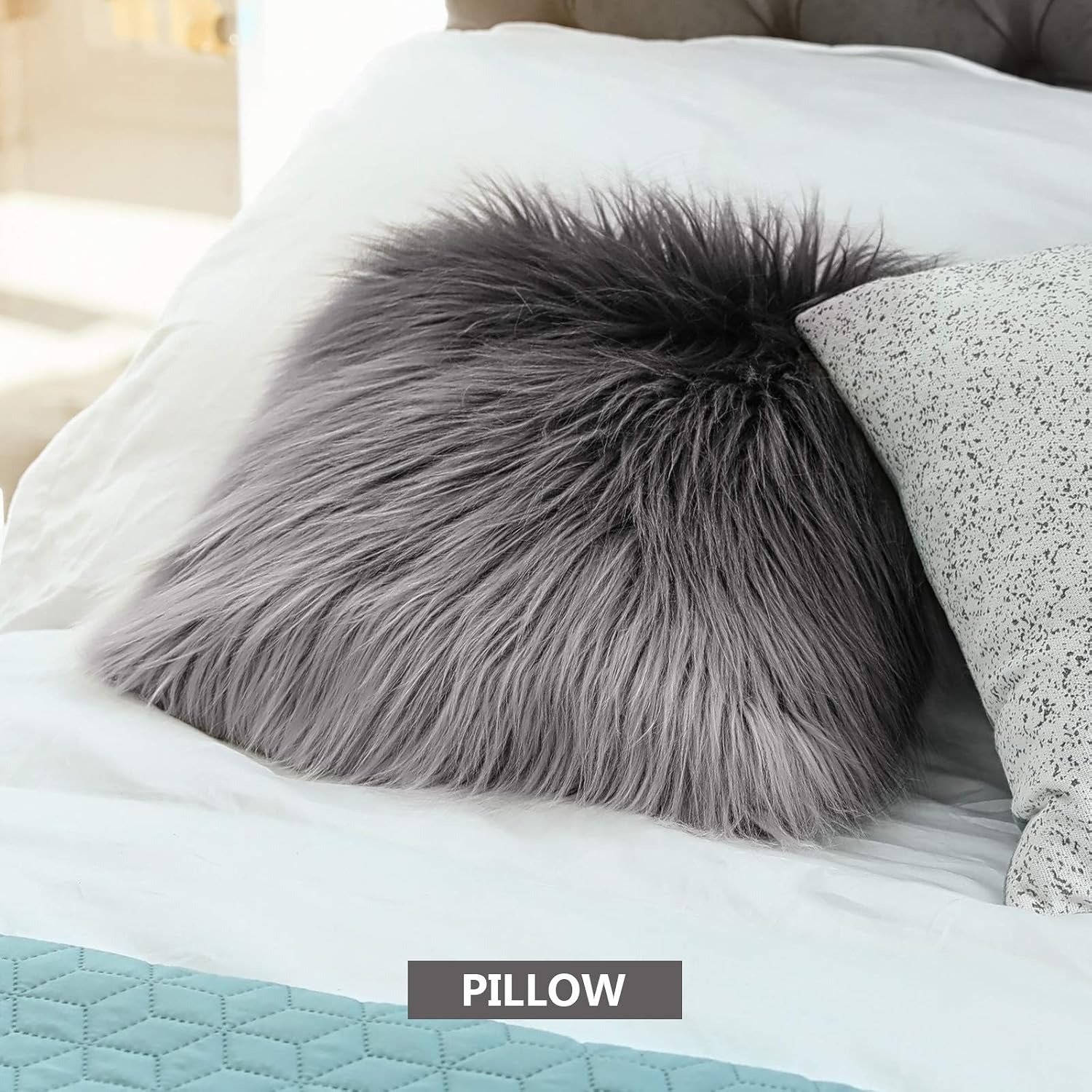
Decorative cushion work is another option. A square could become a small feature panel within a larger cover made from other fabric. The faux fur supplies texture, while the rest of the cover can be planned around it.
Clothing details and costume accents are also possible. Think about where the trim will sit and how it will attach. A non-stretch detail on a stretch garment, for example, needs a design that does not depend on both materials moving in the same way.
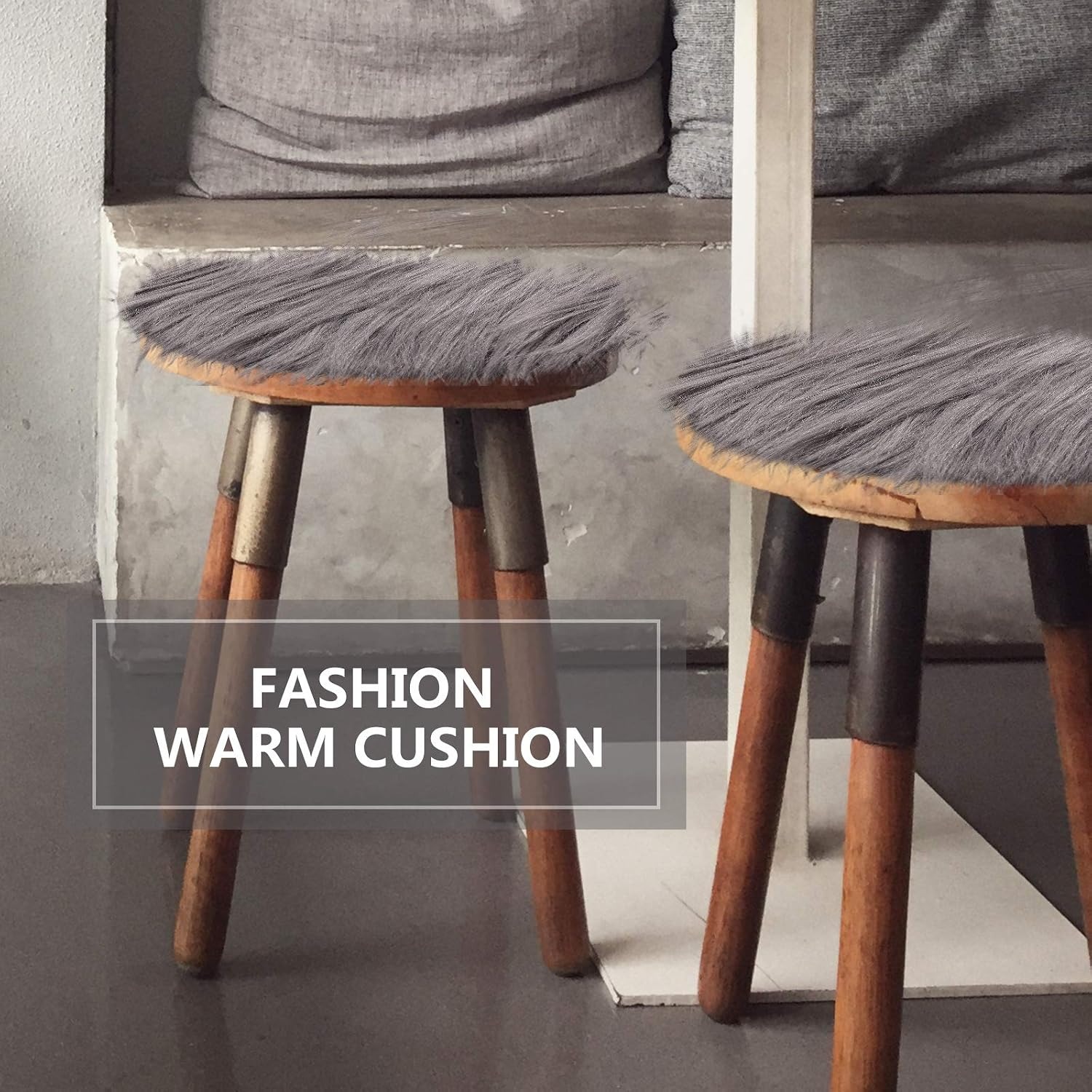
The maker also mentions carpet-style projects. That does not establish floor safety. No non-slip backing or wear rating is given, so do not treat these squares as a ready-to-use rug.
Plan the pile direction before cutting
Fur fabric for sewing needs a little layout time. Before marking shapes, look at the way the pile lies on each piece. Turn the squares under the same light and compare their appearance.
If you are joining panels, decide whether you want the surface to run in a consistent direction. Write a small direction mark on your paper pattern so you can repeat the layout. This is particularly helpful for paired details.
Place all the pattern pieces before making the first cut. A shape that fits when turned sideways may leave the fur facing a different way from its partner.
For cutting, work carefully from the backing side and test your method on a spare edge. The aim is to cut the intended shape without unnecessarily shortening the surrounding pile. Keep offcuts until the project is complete, since they can be useful for stitch and cleaning tests.
Test sewing and joining methods
The maker's description supports cutting, sewing and splicing, but it does not specify a needle size or machine setting. Use a small test piece to find a setup that works with your equipment.
Sew a short sample seam and check both sides. Look for puckering, missed stitches or backing that is being pulled out of shape. Make changes on the sample rather than on your finished panel.
Take care not to trap more pile in the seam than needed. Work slowly and inspect the result as you go. A little preparation is easier than undoing a long seam in shaggy craft fabric.
If your design uses adhesive, test that separately. Glue compatibility is not provided, and different adhesives can affect the backing or the finished feel. Sewing suitability does not mean every glue will be suitable too.
Understand the colour and texture limits
This is grey faux fur fabric with a solid pattern. The maker colour entry uses the code 10,Gray. The actual shade may look different from the screen image, as the maker's description notes.
If you need to match an existing item exactly, allow for that uncertainty. Grey can appear warmer, cooler, lighter or darker under different lighting. Compare the uncut material with your project before starting work.
The surface is described as fluffy and smooth, but there is no numerical pile length. Close-up images can help you judge appearance, yet they cannot confirm every handling detail.
For a project with strict material requirements, missing information is a reason to pause. There is no stated certification for toys, flame resistance or other specialist use. Choose according to the facts available, not assumptions about faux fur in general.
Unpack, clean and store with care
The squares are supplied vacuum packed, according to the maker's description. Compression may leave creases or flatten the fur. Open the pack and give the fabric time to rest before cutting it.
The maker suggests a hair dryer to restore fluffiness, but gives no safe temperature. Avoid untested heat. Check any care information that arrives with the fabric before attempting heat-based treatment.
Both hand washing and machine washing are listed. No wash temperature, cycle or drying method is specified. Test an offcut and follow any supplied label rather than choosing a routine based only on the word washable.
A completed project may need different care from the loose fabric. Filling, glue, trim and a second fabric can change how it should be cleaned. Follow the needs of the whole item.
Store the squares clean and fully dry. Keep your useful offcuts together so you have matching material for repairs or further tests.
Check the practical details before ordering
Count the pattern pieces you need, not just the number of finished items you hope to make. Some designs use several fabric sections for one small object. Others leave offcuts that cannot be reused in the same layout.
If the pack is a gift, it is most useful for someone who enjoys working with small fabric pieces. You could pair the idea with a suitable pattern, but remember that thread, filling and tools are not listed as included.
Delivery timing and return terms are not specified by the maker. Check our delivery and returns pages information before ordering for a deadline. Once the fabric arrives, compare it with your plan before cutting or washing it.
The short version
These four grey faux fur squares offer a small-format starting point for textured sewing and DIY work. They suit patches, pom poms, decorative panels and other designs that fit roughly 25 cm pieces.
Measure first, include seam allowances and test your methods on an offcut. If your project needs a precise fibre blend, a known pile length or one large continuous panel, confirm those needs before you buy.