
The complete guide
A Practical Guide to Choosing Ivory Charmeuse Satin Fabric
Start with the project, not just the shine
A fabric can look right in a photo and still be wrong for the job. Perhaps your pattern needs stretch, your table runner needs more length, or the ivory shade has to match something you already own. Checking those details first can save a lot of cutting and unpicking.
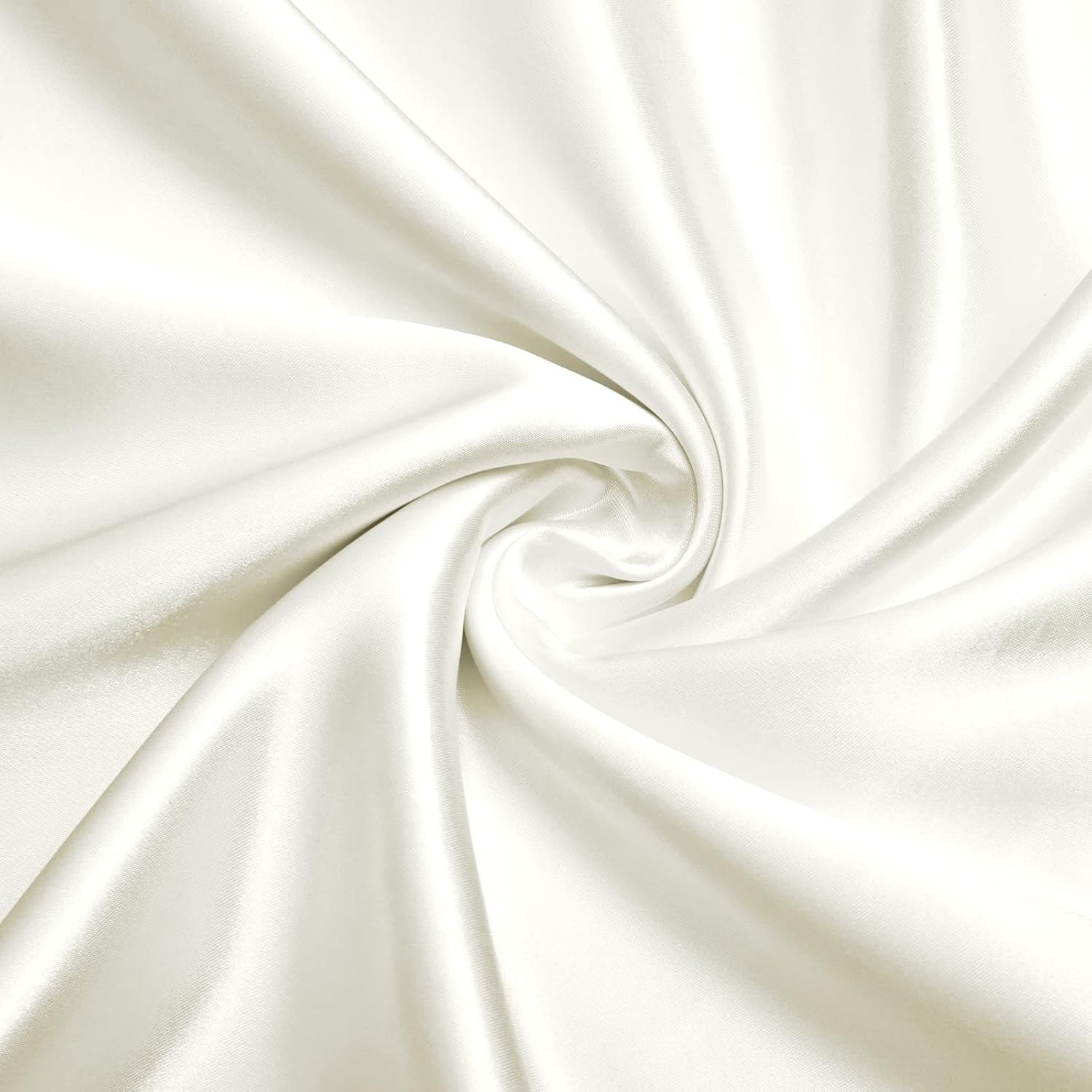
This ivory charmeuse satin fabric is a 3-yard selection with a listed size of 108 by 60 inches. It is described as 100% polyester, with a solid ivory white colour and a smooth, glossy surface. Suggested uses range from gowns and costumes to scrunchies, table decorations and small fabric crafts.
That gives you several possible starting points. The next step is to decide what your particular project needs, then compare those needs with what is actually known about the fabric.
Understand what satin means
Satin describes a fabric construction, not a fibre on its own. This product is polyester satin, not silk. That distinction matters when you compare materials or follow a pattern that calls for a specific fibre.
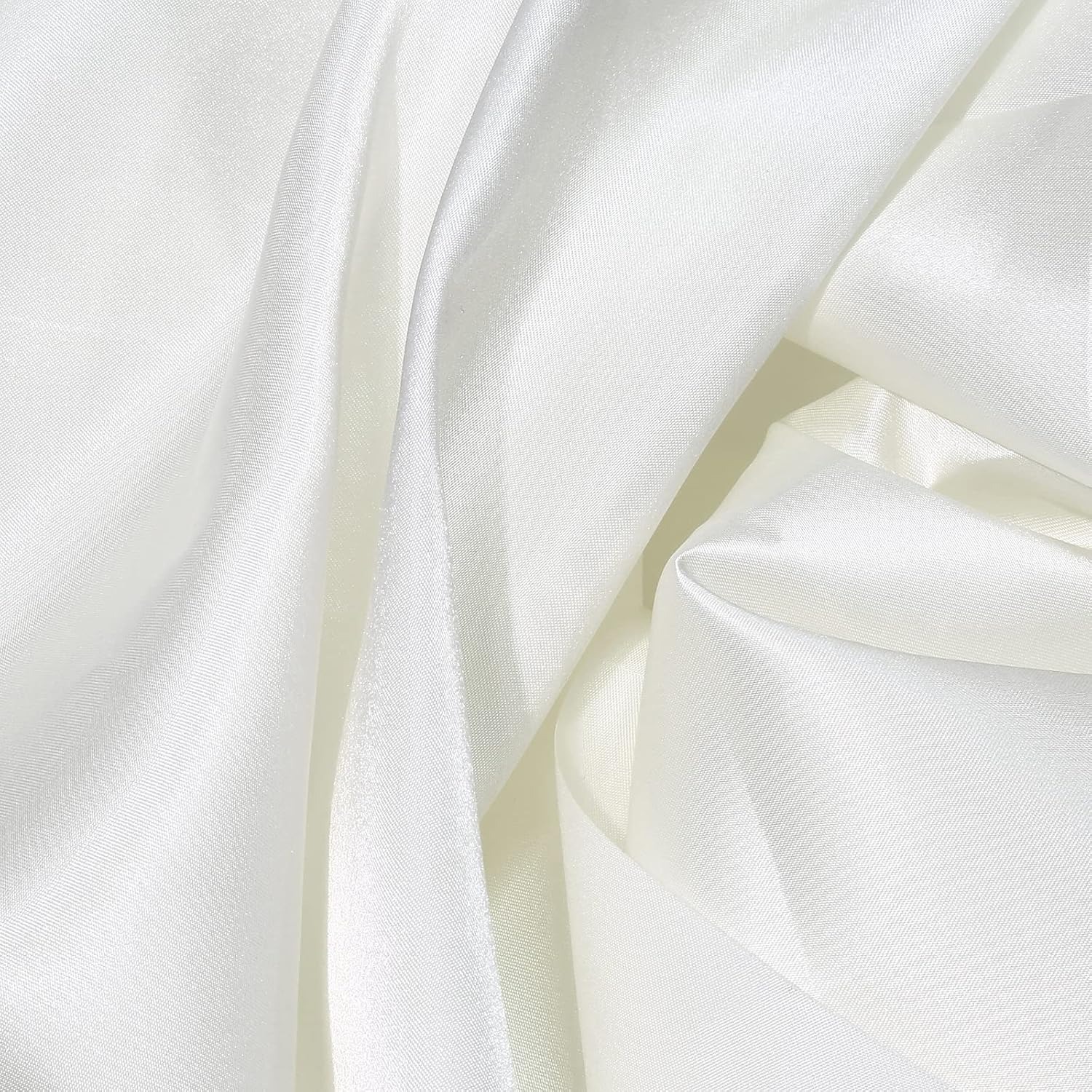
The maker describes a soft, smooth surface with shine. That finish is part of the appeal for decorative pieces and clothing details. A plain ivory bow can catch light without needing a printed pattern or extra trim.
Still, a glossy finish does not tell you everything about performance. Stretch, thickness and opacity are not specified by the maker. Neither is a fabric weight per square metre. If your design depends on one of those properties, get it confirmed rather than treating all charmeuse satin fabric as interchangeable.
Check the size against your layout
The selected cut is listed as 3 yards long and 60 inches wide. Metric dimensions are given as 2.74 by 1.52 metres. Use those figures as the starting point for your pattern layout, not as a promise that every project will fit.
For dressmaking, read the yardage recommendation for the relevant fabric width and garment size. Then look at the actual pattern pieces. A wide skirt, long sleeve or large costume panel can use much more fabric than a small accessory.
For craft work, draw the pieces to scale on paper. Include seam allowances, hems and space between shapes. It is easy to count only the finished measurements and overlook the edges that will be folded or sewn.
There is also a packaging detail worth checking. The maker lists the number of items as 3, but describes the selected product as a 3-yard cut. It does not clearly explain whether that item count refers to separate pieces. Confirm this if uninterrupted length is essential.
Decide whether it suits your garment
Gowns, wedding dresses and costumes appear among the suggested uses. That makes this ivory dressmaking fabric worth considering for those projects, but it does not replace the checks your pattern requires.
Start with the pattern's fabric recommendations. If the design relies on stretch, do not assume this material will provide it. If it needs firm structure, remember that stiffness is not specified either. The same caution applies to coverage, since the maker does not confirm opacity.
A lining may be part of your chosen pattern or personal preference. Assess that need with the fabric in hand, under the lighting in which the garment will be worn. Pay attention to seams and areas where layers overlap.
For a major occasion, leave time for a trial garment and adjustments. The best satin fabric for gowns is the one that suits the actual design, not simply the one with the most appealing colour photograph.
Plan matching accessories without wasting the cut
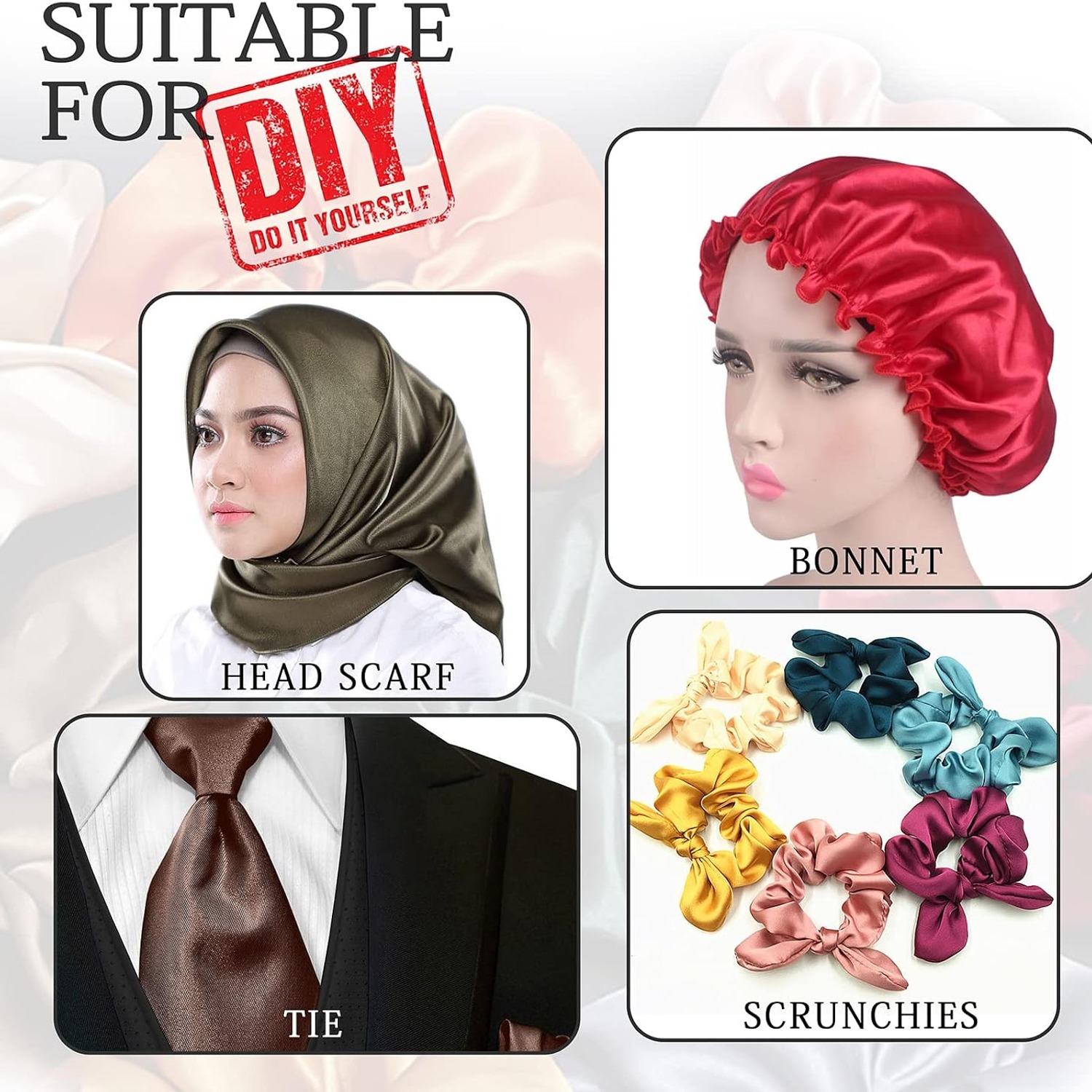
Small accessories offer a way to work with satin on a manageable scale. Scrunchies, bonnets, head scarves and ties are all suggested uses for this fabric. Each has a different layout, so choose a pattern before deciding how much material to reserve.
If you are using satin scrunchie fabric alongside a larger garment project, cut the large pieces first. Smaller pieces may fit around them, but do not count on those spaces until you have checked the full layout.
Bonnets and scarves also need more planning than their simple shapes might suggest. Allow for edge finishes and any separate parts in the pattern. Elastic, ties and other notions are not listed as included with this fabric.
Keep useful scraps together as you work. They can serve as stitch tests before becoming small decorative details. This is especially handy when you want accessories to match a main piece.
Measure table decorations before ordering
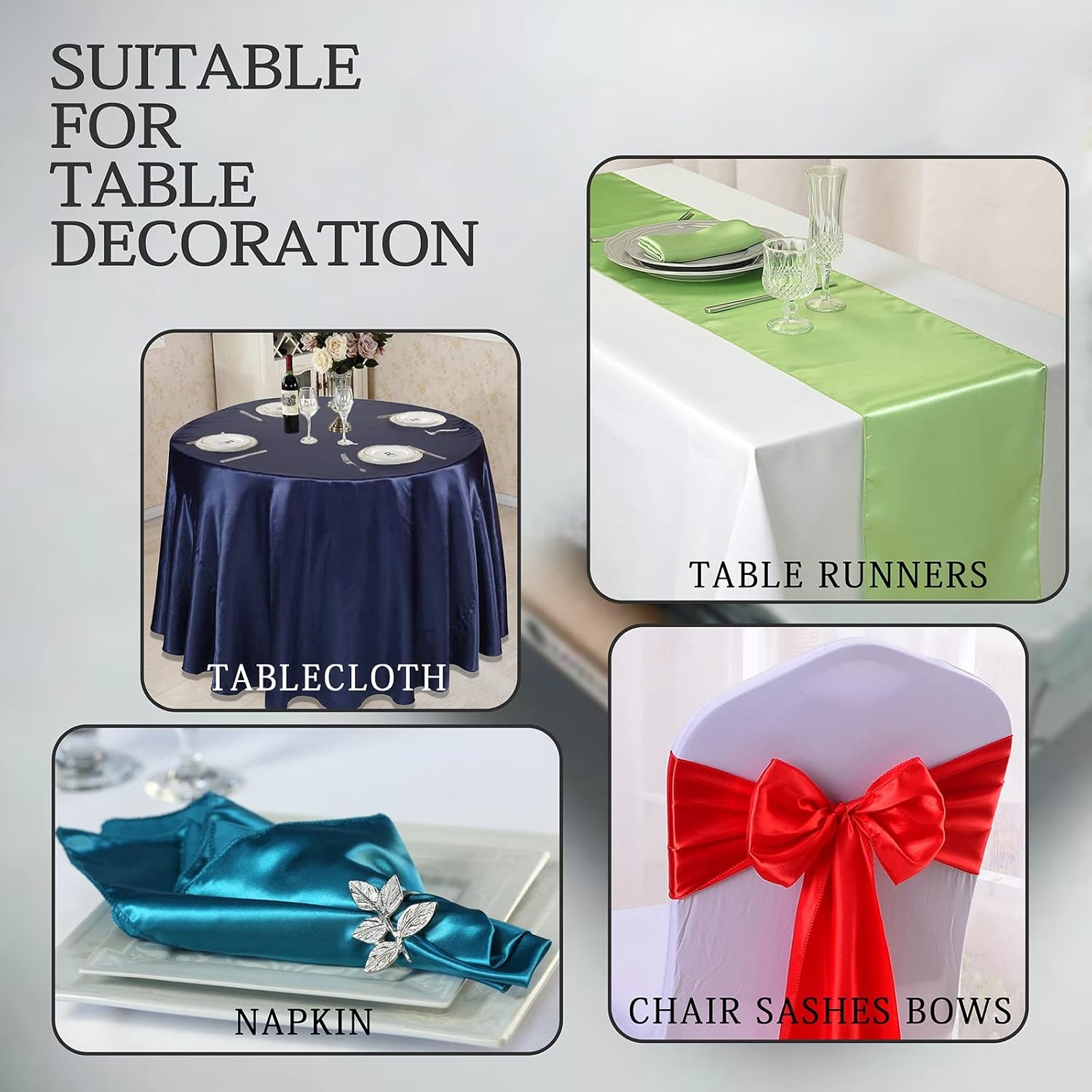
This satin is also suggested for table runners, napkins, tablecloths and chair sashes. For these projects, measurements matter more than a general yardage guess.
Measure the table itself, then decide how much fabric should hang beyond its edges. A runner that stops near the table edge needs a different cut from one with a long drop. Add the allowance for your chosen hem before calculating the final size.
When choosing satin table runner fabric, consider how the pieces will sit together across the room. Using a consistent cutting direction may help keep the appearance more uniform as light falls across the surface.
Chair sashes need a separate check. Measure around the chair back, then allow for the knot or bow you want to tie. Test one before cutting a full set. A trial is a useful way to judge proportions and avoid repeating a size that does not work.
Think about colour in the actual setting
The colour is listed as Ivory White. The maker also notes that the glossy surface can look different under changing light.
That matters when matching wedding decoration fabric to other items. A screen image cannot settle whether this ivory will match existing napkins, lace or flowers. If a close match is essential, compare the physical materials before making permanent changes.
Look at the fabric in the setting where it will be used, where possible. Daylight and indoor lighting may show the sheen differently. View it laid flat and in a fold, since both positions may appear in your finished project.
Solid colour makes coordination simpler in some ways, but it does not remove shade differences. Give yourself time to make that decision before cutting.
Make the first cut a careful one
If you have not sewn satin before, begin with an offcut rather than a key garment panel. A short test seam lets you check how your tools and chosen stitch behave on this particular fabric.
Use a clear work area and support the material while laying out the pattern. Check that the fabric is lying evenly before marking and cutting. Take your time with pieces that need to match.
Follow the instructions for your sewing equipment and pattern rather than guessing at settings. Needle choice, thread and stitch settings should be tested together on scrap material.
Mark the visible face and keep track of direction when appearance matters. It is much easier to do this at the cutting stage than to discover a mismatch after several seams have been sewn.
Use offcuts for handmade details
A large project often leaves pieces that are too small for another garment panel but still useful. The suggested craft uses include satin ribbon roses and handmade satin bows.
Think about these details before throwing scraps away. A bow might finish a gift, while a fabric flower could repeat the colour of a costume or table setting. You can plan coordinated pieces without needing every item to have the same shape.
For gifting, choose a project that suits both your skills and the recipient. A neat, simple accessory may be more useful than a complex piece made in a rush. If giving the uncut fabric itself, include the known fibre and care information so the recipient can plan their own project.
Keep care simple and test first
The maker's details allows hand or machine washing and says not to bleach. It does not provide a wash temperature, tumble-drying setting or pressing temperature.
Start by checking any care directions that arrive with the fabric. Before washing the whole cut, test a small offcut using the method you expect to use for the finished item. Shrinkage data is not given by the maker, so do not assume the dimensions will stay unchanged.
Pressing also deserves a test. Avoid trying an unconfirmed heat setting on a visible part of a finished garment. Keep a scrap available for checking your method first.
If the finished piece includes elastic, trim or a lining, its care needs may differ from those of the satin alone. Choose a care method suitable for the whole item.
The short version
This 3-yard polyester satin selection offers a solid ivory white colour and a smooth, glossy finish for sewing and decoration projects. Its listed 60-inch width gives you a clear starting point for checking patterns and planning cuts.
Choose it with the project in mind. Confirm your yardage, allow for finished edges, and do not assume unspecified stretch or opacity. Check packaging if a continuous piece matters, and review delivery details before committing to an event date.
A little planning leaves more room for the enjoyable part: turning the fabric into something you can use, wear or give.