
The complete guide
A Buyer's Guide to Light Grey Plain Cotton Fabric
Choosing fabric online can feel simple until you reach the cutting table. A colour may be just right, but the width, care needs or amount of fabric can change whether your pattern works. A little checking before you buy can save an unfinished project later.
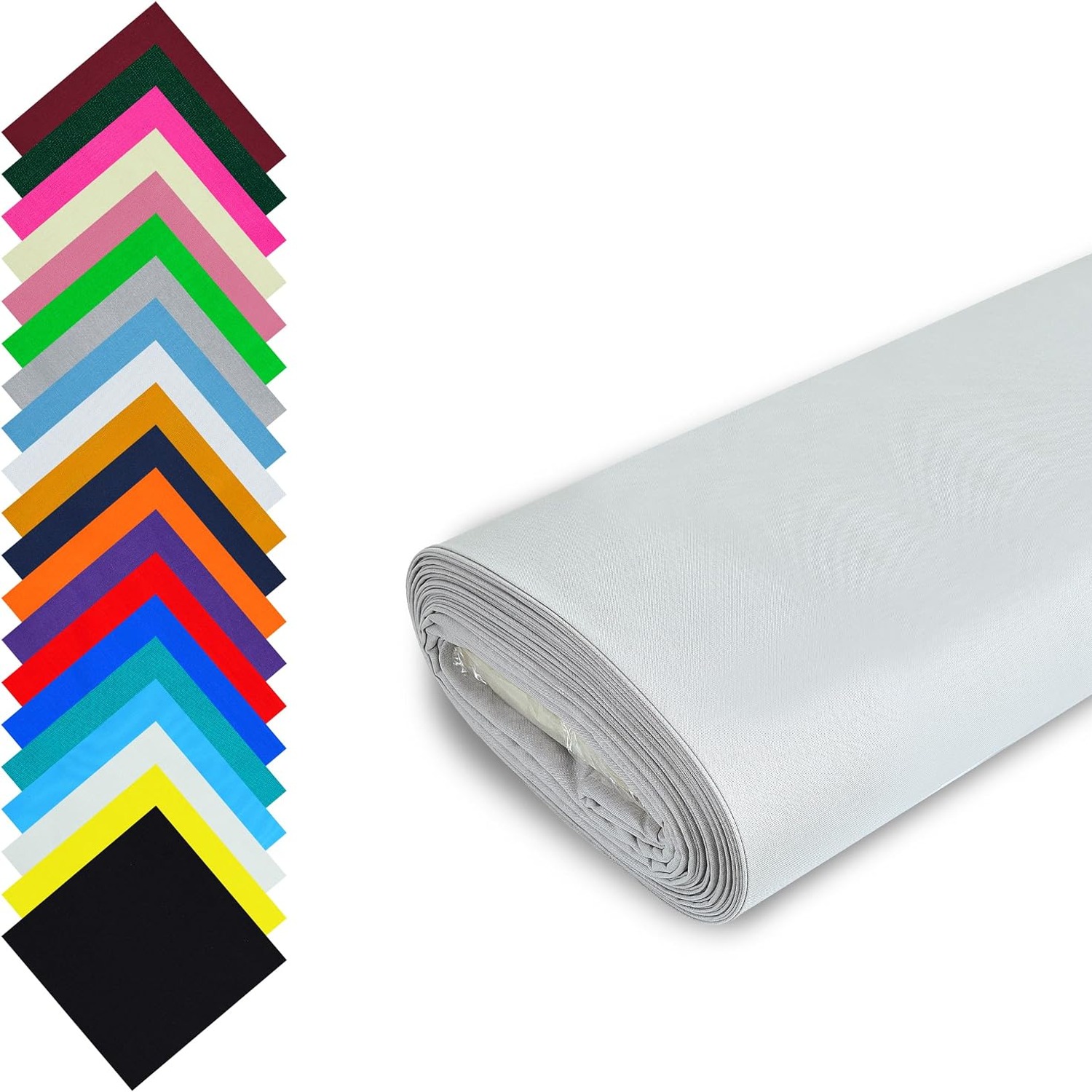
This light grey cotton fabric offers a solid colour and a plain weave for sewing, quilting and home projects. It is listed as 100% cotton and named as a one-metre option.
Here is how to decide whether it belongs in your next project.
Start with the project, not just the colour
Light Grey might be the colour that catches your eye, but your pattern should lead the choice. Look at its suggested fabric types and required amount first. A pattern designed for woven cotton is a more useful starting point than one that depends on stretch.
Think about how the finished piece will be used, too. A decorative item may have different care needs from a pillowcase used every night. A tote made for light belongings has different demands from a bag intended for heavy shopping.
The maker lists dressmaking, quilting, curtain linings, pillowcases and tote bags among the uses. These are possible project directions, not a promise that every pattern in each category will work. Match the fabric to the specific design rather than the broad project name.
What plain cotton fabric brings to a project
This product is described as plain weave cotton fabric. In a plain weave, threads cross over and under each other in a basic woven structure. That tells you something about how the fabric is made, but not everything about how it feels or falls.
The maker does not give a verified stretch figure or a detailed drape description. If you want a flowing garment, a crisp shape or a close fit, those missing details matter. Ask for more information before making a choice that depends on them.
A solid pattern has a practical benefit during planning. There is no printed flower, stripe or other motif to place across seams. You still need to follow your pattern's grainline and cutting instructions, but you do not have a printed repeat to arrange.
Understand the size notes before buying
The name identifies this as one metre cotton fabric, and the product details list one piece.
One part describes a width of 147.5 cm. Other details give 152.4 cm as an item length and list dimensions of 152.4 by 152.4 cm.
Before ordering, ask for the actual supplied length and usable width. Explain if your pattern needs a minimum width or an unbroken length. If you plan to buy several units, also check whether they arrive as separate pieces or one continuous cut.
Do not build a tight cutting layout around an uncertain measurement. A small difference can decide whether a large pattern piece fits across the fabric.
Read the weight information correctly
The listed item weight is 150 g. The maker's descriptive text also calls the fabric 150 gsm.
Grams describe weight. GSM means grams per square metre and describes fabric weight relative to its area.
This is especially useful when a design needs a particular amount of body or when you are comparing several fabrics online.
Avoid assuming that the word cotton tells you how thick the fabric will be. Fibre content and fabric weight answer different questions.
Choosing light grey dressmaking fabric
For clothing, begin with the pattern envelope or instructions. Check the recommended fabrics, then compare the amount required for your size and view. Sleeves, wider skirts and added details can change fabric needs.
This light grey dressmaking fabric may be worth considering where a suitable woven cotton is called for. Stretch is not specified, so it should not be treated as a substitute for jersey or another fabric chosen for its stretch.
Care is just as important as fit. Would you be happy to dry clean the finished garment? If you expect to wash it frequently at home, resolve that mismatch before buying.
The maker's description does not establish opacity. If coverage matters to your design, ask about it and decide whether your pattern needs a lining.
Planning patchwork and quilting
A solid colour can give the eye a resting place beside patterned pieces.
Before combining fabrics, compare their care instructions. This product is listed as dry clean only. That may not suit a quilt intended for regular machine washing, even if the other fabrics and batting can be washed.
Think through the finished quilt as a whole. The fabric, thread, batting and any trims need a care plan that works together. Do not assume all cotton quilting fabric has the same cleaning requirements.
For a small project, sketch the pieces and their measurements before ordering. Include seam allowances and leave room for any preparation recommended by your cleaner.
Tote bags and smaller craft projects
The maker includes bag making among the suggested uses. If you are considering cotton fabric for tote bags, choose a pattern that explains the required fabric type and any supporting layers.
The maker does not give a tested carrying capacity. Strength in a finished bag also depends on the design, seam construction and handle attachment. Follow the pattern rather than relying on a general durability claim.
Smaller projects can be a useful way to work with a limited cut. Plan the main pieces first, then see whether any remaining areas can serve another purpose. Avoid cutting small extras before you know the larger pieces fit.
For cotton craft fabric used with glue, interfacing or other materials, test the combination on an offcut. Follow the instructions for those extra supplies as well as the fabric's care guidance.
Pillowcases and curtain linings need a care check
Pillowcases and curtain linings appear in the maker's suggested uses. That does not mean the fabric has been tested for every household need.
When choosing cotton pillowcase fabric, think about cleaning frequency. Dry-clean-only care may be less convenient than the routine you want for bedding. Settle that point before spending time on cutting and seams.
There is no stated blackout, thermal or flame-retardant performance here. If your project depends on one of those features, choose based on a stated specification rather than the colour or fibre alone.
Home sewing works best when the finished item's daily job guides the material choice.
Check the colour and any special claims
Light Grey is the listed shade, but online images are not an exact colour standard. Lighting, photography and your screen can affect what you see.
If the fabric must match existing upholstery, another fabric or a garment, ask whether a sample is available. A sample service is not confirmed by the maker. Without one, allow for some uncertainty rather than planning an exact match.
The maker's marketing also uses the word organic. The maker gives no supporting certification here, so this page does not present the fabric as certified organic.
Likewise, there are no verified shrinkage or colourfastness figures in the maker's description. If either is essential to your project, ask for evidence before buying.
Prepare, sew and store with care
The stated instruction is dry clean only. Follow that rather than the general assumption that cotton can go into a washing machine. Ask a dry cleaner whether any preparation is needed before you cut the fabric.
When you are ready to sew, keep a small offcut for tests. Try your planned seam and check the result before moving to the main pieces. Machine settings, needle choice and pressing temperature are not given by the maker for this product.
For pressing, follow any care label that arrives with the fabric and test cautiously on the offcut. There is no need to risk a full piece to find out whether a setting is suitable.
Store the fabric clean and dry, away from direct sunlight. Keep the order details until you have checked the piece and are ready to begin.
The short version
This is a solid light grey, plain weave fabric listed as 100% cotton. It offers a possible starting point for clothing, patchwork, bags and other sewing projects whose requirements match the fabric.
Check whether multiple units are continuous if that matters to your layout. Most importantly, make sure dry-clean-only care suits what you plan to make.
Once those questions are settled, you can choose the fabric for the project with a clearer idea of what to expect.