
The complete guide
Choosing Grey Headliner Fabric for an Interior Refresh
When the roof lining starts to let the cabin down
A loose or worn roof lining can make a vehicle interior look tired, even when the seats and dashboard are still in good shape. You may notice fabric hanging near the rear window, a dirty patch above the driver, or old foam breaking away behind the covering.
Replacing the covering can be part of the repair. It is not, however, the same as replacing the whole headliner assembly. Before buying material, check what has failed. The fabric, old backing, adhesive and supporting board all play a part in the finished result.
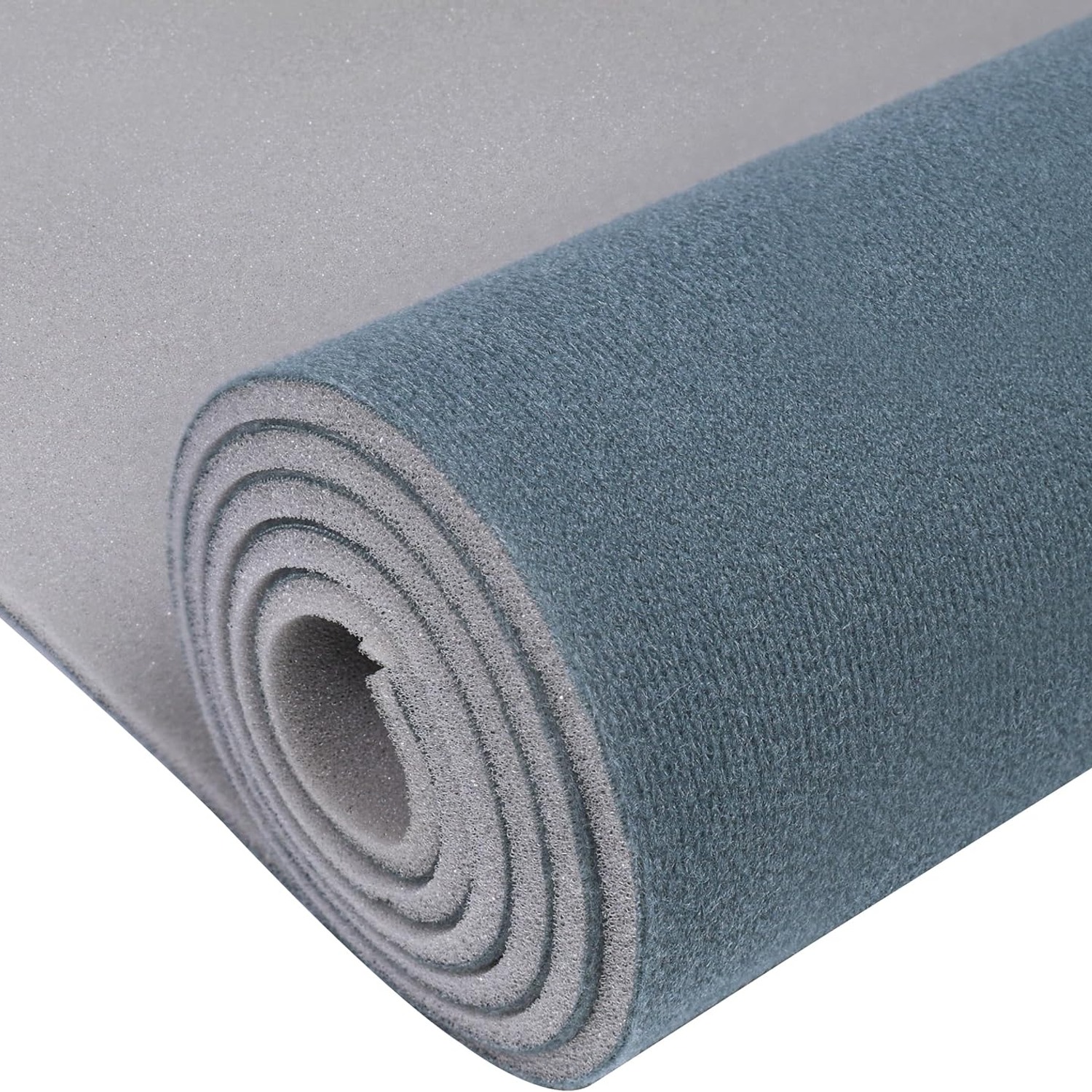
This option is grey headliner fabric measuring 1.5 m x 2 m. It has a soft polyester face and approximately 3 mm foam backing. Those details make it worth considering for a measured relining project, but they do not establish a fit for any particular vehicle.
What you are buying
Think of this as project material, rather than a ready-shaped part. It needs to be matched to your panel, cut to your layout and fitted using a suitable method. A vehicle-specific pattern or complete fitting kit is not described in the maker's description.
The polyester face provides the visible surface. Behind it, the foam adds a padded layer. That construction matters around edges and fittings, where even a small change in thickness can affect how trim pieces sit.
The listed package dimensions are 53.4 x 53.2 x 9 cm. These describe the packed item, not the usable width and length. For planning your work, use the selected fabric size of 1.5 m x 2 m.
The listed item weight is 740 g. It is not a fabric weight per square metre, so avoid using it to compare fabric density with another product.
Measure the panel, not the vehicle name
A car, ute or pickup label does not tell you how much roof lining you need. Cab length, roof shape and the way the fabric wraps around the board can change the layout. A sunroof can add further edges that need careful planning.
Measure the panel at its longest and widest points. Follow the surface where it curves instead of measuring only the straight distance between two points. Then allow for the material that will fold around the edges.
Do not plan a cut that uses every last millimetre. Some spare material gives you room to position the fabric and tidy the edges after fitting. The right allowance depends on the panel and installation method.
For automotive headliner fabric replacement, a quick paper sketch can help. Note the panel measurements, the direction of the fabric and the location of openings.
Check the board before covering it
New car headliner material cannot correct every problem underneath it. If the supporting board is cracked, badly distorted or damp, covering it may hide the issue without solving it.
Loose foam and failing old adhesive also need attention. The fixing surface must meet the requirements of the adhesive you choose. Follow the vehicle's repair guidance and the adhesive maker's preparation instructions rather than treating all panels alike.
If the lining has a damp smell, find the cause before fitting new fabric. A leak or trapped moisture needs its own repair. Fresh material should not be used to cover an unresolved water problem.
This is a useful point to decide whether the job suits your skills. Removing a large board without damaging it can be harder than applying the new covering. A vehicle trimmer can assess the panel if you are unsure.
Decide whether grey suits the whole interior
Grey roof lining fabric can change the look of a cabin, especially if the original lining is pale. Consider the surrounding pillars, grab handles, sun visors and console before making that change.
You do not have to recover every nearby part, but it helps to think about how the colours will sit together. A grey roof with lighter fittings creates a different look from an interior where the trim is closely matched.
Product photographs are a guide rather than a precise colour reference. Screen settings and lighting can change the appearance. Inspect the actual material before cutting it, particularly if you are matching an existing grey surface.
The same care applies to texture. The maker describes a soft polyester face, but the maker does not provide a detailed texture grade. Judge the material in person before committing it to a highly visible area.
Plan the fixing method before you start
Foam backed roof lining needs a fixing method that suits its backing and the panel underneath. The maker does not confirm that adhesive is included or that the material has a self-adhesive layer.
When choosing adhesive, check compatibility with polyester, foam and the supporting surface. Also check its intended conditions of use. The fabric record does not supply a heat rating, so do not assume a particular temperature performance for the finished assembly.
Read the adhesive instructions before opening the container. Working time, ventilation, application method and curing requirements can affect how you organise the job.
A trial on an offcut is a sensible step. It gives you a chance to check for unwanted surface changes and to practise handling the layers. Avoid treating a successful small test as proof of a certified heat or safety rating.
Allow time for careful handling
The maker says the fabric is usually folded for shipping. Unpack it onto a clean surface and lay it flat before assessing the finish. Keep sharp tools, adhesive containers and dirty trim parts away from the visible face.
Do not rush to remove a fold with an iron or steamer. Safe heat-treatment settings are not given by the maker by the maker. Start with flat storage and ask for product-specific guidance if marks remain.
Mark openings and edges with care. Cutting too early can turn a small planning error into a piece that no longer covers the panel.
During a DIY headliner repair, keep removed fittings organised and follow vehicle-specific instructions. Roof consoles, wiring and trim near airbags deserve particular care. If removal or refitting could affect a safety system, seek qualified help.
Other trim projects worth considering
The maker lists door panels and sun visors as possible applications. These smaller parts may use less material than a roof, but they still need their own measurements and fitting plan.
For door panel lining fabric, check how the padded material will sit beside handles, switches and edge trim. Added thickness can matter where parts clip together. Do not cover access points or interfere with the operation of fittings.
Sun visor upholstery fabric also needs careful planning around seams, pivots and any fitted mirror. A soft covering alone does not confirm that a visor can be recovered neatly or safely.
The maker describes boat, furniture and craft uses too. Treat these as suggested applications, not proof of specialist performance. Water resistance, seating abrasion ratings and marine certifications are not specified. Ask for more information when those properties are important.
Check the order format and delivery details
If your project needs more than one piece, confirm how the material will arrive. The maker describes supplying matching quantities as a continuous length in some cases. That may suit a larger layout, but it matters if you expect separate pieces.
Work out your cutting plan before placing a multi-quantity order. Consider whether you need one uninterrupted panel or several smaller sections. Confirming the format is easier than rearranging a project after delivery.
Check the current estimate before booking an installer or taking the vehicle apart.
Return conditions also need checking in advance. Cutting, cleaning or applying adhesive may affect your options under our policy. Inspect the material while it is still unused and keep the order details handy.
Care for the finished lining gently
Start with light dust removal. A soft brush or a vacuum with a soft brush attachment can help avoid rough handling of the surface. Use care around edges, joins and fittings.
For marks, test any cleaner on a spare offcut first. Avoid soaking the fabric and foam, and follow the adhesive maker's guidance for the installed lining. More moisture is not always a better way to clean a padded surface.
Keep an offcut if you have one. It can be useful for testing future cleaning products without risking a visible area. Do not assume that cleaning advice for plain polyester clothing also applies to a bonded headliner.
The short version
This piece offers a soft polyester face, approximately 3 mm foam backing and a 1.5 m x 2 m format for interior relining. It is a material choice, not a guarantee of vehicle fit or a complete repair kit.
Measure carefully, inspect the supporting panel and confirm your adhesive requirements first. If the size and construction suit the job, you can plan the work with fewer unknowns.